Introduction
Selecting the appropriate hearing aids would greatly improve the quality of life, communication, and restore confidence in day-to-day interaction. Nevertheless, this is not always the case because there are numerous types of hearing aid brands, features, and technologies on the market today, making it confusing to choose. This article provides a general overview of how to choose the right hearing aids.
Understand the Primary Hearing Aids
There are a variety of different styles of hearing aids, which have different benefits. They can help you reduce your options:
Behind-the-Ear (BTE)
The BTE devices can be placed behind the ear, and they are connected to an ear dome or an ear mould in the ear canal. They can be used in mild to severe hearing impairment and provide great power, life span, and easy handling.
Receiver-in-Canal (RIC/RIE)
The newer trend nowadays, RIC hearing aids, has the speaker inside the ear canal, and this produces a more natural sound. They are subtle, compact, and can suit cases of mild to severe hearing loss.
In-the-Ear (ITE) and In-the-Canal (ITC)
These are specially designed devices that are entirely fit in the ear, hence being more discreet. They can be used by people who want to have a compromise between cosmetics and performance.
Completely-in-Canal (CIC) and Invisible-in-Canal (IIC)
These are the least bulky, the tiniest hearing aids, which are inserted deep in the ear canal. They are most appropriate in the case of mild and moderate hearing loss and for users who desire almost invisible devices.
Factors to Look for When Choosing the Right Hearing Aids
Professional Hearing Assessment
The initial step and the most significant one is to pass through a thorough hearing analysis. A hearing care specialist or audiologist can determine the level, nature, and arrangement of your hearing loss. This fact is essential since various styles and technologies are more effective with various hearing profiles. Hearing aids should not be bought without a trial because, in most cases, it result in the wrong gadgets and failure.
Consider the Features and Technology
In the contemporary world, hearing aids are equipped with a series of sophisticated features that aim at enhancing comfort and clarity.
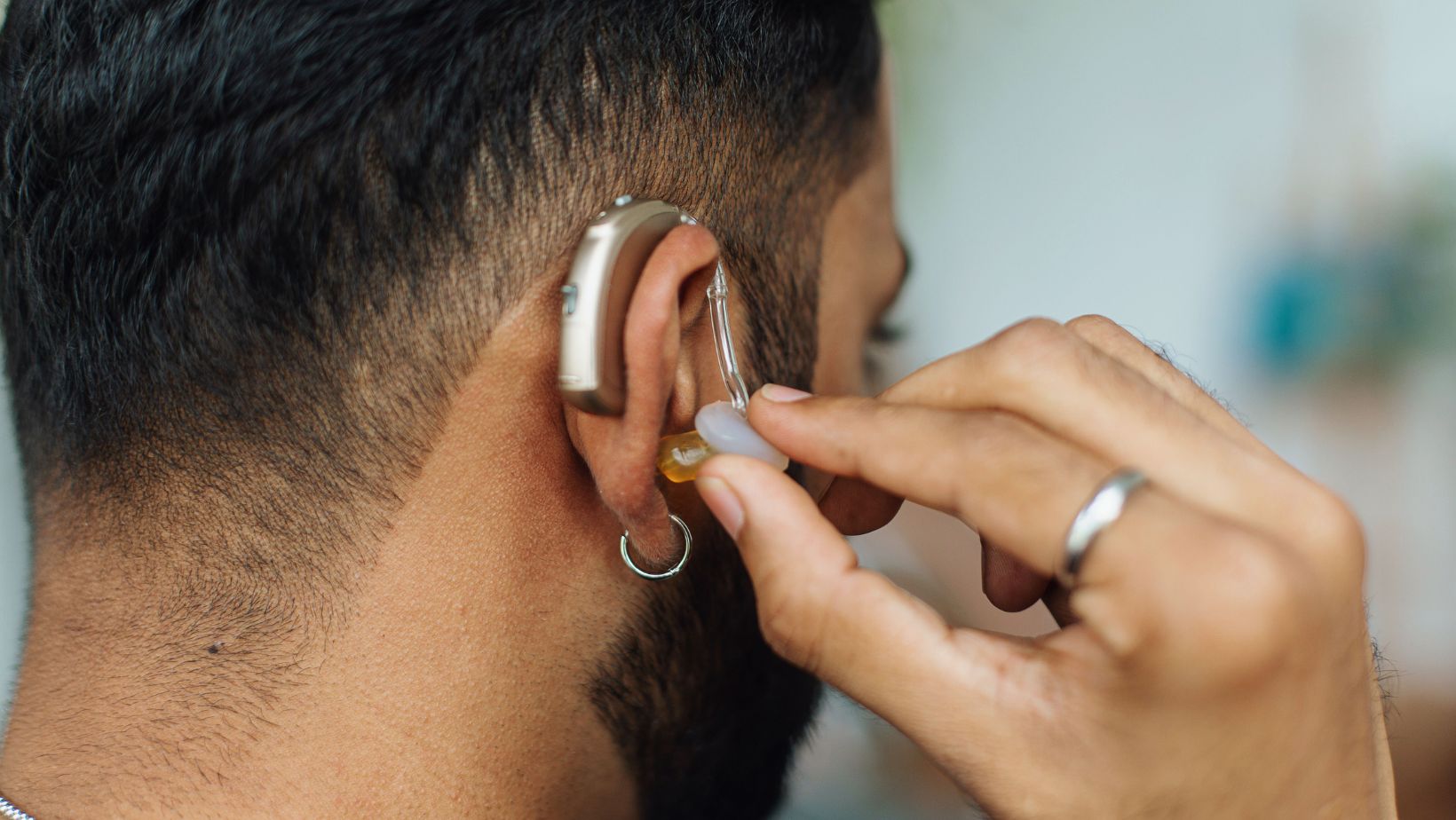
Consider the following:
- Noise Directional Microphones & Noise Reduction: They will assist you in listening in a noisy setting by giving attention to speech and minimising the background noise.
- Bluetooth Connectivity: Applicable in the transmission of phone calls, music or television audio directly to your hearing aids.
- Rechargeable Batteries: An easy and environmentally friendly solution that does not require one to change batteries that are disposed of.
- Feedback Cancellation: Reduces the whistling effect, particularly for individuals with a higher amplification requirement.
Comfort and Ease of Use
Another significant aspect which is to provides long-term satisfaction is comfort. The fit should be good, this should stop irritation, enhance sound quality and make it used regularly. Consider your way of life and agility also. Smaller in-ear devices might be harder to use when dealing with users with less hand mobility or vision issues, whereas physically active people can enjoy RIC that is lightweight and secure.
Examine the Budget and Long-term Value
The prices of hearing aids are based on the brand, level of technology and features. Although the higher-end models have better sound processing and connectivity, most of the mid-range models offer great performance at a lower price.
Compare on:
- Warranty coverage
- Aftercare services
- Replacement parts
- Battery or charging costs
- Follow-up consultations and corrections
It is important to select an audiologic company with clear pricing and continued services.
Conclusion
Making the correct selection of hearing aids is a subjective task that entails knowing your hearing loss, the needs you have in your lifestyle, the available technology and also a trusted service provider that you can rely on in the long run. The appropriate hearing aid will help your communication and confidence improve greatly, as well as your quality of life, with the right hearing aid and proper evaluation and advice.
About the Author