Have you ever wondered why some people seem full of energy, maintain a healthy weight, and rarely get sick? Do you wish there was a simple way to strengthen your immune system, support your brain, and improve your overall well-being? The answer often lies in the foods we eat. Nutrition forms the foundation of good health, influencing energy levels, immunity, mental clarity, and longevity. Among the many dietary approaches gaining attention, superfoods have emerged as a powerful tool for enhancing overall well-being. These nutrient-rich foods are celebrated not just for their high vitamin and mineral content, but also for their potential to reduce the risk of chronic diseases and improve bodily functions.
Understanding Nutrition
Nutrition is the science of how the body utilizes food to maintain health, grow, and repair itself. Essential nutrients, including carbohydrates, proteins, fats, vitamins, minerals, and water, play unique roles in bodily functions. Carbohydrates provide energy for daily activities and brain function. Proteins are the building blocks of muscles, enzymes, and hormones, while healthy fats support cellular function and hormone production. Vitamins and minerals regulate metabolism, support immunity, and maintain the integrity of bones, skin, and organs. Water, often overlooked, is crucial for hydration, digestion, and toxin elimination.
A well-balanced diet, combining these macronutrients and micronutrients, is key to optimal health. However, modern diets often fall short, lacking sufficient fruits, vegetables, whole grains, and healthy fats. This is where superfoods come into play.
What Are Superfoods?
Superfoods are foods that are exceptionally dense in nutrients relative to their calorie content. They are typically rich in antioxidants, phytochemicals, vitamins, and minerals that help protect the body against oxidative stress, inflammation, and chronic diseases such as heart disease, diabetes, and certain cancers. While the term “superfood” is often used as a marketing tool, there is growing scientific evidence supporting the health benefits of many of these foods.
Popular Superfoods and Their Benefits
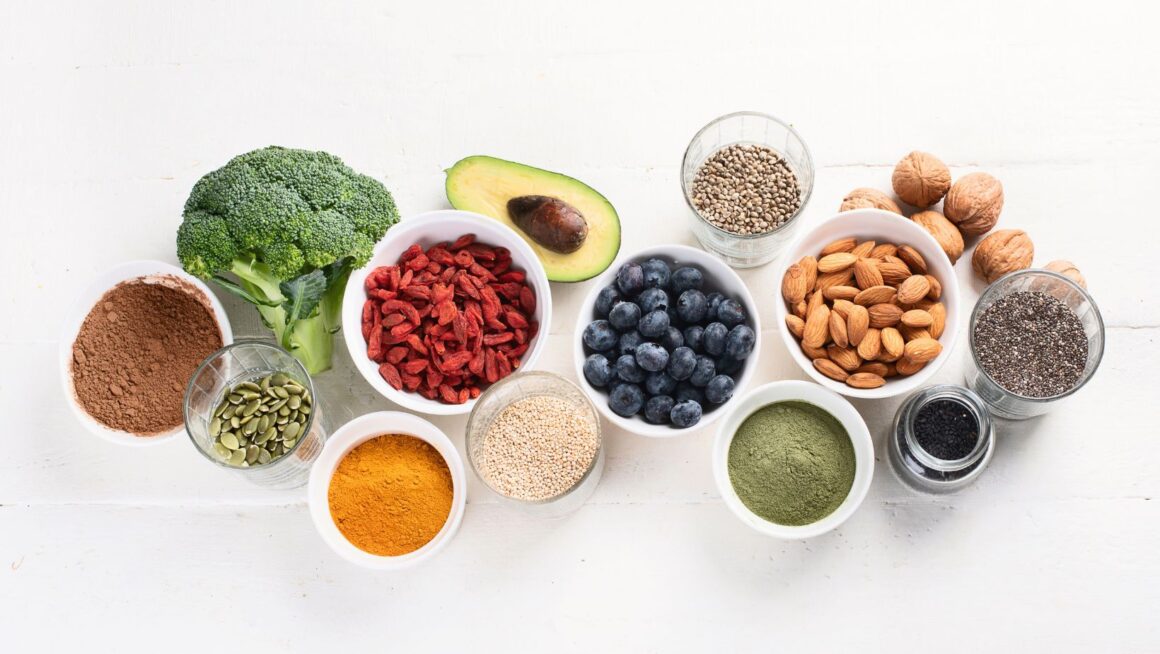
- Berries: Blueberries, strawberries, and raspberries are packed with antioxidants like anthocyanins, which combat free radicals and reduce inflammation. Studies suggest that regular consumption of berries can improve heart health, cognitive function, and even help regulate blood sugar levels.
- Leafy Greens: Spinach, kale, and Swiss chard are nutrient powerhouses, offering vitamins A, C, K, and folate, as well as minerals such as calcium and iron. Leafy greens support bone health, improve vision, and aid in detoxification processes.
- Nuts and Seeds: Almonds, walnuts, chia seeds, and flaxseeds provide healthy fats, fiber, and protein. They are associated with lower cholesterol levels, better heart health, and improved gut health. Omega-3 fatty acids in walnuts and flaxseeds are particularly beneficial for reducing inflammation and supporting brain function. For those looking for premium nutrient-rich foods, specialty sources like The Caviar Club offer a luxurious way to enjoy high-quality superfoods.
- Fatty Fish: Salmon, mackerel, and sardines are rich in omega-3 fatty acids, which are essential for cardiovascular health and cognitive function. Regular fish consumption has been linked to lower risks of heart disease, depression, and age-related cognitive decline.
- Whole Grains: Quinoa, brown rice, and oats contain complex carbohydrates, fiber, and essential minerals. Whole grains promote digestive health, stabilize blood sugar levels, and may reduce the risk of heart disease and obesity.
- Legumes: Lentils, chickpeas, and black beans are excellent plant-based protein sources, providing fiber, iron, and antioxidants. Legumes support satiety, blood sugar regulation, and gut health.
- Cruciferous Vegetables: Broccoli, cauliflower, and Brussels sprouts contain glucosinolates, compounds that support detoxification and may reduce cancer risk. They also provide fiber and essential vitamins for overall health.
- Fermented Foods: Yogurt, kefir, kimchi, and sauerkraut are rich in probiotics, which maintain gut microbiota balance. A healthy gut microbiome is linked to better digestion, immune function, and even improved mood.
Health Benefits of Superfoods
The regular consumption of superfoods can have profound effects on health:
- Antioxidant Protection: Many superfoods, especially berries and leafy greens, are loaded with antioxidants that neutralize free radicals, reducing oxidative stress that contributes to aging and chronic diseases.
- Anti-inflammatory Effects: Chronic inflammation is a root cause of several health issues, including heart disease, arthritis, and diabetes. Foods like fatty fish, nuts, and turmeric contain compounds that can help mitigate inflammation.
- Heart Health: Superfoods such as salmon, nuts, and oats help regulate cholesterol levels, reduce blood pressure, and support overall cardiovascular function.
- Brain Health: Omega-3 fatty acids, antioxidants, and certain vitamins found in superfoods contribute to cognitive function, memory retention, and may reduce the risk of neurodegenerative conditions.
- Weight Management: High-fiber superfoods, like legumes and whole grains, promote satiety and stabilize blood sugar, making them valuable tools for weight control.
- Immune Support: Vitamin C-rich fruits, leafy greens, and fermented foods strengthen the immune system, helping the body fend off infections and recover faster from illness.
Integrating Superfoods into Daily Life
While superfoods are beneficial, balance remains key. Consuming them as part of a varied diet ensures the body receives all necessary nutrients. Here are practical tips for incorporating superfoods:
- Start your day with a smoothie made from berries, spinach, and chia seeds.
- Add nuts or seeds to salads or yogurt for extra protein and healthy fats.
- Include fatty fish in meals at least twice a week.
- Substitute refined grains with whole grains like quinoa or brown rice.
- Experiment with fermented foods such as kimchi or kefir to support gut health.
It’s also important to remember that no single superfood can compensate for an unhealthy lifestyle. Adequate sleep, regular exercise, hydration, and stress management complement the benefits of nutrient-rich foods.
Conclusion
Nutrition is a cornerstone of health, and superfoods provide a convenient and effective way to boost nutrient intake. By incorporating a variety of these foods into daily meals, individuals can harness their antioxidant, anti-inflammatory, and disease-preventing properties. Beyond the hype, the true power of superfoods lies in their ability to support long-term health, improve energy levels, and enhance overall well-being. A balanced, mindful approach to nutrition, enriched with superfoods, can transform not just physical health but also quality of life.
Embracing the science of nutrition and the wisdom of nutrient-dense foods offers a path toward vibrant health and longevity—a path worth taking, one superfood at a time.
About the Author