If you need a tooth removed and plan to replace it with an implant, careful planning plays an important role in achieving a smooth recovery and long-term success. Understanding the timeline and what happens after extraction helps set realistic expectations and supports better outcomes. Teeth Implants by Briggs Family Dental in New Market involve a structured approach that allows adequate healing before implant placement.
After an extraction, the surrounding bone and gum tissue require time to heal before an implant can be placed. The length of this healing period varies based on overall health and the condition of the extraction site. Being aware of these stages reduces the risk of complications and helps ensure proper integration of the implant.
Taking the time to understand the process in advance makes it easier to care for the surgical site during healing and supports a more predictable and successful implant outcome.
Understanding Tooth Extraction and Dental Implants
You need to understand the process and purpose of tooth extraction and dental implants to plan effectively. This involves knowing what tooth extraction entails, how dental implants work, and how implants replace missing teeth.
What Is Tooth Extraction
Tooth extraction is the removal of a tooth from your mouth. It may be necessary due to severe decay, infection, crowding, or damage. The procedure is done by a dentist or oral surgeon using local anesthesia to minimize pain.
After extraction, the area will need time to heal. This healing period can take several weeks. Proper care during this time helps prevent infection and supports healthy gum and bone recovery. Your dentist will give you instructions on managing pain and keeping the site clean.
Overview of Dental Implants
Dental implants are artificial tooth roots made of titanium. They are surgically placed into your jawbone to act as a strong base for replacement teeth. Implants fuse with your bone over time in a process called osseointegration, which provides stability similar to natural roots.
Once healed, a crown, bridge, or denture attaches to the implant. This creates a permanent and natural-looking tooth replacement that functions like a real tooth. Implants help maintain jawbone health and prevent bone loss that happens when teeth are missing.
Tooth Loss and Implant-Supported Restoration
When you lose a tooth, the gap can affect your chewing and speaking. Bone loss can also occur because the jaw no longer receives stimulation from the tooth root. Implant-supported restorations replace missing teeth while preserving the bone.
The restoration process usually begins after your gum and bone heal from extraction. This timing can vary based on your health and jaw condition. A custom-made crown is then attached to the implant, restoring your smile and function with durable results.
Pre-Extraction Planning for Dental Implants
Before you have your tooth extracted with implants as the goal, several key factors need careful attention. Understanding your jaw’s condition, the timing of the implant, and choosing the right implant type are essential to ensure the best outcome.
Assessing Bone Health and Density
Your jawbone must be strong and dense enough to support a dental implant. A scan or X-ray will check this. If your bone is weak or too thin, you might need a bone graft before the implant can be placed.
Bone health affects how well and how quickly the implant will heal and integrate. Poor bone quality can lead to implant failure. Your dentist will measure bone height, width, and density to decide if your jaw can handle an implant right after extraction or if healing time is necessary first.
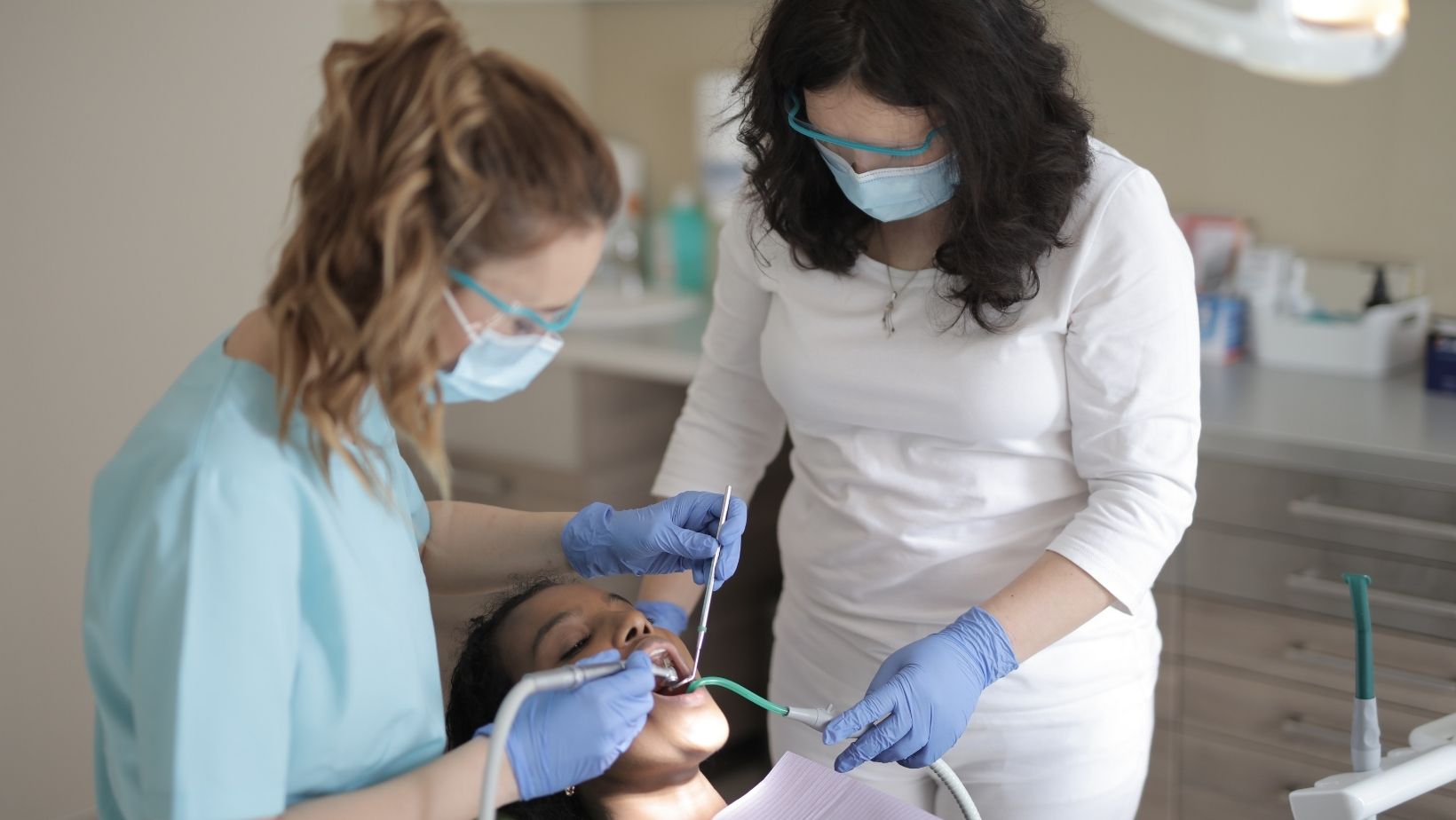
This step helps avoid problems that could delay treatment and affect the implant’s strength and lifespan.
Timing Considerations for Implant Placement
The timing to place an implant after extraction depends on your specific case. Some patients get an implant placed the same day as the extraction. This is called immediate implant placement.
Others need to wait several weeks or months. This delay allows the extraction site to heal and the bone to strengthen, especially if a graft is required.
Your healing speed, infection risk, and bone condition guide this timing. Waiting too little can raise risks, while waiting too long may lead to bone loss. Your dentist will create a timeline that balances fast results with safety and long-term success.
Choosing the Right Implant System
There are various implant brands and types available. Choosing the right system depends on factors like the shape and size of your jawbone, bite pressure, and the type of restoration needed.
Some implants are designed for softer bone or quicker healing. Others are better for areas with high chewing forces. Your dentist will also consider material quality, warranty, and past success rates.
You might be given options that differ in cost and appearance. Discuss these clearly to find the implant that fits your health needs, budget, and final smile goals.
Optimal Post-Extraction Healing for Successful Implants
Proper healing after tooth extraction supports the foundation needed for a strong and lasting dental implant. You must focus on preserving the bone and soft tissue, managing healing carefully, and preventing bone loss to improve your implant’s chances of success.
Socket Preservation Techniques
After the tooth is removed, the empty socket is vulnerable to bone loss. To avoid this, your dentist may use socket preservation methods. This often involves placing a bone graft material inside the socket. The graft helps keep the space stable and encourages new bone to grow.
Sometimes, a barrier membrane covers the graft to protect it and support healing. These materials help maintain the shape and volume of the jawbone until it’s ready for the implant. Socket preservation reduces the risk of complications later, like bone shrinkage that can make implants harder to place.
You may experience some soreness, but following your dentist’s aftercare instructions is crucial to ensure healing goes well.
Managing Gum and Soft Tissue Health
Healthy gums and soft tissue around the extraction site are essential for a durable implant. Your gums protect the bone and provide a seal around the implant once placed. Keeping the area clean is the first step.
Gentle brushing and rinsing with salt water or a dentist-recommended antiseptic can reduce infection risk. Avoid smoking and avoid irritating the site, as this slows healing and can cause gum recession.
If needed, your dentist might suggest grafting soft tissue to improve gum thickness. This boosts support for your implant and improves the final appearance, especially in smile areas.
Minimizing Bone Loss After Extraction
Bone loss starts quickly after tooth removal if the socket is left empty. This can affect how well the implant fits and how stable it is long-term.
To slow bone loss, your dentist may recommend early implant placement, ideally within weeks after extraction. Immediate implants may even be placed on the same day in some cases if your bone quality is good.
If immediate implantation isn’t possible, socket preservation or bone grafting can prepare the site. Your dentist will assess your bone condition regularly to decide the best timing.
Maintaining a healthy diet rich in calcium and avoiding habits like grinding your teeth also supports bone health during healing.
Long-Term Outcomes and Preventative Care
Successful implant treatment depends on careful ongoing care and monitoring. You need to keep your mouth clean, follow up with your dentist regularly, and make choices that support implant health to help your implant last as long as possible.
Maintaining Oral Hygiene Post-Implant
Keeping your implant clean is essential. Brush your teeth at least twice a day with a soft-bristled brush and use a low-abrasive toothpaste. Floss daily around the implant to remove food particles and plaque that can lead to infection.
Using special interdental brushes or water flossers can help clean hard-to-reach areas around the implant. Avoid harsh mouthwashes with alcohol, as they can irritate your gums.
Good oral hygiene lowers the risk of peri-implantitis, an inflammation that can cause implant failure. Stick to your hygiene routine even if your implant feels fine, as problems can develop quietly over time.
Follow-Up Visits and Monitoring
Regular dental visits let your dentist check the health of your implant and surrounding tissues. Your dentist will look for signs of inflammation, bone loss, or loose parts.
Initially, visits may be every few months. Once your implant is stable, yearly check-ups are usually enough. During these visits, X-rays might be taken to assess bone levels.
Report any discomfort or unusual movement of the implant promptly. Early detection of problems can help you avoid more serious complications down the road.
Lifestyle Factors Impacting Implant Success
Certain habits affect how well your implant lasts. Smoking is one of the biggest risks. It reduces blood flow to your gums, slowing healing and increasing infection chances. Quitting smoking before and after implant surgery improves success rates.
Eating a balanced diet rich in vitamins and minerals supports wound healing and bone health. Avoid chewing hard foods like ice or nuts on your implant to prevent damage.
Stress can also affect oral health. Managing stress and practicing good oral care routines help keep your implant stable for years.
About the Author