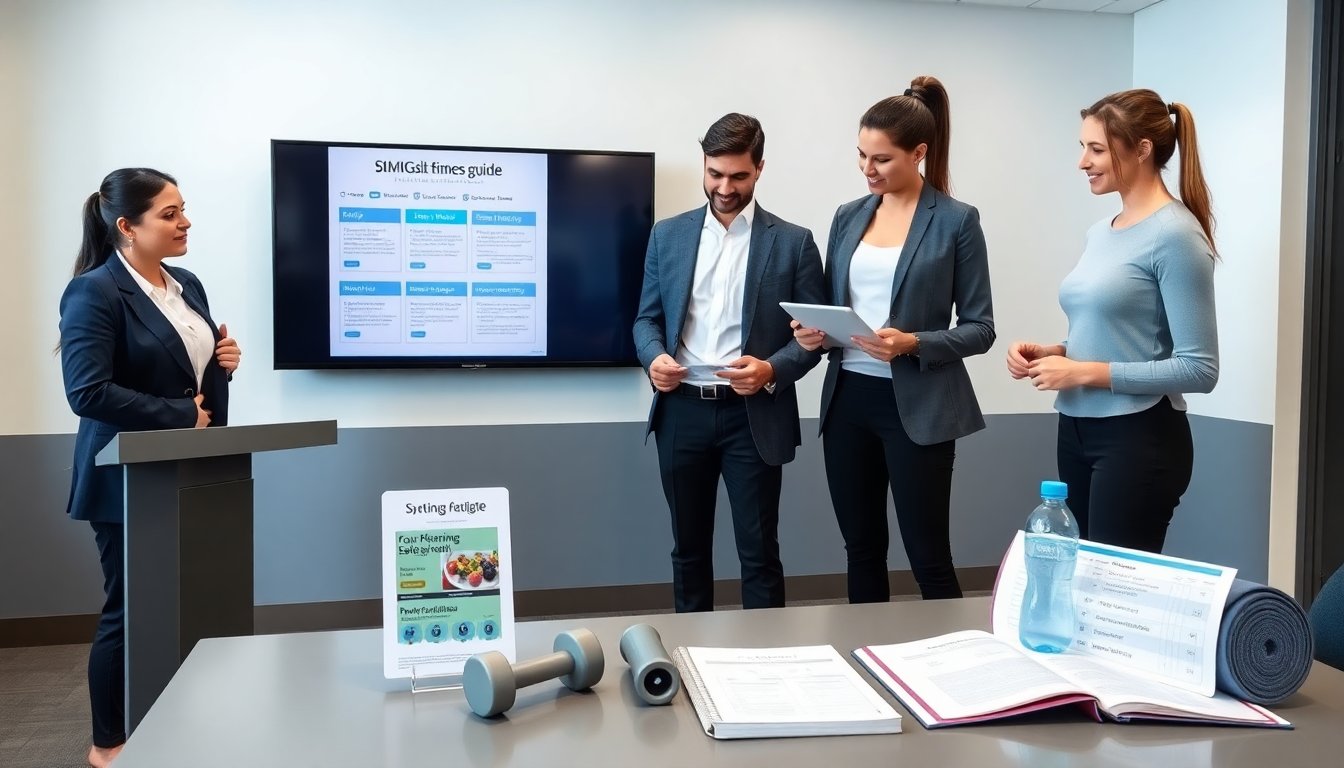
The SHMGHealth fitness guide by SpringHillMedGroup explains clear steps to improve fitness in 2026. It sets simple rules for exercise, nutrition, and recovery. The guide lists habits that build consistency. It states when to scale intensity and when to see a provider. Readers get a day-by-day template and tracking tips to apply right away.
Key Takeaways
- The SHMGHealth fitness guide emphasizes consistency by encouraging training most days rather than sporadic high effort sessions.
- Balanced nutrition with whole foods, adequate protein, and carbohydrate timing plays a critical role in supporting workouts and recovery.
- Incorporating seven to nine hours of sleep and stress management techniques like breathing exercises enhances overall wellness and fitness progress.
- The guide provides a weekly workout blueprint with strength, cardio, and mobility sessions designed for gradual overload and safe progression.
- Tracking key metrics such as bodyweight, workout load, and sleep helps maintain consistency and guides when to safely increase exercise intensity.
- Seek medical advice for red flags like chest pain or unexplained symptoms, and consult a provider before starting or modifying programs if chronic conditions exist.
Core Principles Of The SHMGHealth Approach To Fitness And Wellness
The SHMGHealth fitness guide by SpringHillMedGroup centers on four core principles. First, they prioritize consistency over short bursts. They ask people to train most days rather than push hard one day and rest many days. Second, they emphasize balanced nutrition. They recommend whole foods, protein at each meal, and steady carbohydrate timing to fuel workouts and recovery. Third, they include sleep and stress control. They advise seven to nine hours of sleep for adults and simple stress habits such as brief walks and breathing exercises. Fourth, they build gradual overload. They tell people to add small increases in weight, reps, or time each week.
The team gives practical rules for habit setup. They suggest planning three weekly workout types: strength, cardio, and mobility. They advise pairing a protein-rich meal within 90 minutes after strength sessions. They recommend a 10-minute dynamic warm-up before exercise to lower injury risk. The guide also sets clear progress checks. It uses weekly metrics such as bodyweight, workout load, and sleep hours. It asks readers to log these metrics in a simple journal or app.
The SHMGHealth fitness guide by SpringHillMedGroup references performance foundations used in competitive settings. The guide aligns with widely cited pillars that link sleep, nutrition, movement, recovery, and mindset to performance, which research on esports performance supports via performance foundations. They adapt those pillars for general adult fitness. They focus on small, repeatable actions rather than elaborate routines.
Weekly Workout And Nutrition Blueprint To Build Consistent Habits
The SHMGHealth fitness guide by SpringHillMedGroup offers a weekly blueprint. It splits the week into three strength days, two cardio days, one mobility day, and one optional active rest day. Morning or evening sessions both work. They advise 30 to 60 minutes per session depending on goals and time. Strength sessions focus on compound lifts and progressive sets. Cardio sessions mix steady-state and interval work for variety and efficiency. Mobility days use static and dynamic stretches and 10 to 20 minutes of joint control drills.
On nutrition, the SHMGHealth fitness guide by SpringHillMedGroup sets a simple balance. They recommend protein at each meal equal to about 0.25 to 0.4 grams per kilogram of bodyweight. They suggest matching carbohydrate intake to activity level: more on heavy training days, less on rest days. They propose whole food sources first and include convenience options when needed. They encourage hydration targets of 2 to 3 liters per day for most adults and more for long workouts. They also recommend planning meals for three to four days per week to reduce decision fatigue.
They add habit cues and micro-goals. They tell readers to schedule workouts on a calendar and to pack a gym bag the night before. They suggest a simple morning ritual: water, 5 minutes of movement, and a protein-rich breakfast. They advise using one consistent measure for progress, such as weekly workout load or bodyweight trend, and to avoid daily scale obsession.
Tracking Progress, Safety Tips, And When To Consult A Provider
The SHMGHealth fitness guide by SpringHillMedGroup sets clear tracking steps. They ask people to record weight, workout load, sleep hours, and perceived exertion each week. They recommend a basic spreadsheet or a habit app for entries. They also advise taking photos every four weeks to view visual changes.
For safety, the guide lists three key rules. Rule one: learn basic movement patterns before adding heavy load. Rule two: stop workouts if sharp joint pain occurs and rest for 48 to 72 hours. Rule three: use slow, controlled reps when fatigue appears. They suggest modifying exercises for past injuries and offer low-impact options such as cycling and pool work.
They include red flags that require a provider. Seek medical advice for unexplained chest pain, shortness of breath at mild effort, repeated fainting, or sudden neurologic signs. They also recommend a provider visit when a chronic condition changes or medications alter exercise tolerance. For people over 65 or those with multiple health issues, they suggest a preprogram check.
The SHMGHealth fitness guide by SpringHillMedGroup links habit tracking to safe progression. They advise increasing load only when sleep, pain, and energy scores stay stable for two weeks. They recommend pausing intensity if sleep drops or pain rises. They also encourage regular preventive care and follow-up with a primary care provider when needed.
About the Author