As we navigate the complexities of adult life, health often takes centre stage. One crucial aspect of health that frequently goes overlooked is our hearing. While it’s common to associate hearing loss with aging, many adults over 40 are surprised to discover they might already be experiencing the early stages of this condition. Understanding the importance of hearing health and the benefits of annual hearing tests can enhance your quality of life and ensure you remain engaged with your environment.
The Silent Decline: Understanding Age-Related Hearing Loss
Age-related hearing loss, or presbycusis, is a gradual process that often begins as early as your 40s. This condition typically affects high-frequency sounds, making it more challenging to engage in conversations or enjoy everyday activities. The decline in auditory function can often go unnoticed until family members or friends start expressing concerns about your ability to hear clearly.
The reasons for this decline are multifaceted, involving cumulative exposure to loud noises, changes in the inner ear, and even lifestyle factors such as smoking or health conditions like diabetes and hypertension. That’s why being proactive about your hearing health is essential.
Recognizing the Signs
Many people are unaware that they have a hearing issue until it becomes significant. Here are some common signs that may indicate a hearing loss:
• Difficulty following conversations, especially in noisy environments
• Frequently needing to ask for repetition
• The necessity to turn up the volume on the television or radio
• A feeling of isolation or withdrawal from social situations
If you find yourself identifying with any of these signs, it’s crucial to schedule an appointment for a hearing assessment. Check out viphearingsolutions.co.uk.
The Importance of Annual Hearing Tests
Annual hearing tests can be an invaluable tool for anyone over 40. Here’s why:
Early Detection is Key
The sooner hearing loss is detected, the better. Annual tests allow for early intervention, which can drastically improve your quality of life. Audiologists can offer tailored advice or treatment options that might include hearing aids, lifestyle changes, or referrals to specialists.
Notably, it’s not just about hearing well; poor hearing is linked to other health issues, including cognitive decline and social isolation. Early detection can help mitigate these risks, making it easier for you to maintain a vibrant lifestyle.
Comprehensive Hearing Evaluations
When looking for accurate auditory testing services, it’s crucial to choose a facility that offers comprehensive evaluations. These services typically include a range of tests designed to assess various aspects of your hearing.
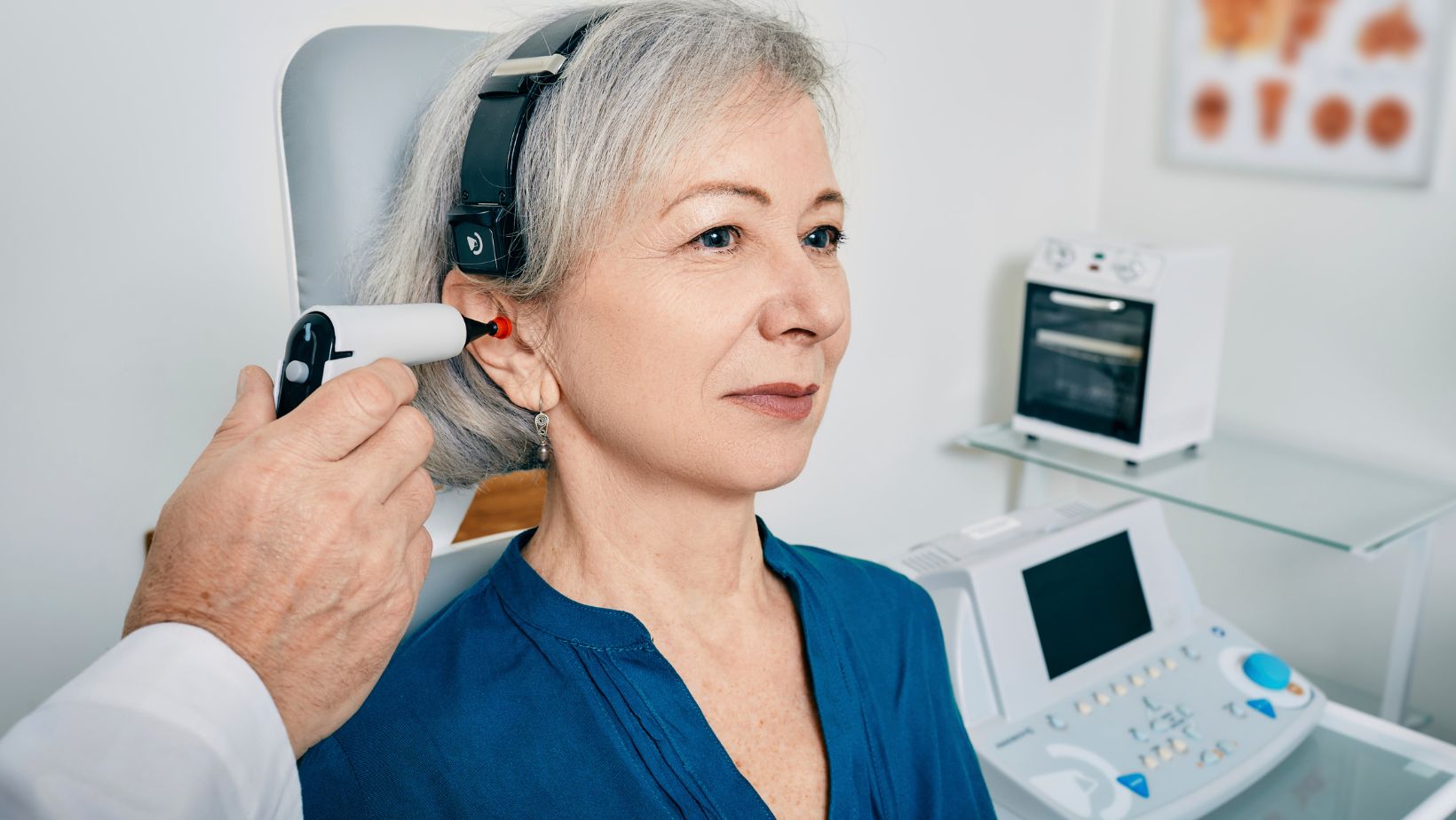
Specialised clinics, like VIP Hearing Solutions, can provide you with detailed and accurate results. They not only assess your hearing capacity but can also recommend appropriate hearing aids or assistive devices if necessary.
Demystifying the Hearing Test Procedure
If you’re apprehensive about the idea of getting your hearing tested, understanding what to expect can help ease your mind. Here’s a brief overview of a typical hearing assessment:
1 Consultation: A hearing professional will begin with a detailed consultation, understanding your medical history, lifestyle, and any specific concerns you may have.
2 Audiometry Tests: Next, you’ll undergo audiometric tests, which usually involve listening to different tones at varying volumes and indicating when you can hear them.
3 Speech Discrimination Tests: These tests help evaluate how well you can understand speech in both quiet and noisy environments.
4 Follow-Up: Based on the results, the audiologist will discuss next steps with you, which could include further testing, lifestyle recommendations, or referrals.
This process is straightforward, and the technology involved is often quite advanced, making the experience not only comfortable but also efficient.
Maintaining Hearing Health—What Can You Do?
Beyond regular testing, several steps can help you preserve your hearing:
• Limit Exposure to Loud Noises: Use earplugs in loud environments and avoid prolonged exposure to noisy machinery or music.
• Practice Good Ear Hygiene: Clean your ears gently and avoid inserting objects that can cause damage.
• Manage Chronic Conditions: Regular consultations for health issues like diabetes and hypertension can indirectly safeguard your hearing health.
• Stay Active: Engaging in regular physical activity promotes good blood flow to the ears, which can be beneficial for maintaining hearing ability.
Conclusion: Prioritising Your Hearing Health
For adults over 40, an annual hearing test isn’t just a good idea; it’s essential. The benefits derived from early detection, intervention, and maintaining hearing health are profound. Not only can they improve your daily living, but they also enhance your relationships and overall well-being.
Taking the time for a hearing assessment is a small yet significant step toward a healthier future. By prioritising auditory health, you’re empowering yourself to enjoy life’s sounds—friends’ laughter, a favourite song, or a peaceful moment in nature. So, make the commitment today; your hearing will undoubtedly thank you.
About the Author