Skip to content
Spring Hill Med Group

Spring Hill Med Group

Nourish Your Wellness, Embrace Health Tips, Elevate Fitness

Primary Menu
  • Home
  • Health Tips
    • Facts About Medicine
    • General Updates and News
  • Nutrition
  • Fitness
  • Interesting Facts
  • Meet The Team
  • Contact Us
  • Home
  • Latest
  • The Most Common Neurological Conditions and How to Treat Them

The Most Common Neurological Conditions and How to Treat Them

Tom Bastion 4 min read
Image1

The nervous system, an intricate network of nerves and cells known as neurons, plays a crucial role in controlling everything from our heartbeat and breathing to our movement, speech, and thought processes. When this system is compromised by injury or disease, the consequences can be life-altering. Understanding these conditions is the first step toward effective management and treatment.

This article aims to shed light on the most prevalent neurological disorders, focusing particularly on the top three conditions that affect a significant portion of the population. By delving into stroke, Alzheimer’s disease, and epilepsy, we will explore their causes, symptoms, and the latest advancements in treatment options.

Table of Contents

Toggle
  • The Most Common Neurological Conditions
    • Stroke
  • Alzheimer’s Disease
  • Epilepsy
  • Innovative Treatments and Therapies
  • The Bottom Line

The Most Common Neurological Conditions

Neurological disorders encompass a vast range of conditions that impact the nerves, spinal cord, and brain throughout the body. Among these, three stand out due to their prevalence and significant impact on public health: stroke, Alzheimer’s disease, and epilepsy.

Stroke

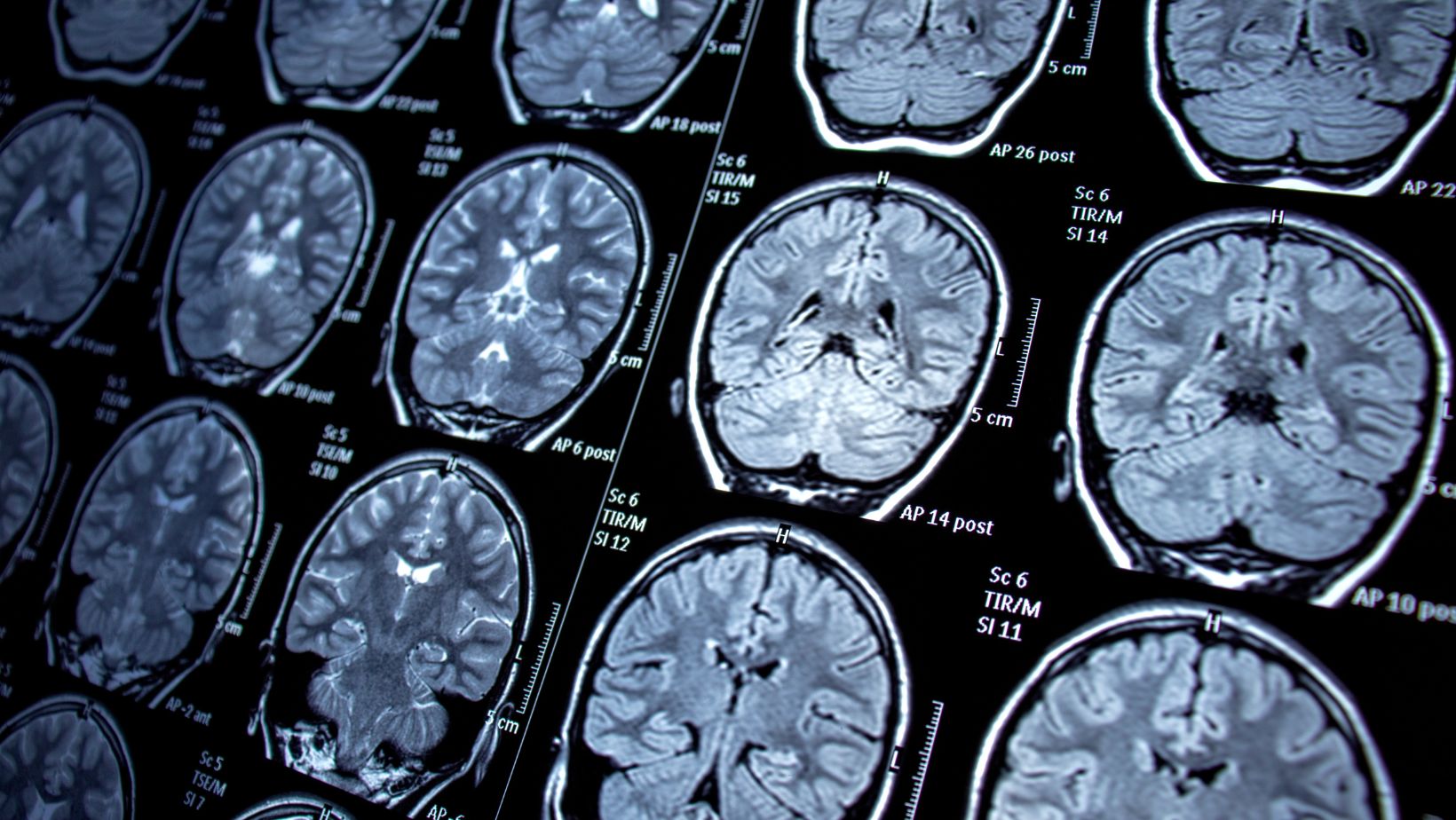
Stroke is one of the key causes of disability and mortality worldwide and represents a critical area of focus within neurological conditions.
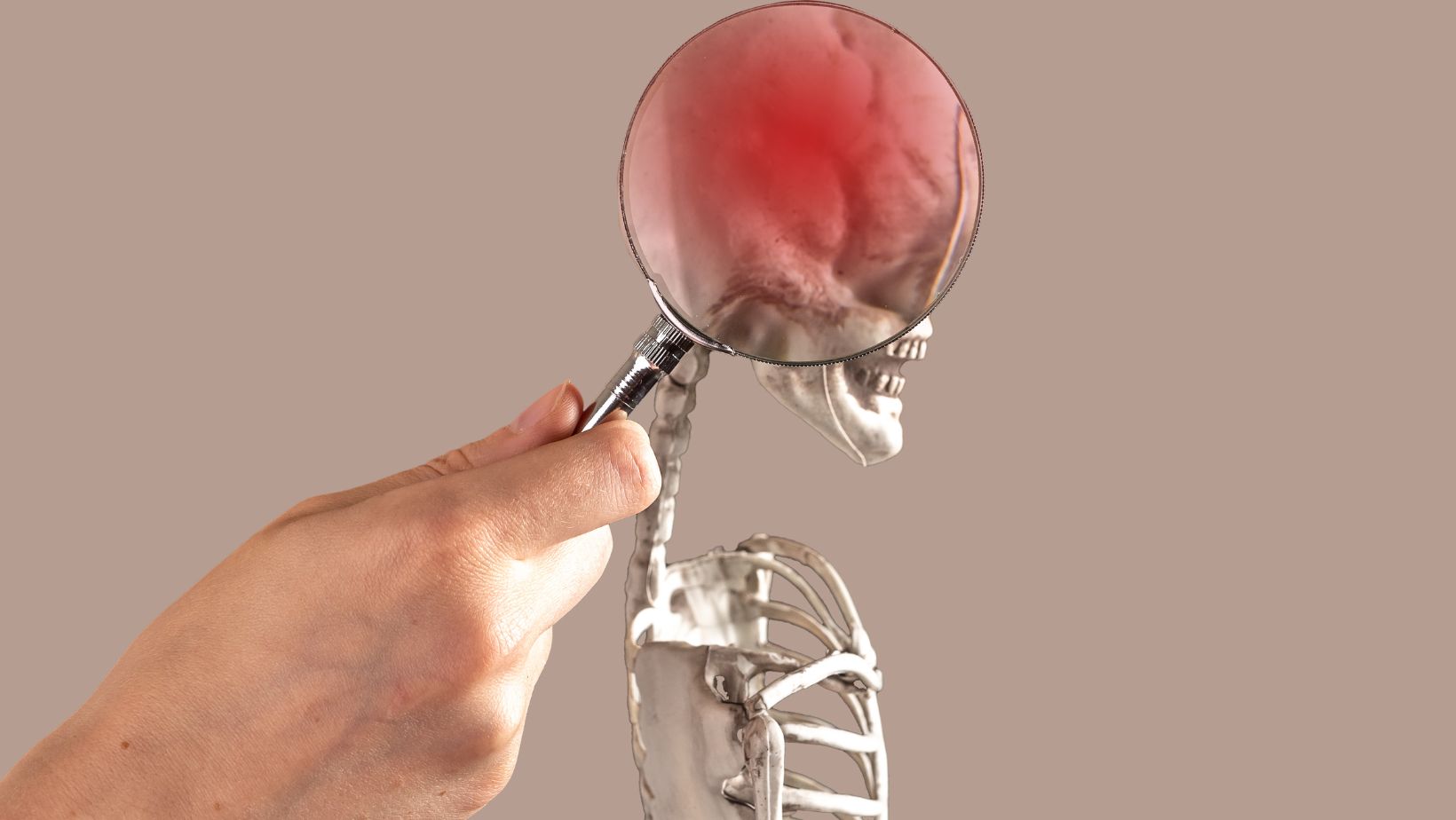
Image3

It happens when the blood supply to regions of the brain is interrupted or significantly lowered, depriving brain tissue of oxygen and nutrients. This may cause the death of brain cells within minutes.

Aspect Details
Types
  • Ischemic (caused by blockages)
  • Hemorrhagic (caused by bleeding)
Common Symptoms
  • Unexpected numbness or weakness (particularly on one side of the body)
  • Walking difficulties, loss of balance, dizziness
  • Serious headache with unknown cause
  • Confusion, trouble speaking or understanding
  • Trouble seeing in one or both eyes
Risk Factors
  • High blood pressure
  • Smoking
  • Diabetes
  • High cholesterol
  • Obesity
  • Heart diseases
  • Previous stroke or transient ischemic attack (TIA)
Treatment Options
  • For ischemic stroke: clot-busting drugs, mechanical thrombectomy
  • For hemorrhagic stroke: controlling bleeding, reducing pressure in the brain, surgery

Alzheimer’s Disease

Alzheimer’s disease presents a growing challenge as populations age worldwide. This progressive neurological disorder gradually impairs memory and cognitive functions, leading to significant changes in behavior and the ability to perform daily activities.

Aspect Details
Characteristics
  • Progressive memory loss
  • Decline in cognitive functions
  • Changes in behavior and personality
Common Symptoms
  • Difficulty remembering recent conversations, names, or events
  • Impairment in decision-making, planning, and solving problems
  • Misplacing personal belongings
  • Changes in mood, including apathy and depression
  • Withdrawal from work or social activities
Risk Factors
  • Age (65 years and older)
  • Family history and genetics
  • Down syndrome
  • Mild cognitive impairment
  • Lifestyle and heart health
  • Head trauma
  • Poor sleep patterns
Treatment Options
  • Medications for memory loss (e.g., Cholinesterase inhibitors)
  • Medications for behavior changes (e.g., Antidepressants)
  • Supportive therapies (e.g., Occupational therapy)
  • Lifestyle modifications
  • Caregiver support and education

Epilepsy

Epilepsy is a chronic neurological disease notorious for its recurrent, unprovoked seizures. These seizures are the product of sudden, excessive electrical discharges in brain cells. Epilepsy can affect anyone, regardless of age, gender, or ethnic background.
Image2

Thus, understanding the nuances of this condition is important for effective management and elevating the patient’s quality of life.

Aspect Details
Types of Seizures
  • Focal (occurring in just one part of the brain)
  • Generalized (involving the entire brain)
Common Triggers
  • Missed medication
  • Lack of sleep
  • Stress
  • Alcohol intake
  • Flashing lights or patterns
Treatment Options
  • Antiepileptic drugs (AEDs)
  • Surgical interventions
  • Neurostimulation devices
  • Dietary therapies (e.g., Ketogenic diet)
Lifestyle Management
  • Regular sleep patterns
  • Stress reduction techniques
  • Avoidance of known triggers
  • Regular medical follow-up

Innovative Treatments and Therapies

The treatment and management landscape for neurological disorders is rapidly evolving, thanks to relentless research and technological advancements.

Among the most promising developments are targeted therapies that address the underlying causes of conditions like Alzheimer’s disease and the refinement of neurostimulation techniques for epilepsy and Parkinson’s disease. For instance, deep brain stimulation (DBS) has shown remarkable efficacy in reducing tremors in Parkinson’s patients, significantly improving their quality of life.

Another groundbreaking area of development is the use of medical cannabis treatment for managing symptoms of various neurological conditions, including epilepsy, multiple sclerosis, and chronic pain. For example, a study published in the New England Journal of Medicine demonstrated the efficacy of cannabidiol, a component of cannabis, in significantly reducing convulsive seizures among children with Dravet syndrome, a severe form of epilepsy.

The Bottom Line

From the rapid response required to treat stroke to the long-term management of Alzheimer’s disease and epilepsy, the advancements in medical science and technology are providing new avenues for care and treatment. As research progresses, the promise of more effective therapies and perhaps even cures for these complex conditions becomes more tangible. By staying informed about these developments, patients and their families can navigate the challenges of neurological disorders with greater resilience and optimism.

Continue Reading

Previous: Music, Hormones, and Productivity: What is Common?
Next: How to Transform Healthcare Operational Challenges into Opportunities with CMMS

Trending Now

Lower Back Pain Postpartum Relief: Easy Steps to Support Your Healing Body 1

Lower Back Pain Postpartum Relief: Easy Steps to Support Your Healing Body

Tom Bastion
How a Well-Written Lease Agreement Protects Your Medical Practice’s Space 2

How a Well-Written Lease Agreement Protects Your Medical Practice’s Space

Tom Bastion
Highest Tips for Selecting Weight Loss Supplements 3

Highest Tips for Selecting Weight Loss Supplements

Tom Bastion
Hair Growth Devices: Everything You Need to Know Before 4

Hair Growth Devices: Everything You Need to Know Before

Tom Bastion
Neck Strength & Therapy Device Explained: Benefits, Uses, and Expert Tips 5

Neck Strength & Therapy Device Explained: Benefits, Uses, and Expert Tips

Tom Bastion
Can You Stay Connected With Loved Ones During Rehab? 6

Can You Stay Connected With Loved Ones During Rehab?

Tom Bastion

Related Stories

How a Well-Written Lease Agreement Protects Your Medical Practice’s Space
5 min read

How a Well-Written Lease Agreement Protects Your Medical Practice’s Space

Highest Tips for Selecting Weight Loss Supplements
5 min read

Highest Tips for Selecting Weight Loss Supplements

Neck Strength & Therapy Device Explained: Benefits, Uses, and Expert Tips
4 min read

Neck Strength & Therapy Device Explained: Benefits, Uses, and Expert Tips

How Often Should You Get a Massage? Answering Popular Questions
7 min read

How Often Should You Get a Massage? Answering Popular Questions

Discover INDA CLOUD’s Top Trending Products: Alternative Options, Specialty Flowers & More
7 min read

Discover INDA CLOUD’s Top Trending Products: Alternative Options, Specialty Flowers & More

Complete Access Guide to Casino de Montreal Location in Canada
4 min read

Complete Access Guide to Casino de Montreal Location in Canada

Trending News

The Value of Outsourced Billing Support in Healthcare  springhillmedgroup team 1

The Value of Outsourced Billing Support in Healthcare 

Tom Bastion
Smile Makeovers with Veneers Gold Coast: What to Expect at ArtSmiles 2

Smile Makeovers with Veneers Gold Coast: What to Expect at ArtSmiles

Tom Bastion
Supporting Mobility With Confidence: A Smarter Approach to Walkers for Seniors 3

Supporting Mobility With Confidence: A Smarter Approach to Walkers for Seniors

Tom Bastion
How Facial Filler Injections Restore Volume and Structure Naturally 4

How Facial Filler Injections Restore Volume and Structure Naturally

Tom Bastion
Breaking Down OCD vs Perfectionism: Why They’re Not the Same Thing 5

Breaking Down OCD vs Perfectionism: Why They’re Not the Same Thing

Tom Bastion

Our location:

888 Tarquinia Walk
Drendath Mountain, TD 22334
  • Home
  • Privacy Policy
  • Terms & Conditions
  • Meet The Team
  • Contact Us
Copyright © 2024 springhillmediagroup.com