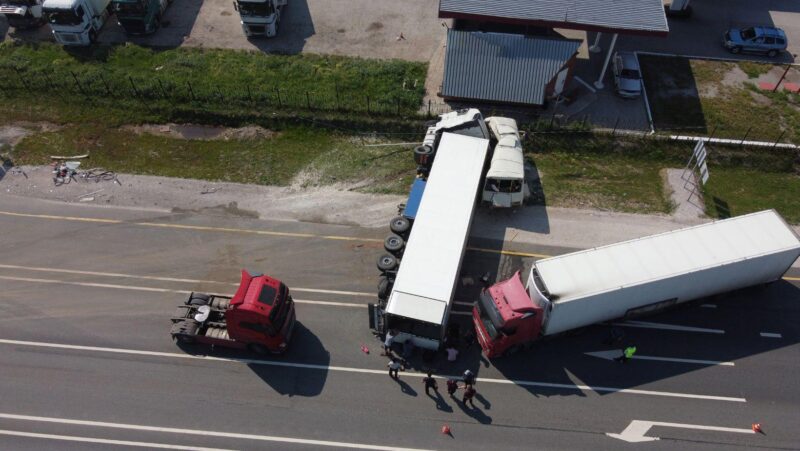
First responders—including paramedics, firefighters, police officers, and emergency medical personnel—are on the front lines of crises. Their work often involves exposure to traumatic events, such as accidents, natural disasters, and violent crimes. While their role is critical in ensuring public safety, the mental toll of their duties can lead to Post-Traumatic Stress Disorder (PTSD).
According to the Substance Abuse and Mental Health Services Administration (SAMHSA), approximately 30% of first responders develop behavioral health conditions, including PTSD, compared to 20% of the general population. This article explores the unique challenges faced by first responders with PTSD and highlights effective strategies for support and recovery.
The Nature of Trauma in First Responders
First responders are frequently exposed to situations that most people might experience only once or never in their lifetimes. Their repeated exposure to high-stress and traumatic events significantly increases the risk of developing PTSD.
Common Traumatic Events:
– Witnessing severe injuries or fatalities.
– Responding to natural disasters or terrorist attacks.
– Experiencing physical harm or threats to personal safety.
– Handling incidents involving children, which often have a profound emotional impact.
Cumulative Trauma:
For many first responders, PTSD does not stem from a single incident but rather from the cumulative stress of repeated exposure to distressing events over time.
Unique Challenges Faced by First Responders
1. Stigma Around Mental Health
Despite growing awareness of PTSD, many first responders face stigma within their workplaces. The culture of strength and resilience in emergency services can discourage individuals from seeking help, as they fear being perceived as weak or unfit for duty.
Statistics:
A study published in the Journal of Occupational Health Psychology found that 60% of first responders with PTSD avoid seeking help due to fear of stigma or career repercussions.
2. Hypervigilance and Emotional Exhaustion
The nature of their work requires first responders to remain hypervigilant, constantly scanning for threats and dangers.
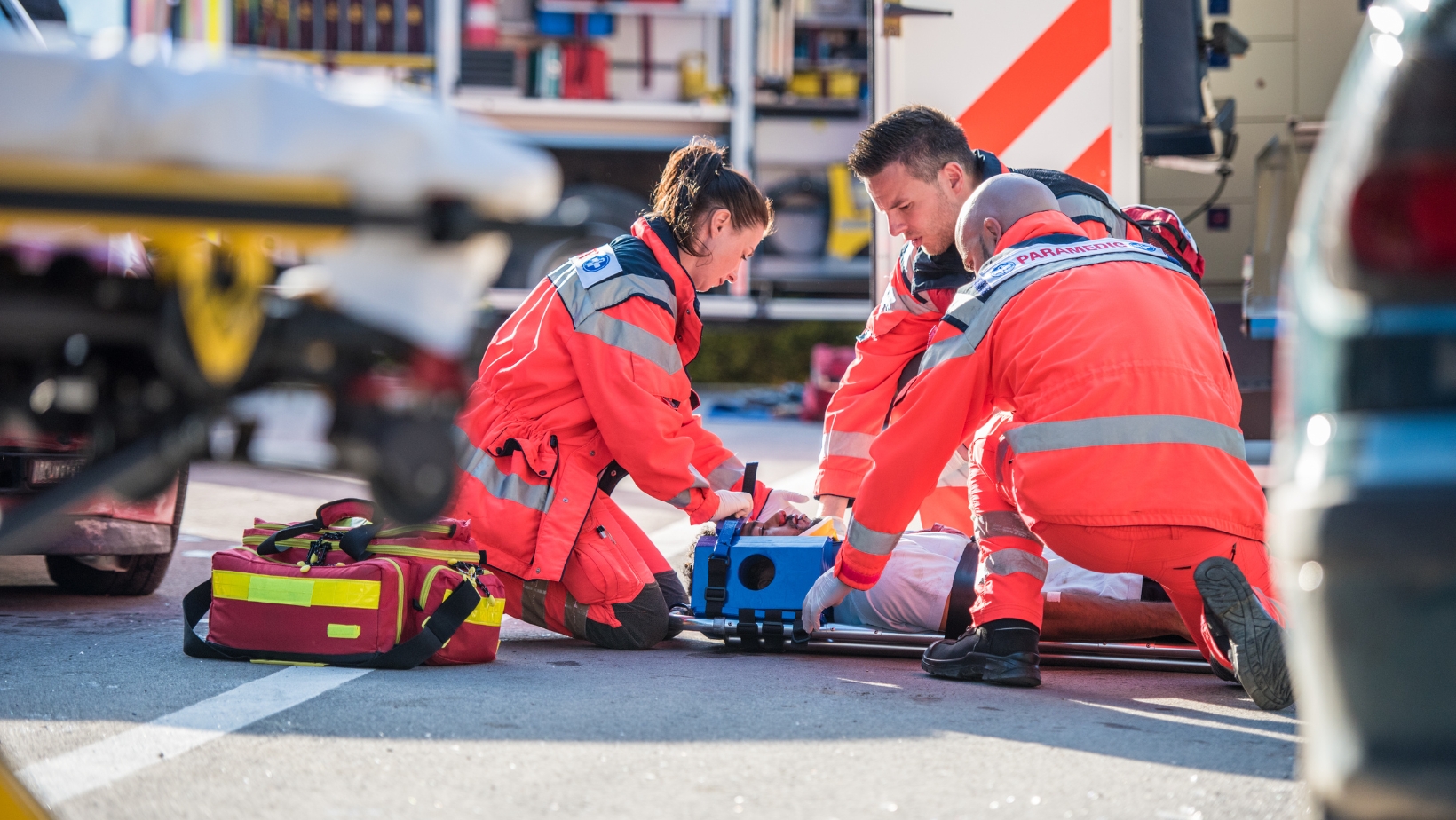
Over time, this heightened state of alertness can lead to:
– Difficulty relaxing or feeling safe in non-work environments.
– Chronic fatigue and emotional exhaustion.
– Difficulty maintaining personal relationships.
3. Impact on Personal Relationships
The emotional and psychological effects of PTSD often extend into personal lives, straining relationships with family and friends. Common challenges include:
– Withdrawal or emotional detachment.
– Irritability and anger outbursts.
– Difficulty communicating feelings or experiences.
4. High Risk of Co-Occurring Conditions
First responders with PTSD often experience additional mental health challenges, including:
– Depression: Persistent feelings of hopelessness or guilt.
– Substance Use Disorders: Alcohol or drug use as a coping mechanism.
– Suicide Risk: First responders have a higher rate of suicide than the general population.
Statistics:
A report by the Ruderman Family Foundation found that in 2017, more firefighters and police officers died by suicide than in the line of duty.
Solutions and Strategies for Managing PTSD in First Responders
While the challenges are significant, there are effective strategies to support first responders in managing PTSD and improving their mental health.
1. Creating a Supportive Work Culture
a. Reducing Stigma
Organizations can foster an environment where mental health is openly discussed and prioritized. This includes:
– Offering regular mental health training.
– Encouraging leaders to share their experiences with stress and trauma.
– Implementing anonymous channels for seeking help.
b. Critical Incident Stress Debriefing (CISD)
After particularly traumatic events, structured debriefing sessions allow first responders to process their experiences in a safe and supportive environment.
2. Access to Professional Help
a. Therapeutic Interventions
Evidence-based therapies for PTSD include:
– Cognitive Behavioral Therapy (CBT): Helps first responders reframe negative thoughts associated with trauma.
– Eye Movement Desensitization and Reprocessing (EMDR): Supports reprocessing traumatic memories to reduce their emotional impact.
b. Peer Support Programs
Connecting with fellow first responders who understand the unique challenges of the job can provide validation and encouragement.
Example:
Programs like the Firefighter Behavioral Health Alliance (FBHA) offer peer counseling and resources tailored to emergency personnel.
3. Mindfulness and Stress Reduction Techniques
a. Mindfulness Practices
Techniques like meditation and deep breathing exercises help first responders ground themselves in the present moment, reducing anxiety and hypervigilance.
b. Physical Activity
Regular exercise releases endorphins and reduces stress, helping to counteract the physical effects of PTSD.
c. Healthy Sleep Habits
First responders often experience disrupted sleep due to shift work and trauma-related insomnia.

Sleep hygiene practices, such as limiting caffeine and maintaining a consistent bedtime, can improve rest.
4. Family and Community Involvement
a. Family Education
Providing families with resources and education about PTSD can improve understanding and strengthen support systems.
b. Community Resources
Local organizations, such as churches or non-profits, can offer additional layers of support, including therapy subsidies or wellness programs.
5. Resilience Training
Many emergency services organizations now incorporate resilience training into their programs. These sessions teach first responders how to cope with stress, build mental toughness, and recognize early signs of PTSD.
Example:
The Resilience Strength Training Program (RSTP) for police officers has shown to improve stress management and reduce burnout rates by 25%, according to a study in Occupational Medicine.
Conclusion
PTSD in first responders is a serious yet often overlooked issue that deserves attention and action. These individuals dedicate their lives to protecting others, but the emotional toll of their work can be immense. Addressing the unique challenges of PTSD in this population requires a multifaceted approach, including supportive workplace policies, professional therapy, and resilience-building practices.
By fostering a culture of understanding and providing accessible resources, we can ensure that first responders receive the care and support they need to heal and thrive.
If you or someone you know is a first responder struggling with PTSD, organizations like the National Suicide Prevention Lifeline (1-800-273-TALK) and Code Green Campaign are available to offer help.
About the Author