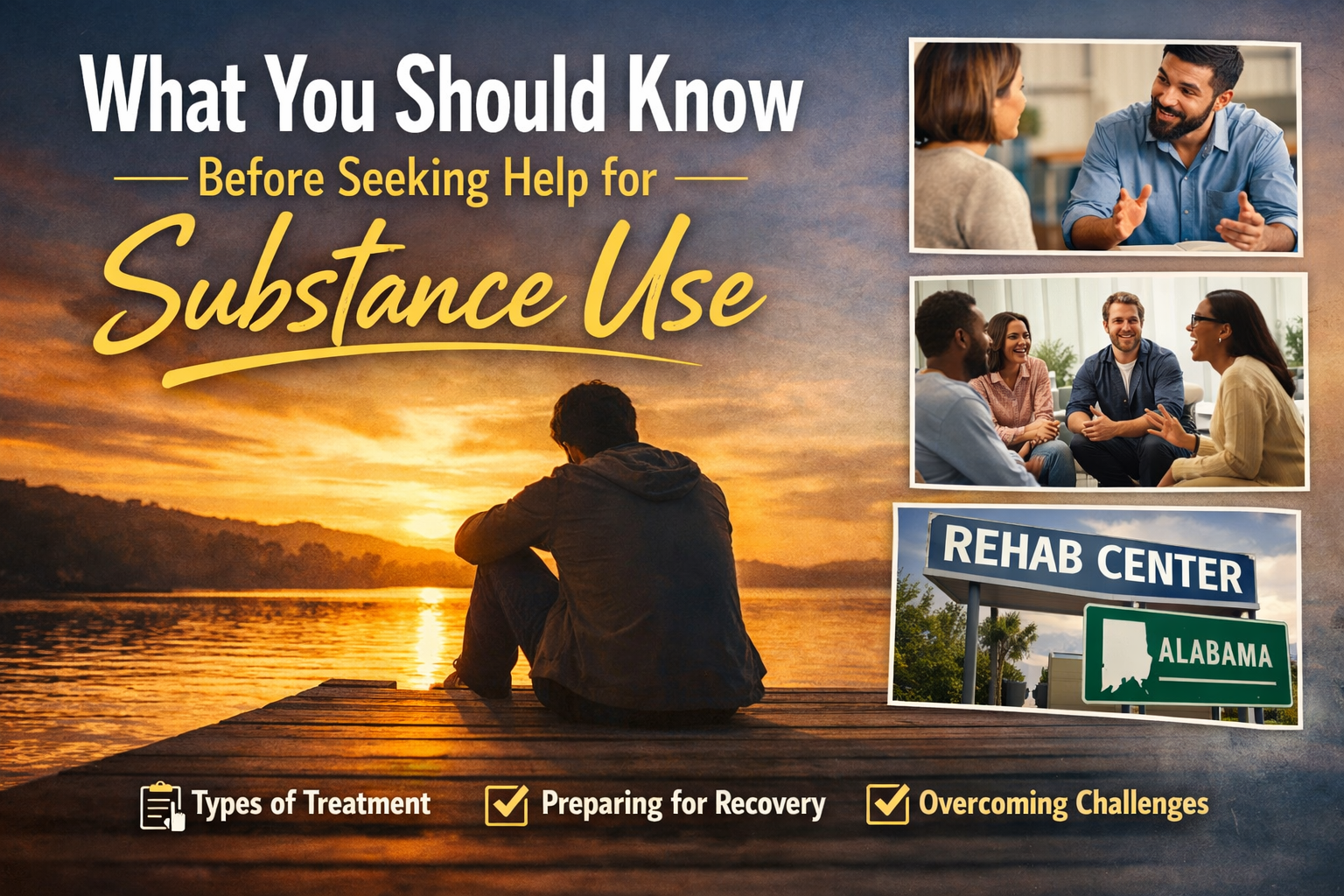
Deciding to seek help for substance use is a major step—one that often comes with questions, doubts, and a mix of emotions. Whether it’s for yourself or someone you care about, understanding what to expect can make the journey feel less overwhelming and more manageable. Substance use challenges are complex, and recovery isn’t the same for everyone. Knowing the types of support available and how to prepare can empower you to take control of this critical moment.
Understanding the Scope of Substance Use
Substance use disorders (SUDs) affect millions of people worldwide. According to recent data, tens of millions of Americans struggle with substance use each year, including alcohol, prescription medications, and illicit drugs. Realizing that these challenges are common—and treatable—can help reduce shame and stigma for anyone seeking help.
The severity of substance use varies widely. Some individuals may have occasional misuse, while others face chronic addiction that touches every area of life. Substance use often coexists with mental health issues such as anxiety, depression, or trauma, which is why professional support is essential for effective recovery.
Why Early Help Matters
Waiting to seek help can allow problems to grow. Early intervention increases the likelihood of successful recovery and helps prevent long-term health problems, legal complications, and strained relationships. Signs like changes in behavior, withdrawal from social activities, or neglecting responsibilities are signals that it’s time to act.
Types of Treatment and Support
Recovery isn’t one-size-fits-all. Treatment plans are personalized to fit the individual, taking into account the type of substance, severity of use, co-occurring mental health concerns, and personal circumstances.
Detox: The First Step
For many, detoxification is the initial stage of treatment. This process helps the body eliminate addictive substances and manage withdrawal symptoms safely, often with medical supervision. While detox is necessary, it’s important to remember it’s just the beginning—it prepares you for the next phases of recovery.
Inpatient vs. Outpatient Programs
Inpatient, or residential, programs provide intensive care in a structured environment. Lasting anywhere from 30 days to several months, they offer 24/7 support and are ideal for those with severe addiction or triggering home environments.
Outpatient programs let individuals stay at home while attending regular treatment sessions. This option works well for those with milder substance use or strong support systems. Outpatient care typically includes therapy, group sessions, and medication management.
Counseling and Behavioral Therapies
Therapies are a central part of recovery. Cognitive-behavioral therapy (CBT) helps people identify and change unhealthy thought patterns, while motivational interviewing encourages self-motivation for change. Family therapy can improve communication and address dynamics that may contribute to substance use. Peer support groups like Alcoholics Anonymous (AA) or Narcotics Anonymous (NA) provide ongoing community and encouragement.
Medication-Assisted Treatment (MAT)
For certain addictions, medications can ease cravings and withdrawal. MAT combines medication with counseling and behavioral therapies and is particularly effective for opioid and alcohol use disorders. Common options include methadone, buprenorphine, and naltrexone. A healthcare provider can help determine if MAT is right for you.
Preparing to Seek Help

Knowing what to expect before starting treatment can reduce anxiety and improve outcomes. Preparation involves practical, emotional, and informational steps.
Assessing Readiness
Recovery starts with self-reflection. Being honest about your substance use, its impact, and your willingness to engage in treatment is key. Readiness doesn’t require perfection—it means being open to change and committed to the process. If you’re supporting a loved one, keep in mind that they must also be willing participants for treatment to work.
Finding the Right Provider
Not all treatment centers are the same. Look for programs accredited by reputable organizations and consider factors such as approach, staff qualifications, location, and cost. For those in Alabama, options for Drug Rehab in AL can provide tailored treatment plans to meet diverse needs. Many facilities offer consultations to help you decide.
Understanding Costs and Insurance
Financial concerns can delay treatment, but many insurance plans, including Medicaid and Medicare, cover substance use care. Some centers also offer sliding scale fees or scholarships. Don’t hesitate to ask about payment options upfront.
Planning for Aftercare
Recovery doesn’t end when treatment does. Aftercare—including ongoing therapy, support groups, and relapse prevention strategies—is crucial for maintaining progress. Planning this phase early helps create a safety net and reduces the chance of relapse.
Common Challenges and How to Navigate Them
Seeking help is brave, but it often comes with hurdles. Anticipating these can make the journey smoother.
Overcoming Stigma
Addiction stigma can lead to shame and isolation. Remember, substance use disorders are medical conditions, not moral failings. Seeking help is a sign of strength, not weakness. Surround yourself with supportive people who understand this.
Managing Fear and Uncertainty
Fear of withdrawal, treatment failure, or judgment is common. Learning about what to expect and speaking with professionals can help ease concerns. Relapse may happen; it’s part of recovery, not a reason to give up.
Balancing Treatment and Daily Life
Work, family, and other responsibilities can complicate treatment. Flexible scheduling and outpatient options can help. Communicate openly with employers and loved ones about your needs—they can often provide accommodations and support.
Taking the First Step
Seeking help for substance use is a pivotal moment. Feeling overwhelmed is normal, but help is available, and recovery is possible. Start by reaching out to a healthcare provider, counselor, or support group to explore options and create a plan that fits your situation.
Every journey begins with a single step. Taking that step thoughtfully and prepared increases your chances of lasting change. You are not alone—millions have faced similar challenges and reclaimed their lives. With the right support, it’s possible to build a healthier, more fulfilling future.
About the Author