A good chunk of transplanted hair actually falls out within the first month. Not this. Falls out. If nobody tells you that beforehand, it can make you panic and start Googling at midnight, convinced the whole procedure failed.
It didn’t fail. It’s just how the process works, and it’s a lot slower and stranger than the “before and after” photos make it look. Redness, scabbing, swelling, shedding; all of it shows up at some point.
Real growth takes months, not days, and understanding the order things happen in makes the whole experience a lot less nerve-wracking.
The First 24 to 48 Hours
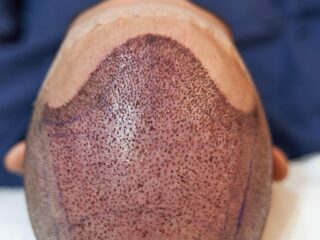
Your scalp just went through a procedure, so of course it’s tender. Mild swelling and redness are pretty normal, and small scabs start forming around the grafts almost right away.
Weirdly, the donor site (wherever the hair was actually taken from) sometimes bothers people more than the transplant area itself.
Providers usually hand over a specific washing routine for this stretch, and it’s genuinely worth following instead of guessing. Activity gets limited too, though how much depends entirely on your clinic’s own protocol.
Think of the new follicles like seedlings that just got moved into fresh soil. They need a gentle hand, not a full return to normal life by Tuesday.
Also worth saying clearly: aftercare instructions differ between providers and procedures, so what your cousin’s guy told him isn’t necessarily your plan.
Week One
This week is basically about not undoing the progress you just paid for. Scabs are still around the grafts. Redness tends to fade a bit. Swelling can actually show up a day or two later, which throws people off since they expect it to peak immediately.
Worth doing:
- Stick to your provider’s instructions, even the annoying parts
- Clean the scalp the way you were told, not the way it seems logical
- Leave it alone otherwise
Worth avoiding:
- Picking at scabs (yes, even that one that’s really bugging you)
- Jumping back into the gym against advice
- Deciding anything about the “final look” this early. You can’t. It’s too soon.
Weeks Two Through Four
Here’s where it gets a little psychologically weird. The obvious healing calms down, scabs fade, the area looks more or less normal on the surface. And then the hair starts falling out.
That’s the shedding phase, and it throws almost everyone for a loop the first time. What’s actually happening is the hair shaft detaches while the follicle stays put under the skin, quietly getting ready to grow something new later. Looks discouraging. Isn’t a failure. It just feels like one.
Why Does the New Hair Fall Out?
This gets its own section because it causes more anxiety than almost anything else in this process.
The shaft and the follicle are two separate things, and losing the shaft doesn’t mean losing the follicle. The scalp can look thinner for weeks while that follicle sits underneath, working on its next hair.
Some people shed more, some less, some barely notice it. That’s just individual variation, not a red flag. That said, if something feels genuinely off, more painful than expected, unusually red, whatever, the move is calling your provider. Not diagnosing yourself off a forum thread.
Months Two and Three
Slow. Genuinely slow. New growth might start showing up here, but it’s often thin, fine, and patchy at first. Some follicles wake up early, others take their time, because hair growth cycles aren’t synchronized across the whole scalp. They never have been, for anyone.
It depends a lot on the individual, but nobody should expect dramatic, uniform coverage by month three. This is the stretch where patience actually matters more than anything else on this list.
Months Four Through Six
This is usually when people start seeing something real. New hairs get easier to spot, then longer, then noticeably thicker. Coverage improves, though different parts of the scalp move at different speeds, which can be a little uneven-looking for a while.
For anyone curious about the mechanics behind all this, it helps to understand how individual follicular units get extracted and placed, which is the whole basis of an FUE hair transplant.
What Actually Changes the Timeline?
Recovery isn’t the same for everyone, and here’s why:
- Type of procedure done
- Number of grafts transplanted
- How fast your body heals in general
- Hair texture
- The pattern of loss you started with
- Scalp condition beforehand
- Whether aftercare was actually followed
- General health and daily habits
Treat any timeline you read online (including this one) as a rough guide, not a countdown clock.
Picking a Provider and Actually Following Aftercare
None of this works well without good guidance from start to finish. Understanding your aftercare plan before surgery day, keeping expectations grounded, showing up for follow-ups; all of it matters.
Anyone exploring hair restoration options in Texas can learn more about the best hair transplant in Dallas and what a genuinely experienced provider looks like up close.
When to Actually Call Your Provider?
Most of what happens during recovery looks worse than it is. Still, a few things warrant a real phone call: severe or worsening pain, heavy swelling, bleeding that won’t stop, anything that looks infected.
When unsure, defer to your own provider’s specific instructions rather than general advice pulled off the internet.
Give It Time
From that first tender 48 hours through months of slow, uneven growth, the pattern stays the same. Nothing about this moves fast. Redness fades, scabs clear, hair sheds and eventually comes back, and coverage fills in on its own schedule, not yours.
Anyone researching hair restoration in New York can click here to look into available services and what the consultation process actually involves.
About the Author