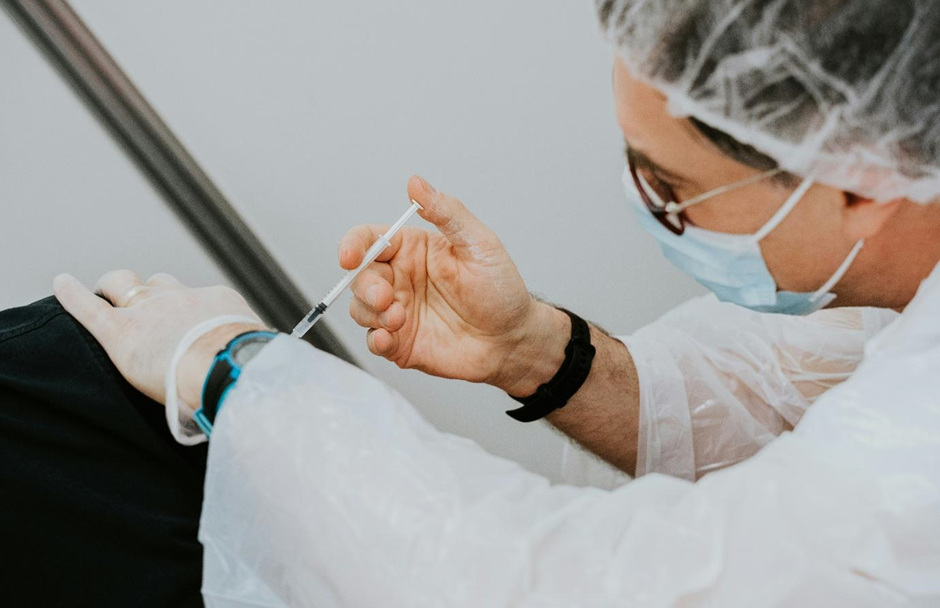
Here’s a scenario. You pop a pill, receive an injection, or undergo a new treatment, marveling at the wonders of modern medicine. What you may not think about is the colossal effort that got that miracle from a scribble in a researcher’s lab notebook to the shelf of your local pharmacy or the equipment tray of your physician.
We tend to take these life-saving advancements for granted, lumping them in with other products: first a lightbulb moment, then production, marketing, and presto—cures are sold alongside toothbrushes and hair gel. If only it were that simple.
The path from research to treatment is less of an express highway and more of an endless obstacle course of hurdles. One crucial – but painfully rigorous – stage in this process is clinical trials, which itself takes place over a series of key phases:
Phase I: Safety and Dosage Testing in Clinical Trials
Imagine inventing the world’s next blockbuster medication—or, more accurately, trying not to reinvent fire festival-level fiascos like thalidomide in the mid-20th century. Phase I trials exist to ensure safety first. How safe? Lab-analyzed molecules make their grand human debut in these small studies (typically involving just 20–100 participants) that act as early-stage explorers, meticulously charting unknown terrain.
What do researchers examine? Primarily, the body’s reaction to the drug—its absorption, metabolism, and side effects. Does the molecule get incinerated in the liver? Does it leave side effects so brutal they make the disease seem friendly?
According to research published by the U.S. Food & Drug Administration (FDA), about 70% of drugs pass Phase I. Translation: nearly a third are scratched at this inaugural gate before they even get within sniffing distance of treating anyone.
Another big task for this stage is identifying the safest dosage. What amount tips from harmless to “Houston, we have a problem?” Typically conducted as “dose-escalation studies,” this step tests incrementally higher amounts to identify tolerability thresholds.
Brave souls—known as “healthy volunteers”—step up to ensure science inches forward, while monitored in environments where reactions to experimental drugs won’t cost lives. Some joke about them being professional guinea pigs, but when humanity beats pandemics or lands treatment breakthroughs like mRNA technology, those volunteers look much more like unsung heroes.
Phase II: Assessing Efficacy and Side Effects
Once safety and tolerable dosing are figured out, it’s time for Phase II—arguably where things get trickier (and a lot more crowded). These trials, involving anywhere from 100–300 participants with the actual condition being targeted, test the treatment’s efficacy and how long-term or unexpected side effects crop up under more extensive usage.

This is where big data meets tangible human results. Take Keytruda, Merck’s cancer immunotherapy juggernaut, as an example. In Phase II trials, its efficacy astonished scientists treating metastatic melanoma, creating early buzz in oncology. Unfortunately, the graveyard of treatments discarded after lackluster efficacy or dangerous outcomes during this phase shows why results like these are far from routine.
Interestingly, just 33% of therapies that enter Phase II ultimately graduate to the next stage. The attrition comes primarily from two pitfalls: (1) therapies that “worked great on mice” turn useless in humans, or (2) therapies meant to cure us start doing actual harm. Let this simmer: Two out of three once-promising candidates flop like movies people rave about from trailers—barely holding your attention for two minutes of prime testing.
The critical endpoint at Phase II remains, “Is it better than the standard treatment (if one exists), the disease untreated, or placebo effects in real patients?” The study primarily focuses on metrics such as tumor shrinkage, improvements in physical health markers, and other factors directly related to the clinical purpose of the therapy.
Phases III and IV: Large-Scale Testing and Post-Market Surveillance
Phase III is where the stakes truly explode in scale, cost, and complexity. By this point, the treatment has made it through earlier hoops, showing promise in safety, efficacy, and dosing. Now? It’s all about proving it works reliably on a broad population. These trials involve thousands (yes, thousands!) of participants from diverse backgrounds, often spanning multiple countries, to validate the drug’s performance on a larger, more representative group of patients.

This stage isn’t just about crunching data on efficacy—it’s also when researchers ferret out rarer side effects that could only surface in a larger sample size. Statistically speaking, only about 25–30% of drugs successfully leap past Phase III, even at this late stage.
One iconic Phase III example is Pfizer and BioNTech’s COVID-19 vaccine trials, which enlisted over 40,000 volunteers to gauge safety and efficacy with astonishing precision at breakneck speed.
Once a drug crosses the regulatory finish line and hits the market, Phase IV—post-market surveillance—kicks in. Here, monitoring for rare, long-term effects continues. Think of this as a feedback loop: a treatment isn’t off the hook after FDA approval; instead, it’s watched to ensure safety over the years, keeping drug safety an evolving conversation.
From early development through post-market monitoring, bringing therapies to patients requires coordination across every stage of the process. Organizations like Synerg Biopharma support this journey by helping ensure efficient development and delivery of new treatments.
About the Author