Managing blood glucose is a daily commitment that blends timing, nutrition, and self-monitoring. People using rapid-acting insulin often balance meals, activity, and correction doses to keep numbers stable. This article offers practical, neutral education to help you talk with your care team and use tools like a NovoRapid Vial effectively.
If you want concise background while you read, explore these NovoRapid Vial details NovoRapid Vial details to understand where this type of therapy fits within overall diabetes care.
Understanding Rapid-Acting Insulin In Real Life
Rapid-acting insulin is commonly taken just before meals to cover carbohydrates and help manage post-meal spikes. It may also be used for corrections when glucose runs higher than your target. For people with type 1 diabetes, it’s part of a basal-bolus approach alongside a longer-acting insulin. Some people with type 2 diabetes may add rapid-acting doses to address after-meal elevations when lifestyle measures and other medications are not enough.
Key traits of rapid-acting options include a quick onset, a fairly short duration, and flexibility around meal timing. These qualities can help match insulin action more closely to food absorption. The same features also require strong habits—accurate carbohydrate estimation, timely dosing, and frequent glucose checks—to prevent hypoglycemia.
Timing, Dosing, And Everyday Logistics
Getting the most from a NovoRapid Vial in everyday routines often comes down to timing and consistency. Many clinicians suggest dosing shortly before eating, though the exact window depends on individual factors such as insulin sensitivity, current glucose, and the meal’s glycemic profile. Discuss the right timing for you with your healthcare provider.
- Pre-meal checks: Look at current glucose, recent trends, and any insulin-on-board to guide safe dosing.
- Carbohydrate estimation: Use nutrition labels, apps, or a diabetes educator’s guidance to refine carb counting.
- Glycemic impact: Meals higher in fat or protein may delay glucose rise; small dose adjustments or timing shifts might be needed under clinician advice.
- Exercise planning: Physical activity can amplify insulin action; it may help to lower the mealtime dose or add extra carbs depending on your plan.
- Correcting highs: If a correction dose is needed, account for any mealtime insulin still active to avoid stacking.
Some people explore Canadian pharmacies that can ship to the US for better cash pricing or product availability; if you consider this route, coordinate with your clinician to maintain continuity and safety.
Recognizing And Responding To Common Challenges
Hypoglycemia Awareness
Low blood sugar can happen when insulin action overshoots needs. Early symptoms include shakiness, sweating, irritability, and hunger. More advanced lows may bring confusion or drowsiness. Keep fast-acting carbs accessible and ask your care team about glucagon options and when to use them. Consider patterns: frequent lows after exercise, overnight, or between meals may indicate that timing or dose adjustments are needed.
Post-Meal Spikes
Spikes after eating are common with high-carb or high-glycemic meals. Strategies include refining carb counting, adjusting pre-bolus timing, or modifying the meal composition (fiber, protein, and fat can blunt rapid rises).
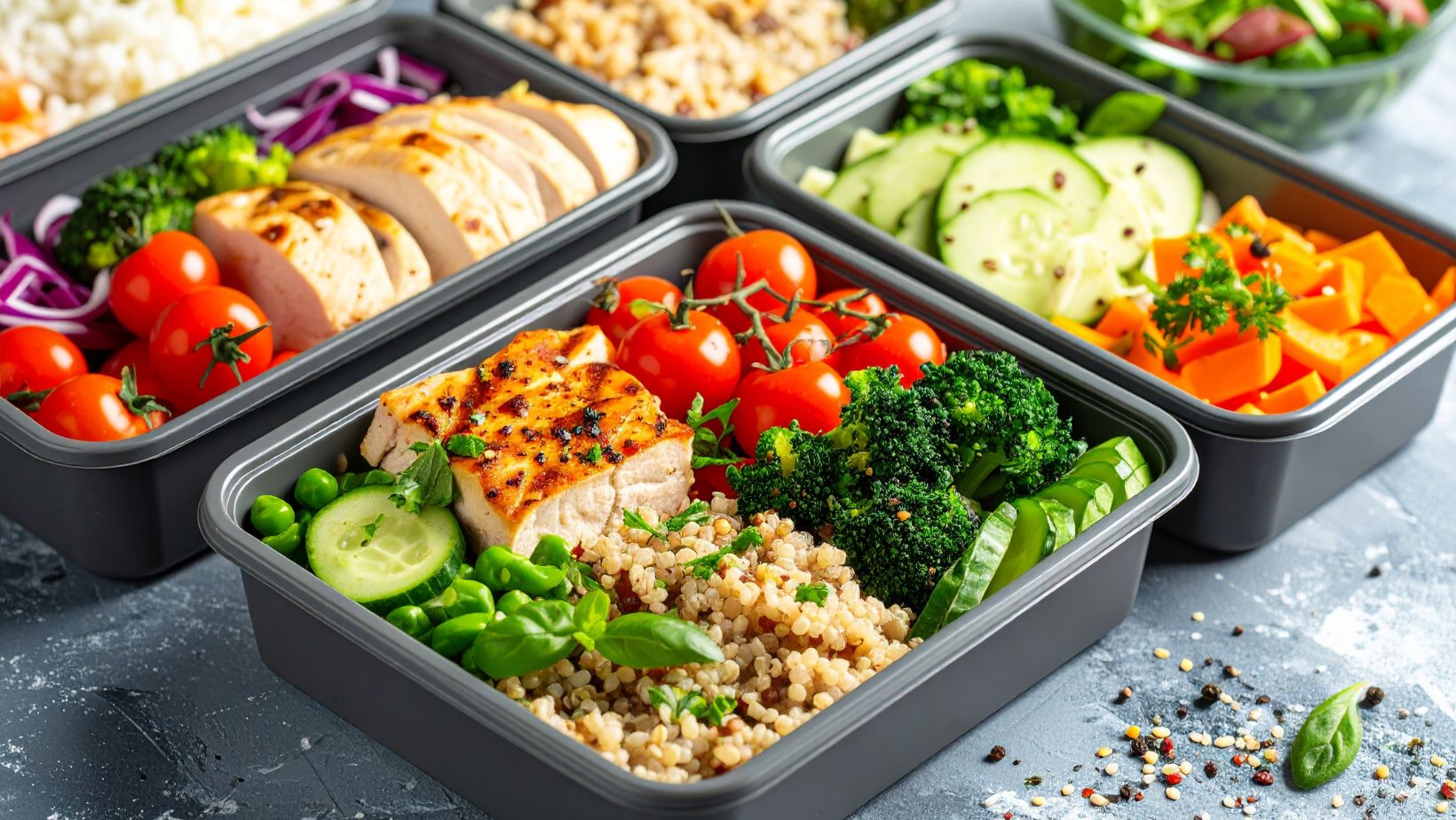
For mixed or high-fat meals, some people stagger part of the dose; only make such changes with your clinician’s guidance to avoid delayed hypoglycemia.
Illness, Stress, And Variability
Illness, dehydration, and stress hormones can push glucose higher and increase insulin needs. On sick days, test more often, hydrate, and follow your provider’s sick-day plan. Watch for ketones if glucose stays elevated, particularly for people with type 1 diabetes.
Storage, Handling, And Safety Basics
Keeping a NovoRapid Vial within recommended temperatures helps maintain potency. Unopened vials are usually refrigerated; opened vials are commonly stored at room temperature for a limited window. Do not freeze insulin. Avoid prolonged exposure to heat or direct sunlight, and discard any insulin that looks cloudy, discolored, or contains particles when it’s supposed to be clear. Always check the product insert for the exact temperature range and in-use timelines your specific product specifies.
- Label clearly: Mark the date when you first use the vial.
- Use the right syringes: Confirm units and compatibility to prevent dosing errors.
- Prevent contamination: Clean vial tops before use and keep syringes sterile.
- Rotate injection sites: Abdomen, thigh, or upper arm areas can be used; rotate within a region to reduce lipodystrophy.
For context on the broader class, you can learn more by browsing this category of rapid-acting insulin and discussing how different options compare with a healthcare professional.
Working With Your Care Team
Personalized dosing depends on insulin-to-carb ratios, correction factors, and target glucose ranges. These numbers may evolve with weight changes, fitness, illness, or new medications. Bring clear logs—carbs, insulin doses, times, glucose values, and notes on activity or stress—to your appointments. Structured data helps your clinician fine-tune ratios, pre-bolus timing, and backup plans for travel or unusual schedules.
Technology can support safer use. Continuous glucose monitors (CGMs) help track trends and alert for lows. Smart pens and apps can calculate doses and track insulin-on-board. If you transition between injection and pump therapy, ask about how to shift your rapid-acting doses and basal needs safely.
Considerations For Caregivers And Special Situations
For children or dependent adults, streamlined routines and clear instructions are key. Caregivers should know how to recognize and treat lows, administer correction doses, and respond to sensor or meter alerts. School, work, and travel settings may require written plans that detail carbohydrate sources, dosing windows, and emergency contacts.
Animals can also be diagnosed with diabetes; while management principles overlap—consistent feeding times, careful monitoring—species-specific dosing and products differ. Pet owners should seek veterinary guidance before considering any insulin changes or product substitutions.
Putting It All Together
A NovoRapid Vial can be part of a flexible approach to meal coverage and corrections when used with careful timing, carb estimation, and monitoring. The same flexibility demands strong habits to reduce lows and post-meal highs. Keep an eye on storage practices, maintain clear logs, and review patterns regularly with your care team. For readers who want a single place to explore clinically focused resources and general information, you can browse offerings from CanadianInsulin while coordinating all decisions through your healthcare professional.
Diabetes management is iterative. Adjustments to insulin ratios, timing, and meal composition—guided by consistent data—can help align treatment with daily life. When in doubt, pause, review your recent doses and trends, and reach out to your clinician for individualized advice.
About the Author