That email just landed in your inbox: you’ve got a workplace drug test scheduled. If it’s your first time, the mixture of nerves and questions is completely normal. Here’s everything you need to know to walk in prepared, confident, and clear-headed.
Why Employers Conduct Drug and Alcohol Testing
Let’s address the elephant in the room: workplace drug and alcohol testing isn’t about distrust. Industries like construction, mining, transport, and healthcare operate under strict safety regulations where impairment can mean the difference between going home safe and catastrophic accidents. Even office environments are increasingly implementing testing programs as part of comprehensive workplace health and safety policies.
What Types of Tests You Might Encounter
The initial test will be taken into account based on the position, the workplace policy, and the industry. The most widespread ones are:
1. Urine Testing
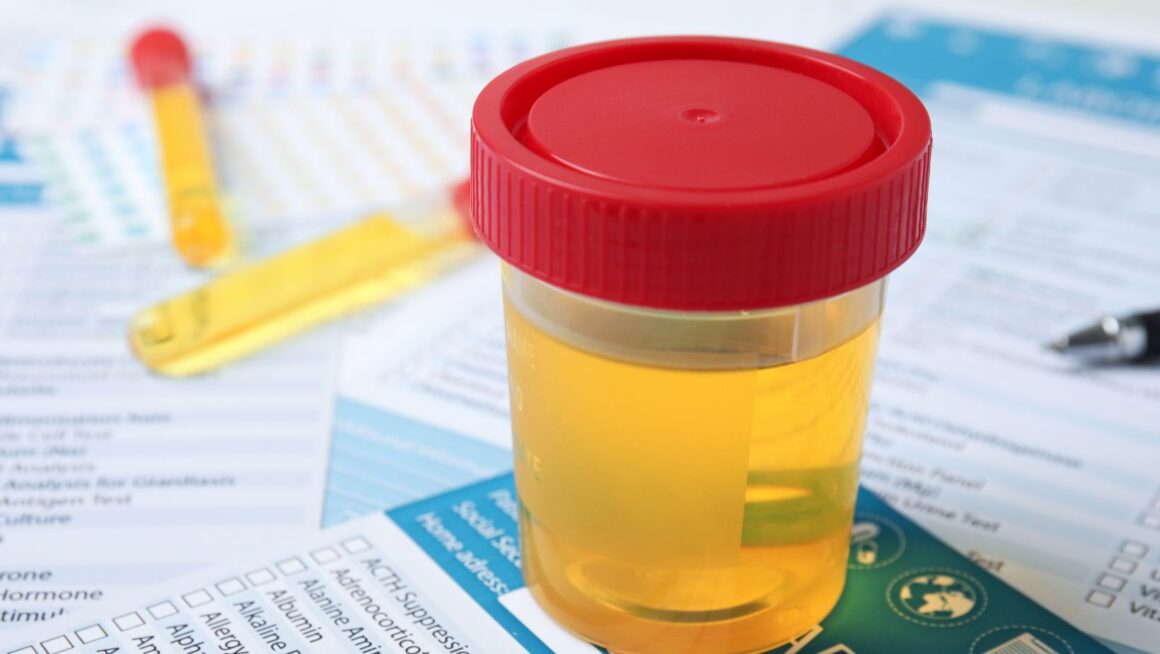
The most widely used method. It identifies current substance use but does not identify impairment during the test. It is fast, non-invasive, and conducted in accordance with standard practices to ensure privacy and accuracy.
2. Saliva (Oral Fluid) Testing
Usually used in random and on-site testing, as it can detect more recent drug use, even hours ago. It is easy, quick, and supervised.
3. Breath Alcohol Testing
A breathalyser is a device used to measure current alcohol concentration. It is a test administered at a roadside location, with instant results.
4. Hair Testing
Applied to identify more lasting trends of substance use in a few industries. It does not gauge impairment, but it can determine use over months.
5. Blood Testing
Rarer and commonly applied in case of a need for clarification. Blood provides the most accurate determination of active substances; however, it must be administered in a clinic.
Before the assessment commences, you will be notified of the test method.
What Happens During the Test: Step-by-Step Process
The following is the normal process of a drug and alcohol testing assessment:
1. Identity Check
You will bring identification, e.g., a driving licence or a company identification. This ensures the sample is allocated correctly.
2. Explanation of the Process
The collector describes the testing procedure, what they are testing, and/or any procedures you will be required to undertake.
3. Sample Collection
You might be asked to provide a urine sample, an oral fluid sample, a breath test, or a hair sample, depending on the type of test. There are stringent chain-of-custody rules, which guarantee accuracy and a level playing field.
4. Initial Screening
Certain tests (such as breath and saliva tests) can be obtained instantly. Laboratory confirmation is performed on others.
5. Confidential Reporting
Findings are communicated to the employer or other authorised persons; they are not communicated to colleagues or managers without authorisation. One of the major components of this process is privacy.
The Golden Rules of Sample Collection
Whichever way it is conducted, there are strict chain-of-custody procedures that govern it. The steps are aimed at securing the employer and the employee and ensuring that the sample cannot be tampered with and that the results are legally provable.
Rule 1: Identification and Consent
At this stage you will have to provide photo identification (such as a driving licence) and to read and sign the documents confirming your agreement to take the test and your personal information.
Rule 2: Integrity First
The collector will make visible actions to ensure that the sample is hers. In the case of urine testing, it would be to lock the restroom. In oral fluid, collection occurs by direct observation. This is the norm, not an implication of mistrust.
Rule 3: Sealing and Documentation.
After the sample is collected, it is immediately sealed with tamper-proof tape in your presence. You will sign the seal and the related forms. All these links your ID to the sample bottle, ensuring the chain of custody is not breached until it reaches the lab.
Rule 4: The Medical Review Officer (MRO)
In case of a positive test result, this is not instantaneously reported to your employer. It is then referred to the Medical Review Officer (MRO). The MRO is a licensed doctor who calls you in secret and tells you about the outcome. Here is where you can offer sound medical reasons, e.g., a prescription drug that may have led to the outcome. If the user has a valid prescription, the MRO records the outcome as negative or non-negative for the employer.
Common Myths And the Truth
There are plenty of misconceptions about workplace testing. Let’s clear up the big ones:
“If I drink lots of water, I’ll flush everything out.”
Incorrect. Labs can detect diluted samples, and you may be asked to retest.
“I’ll know the day before, so I’ll just prepare then.”
Random testing is designed to be unpredictable. Waiting until the last minute won’t help.
“Prescription medication will cause me to fail.”
Medical professionals verify legitimate prescriptions.
“Testing is designed to catch people out.”
Testing exists to protect employees, not penalise them unfairly.
Final Thoughts
Your first workplace drug test doesn’t need to be stressful. By understanding the purpose of drug and alcohol testing, knowing what to expect, and preparing appropriately, the experience becomes simple.
Workplaces use testing because safety matters and ensuring every team member is fit for duty protects you, your colleagues, and the broader work environment.
Go in prepared, communicate openly, and treat it as what it is: another routine part of working in a safety-conscious industry.
About the Author