Healthcare used to move slowly. A doctor wrote notes by hand. A patient waited. Then waited again. Today, the screen lights up first. A message arrives before the appointment. A reminder follows. A lab result appears at midnight.
This is the digital health age.
It did not start with one big invention. It came in pieces. Apps. Portals. Wearables. Video calls. Step by step, medical care changed its shape. And with this change, something else had to change too: patient awareness.
Being aware now means more than knowing your symptoms. It means understanding data. It means asking better questions. It means knowing where information comes from, and when not to trust it.
The flood of information: help and trouble at the same time
Type one symptom into a search engine. You will get millions of results. Some are useful. Some are wrong. Some are scary for no reason. This is the new problem.
So what should a patient do? First, learn to check sources. A hospital website is not the same as a random blog. A national health organization is not the same as an influencer. This becomes especially relevant when searching for specific services, such as an affordable ivf clinic, where pricing, credibility, and medical standards can vary widely online. Second, remember this rule: online information is a starting point, not a final answer. Good healthcare still depends on real professionals.
Digital tools that changed daily medical life

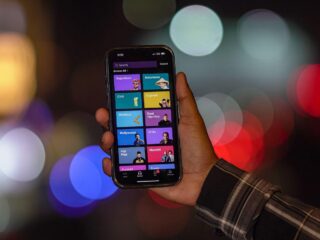
Digital tools used in medicine can be roughly divided into specialized and general. General tools include live video chat. It allows you to join a global video chat community and talk to strangers, as well as set up a video call with a doctor from home. Moreover, it’s safe, provided you choose a platform that emphasizes anonymity and privacy.
Below are more specialized technologies that are actively used in medicine.
Patient portals
These are websites or apps where you can see your test results, prescriptions, and visit notes. In many countries, more than 60% of hospitals use them. They save time. They reduce mistakes. They also push patients to be more involved.
Wearable devices
Watches that count steps. Rings that track sleep. Devices that measure heart rate all day. In 2024, more than 500 million people worldwide used some kind of health wearable. These tools turn the body into a stream of data.
Telemedicine
Video visits are no longer strange. During the COVID-19 period alone, researchers recorded a 300% increase in their use in the regions. People with minor health complaints continue to use this method.
When data becomes personal
A blood test used to be just a piece of paper. Now it is a file. It can be shared in one click. It can also be leaked in one click.
Health data is among the most sensitive types of information. It tells a story about your body. About your habits. About your risks.
The doctor-patient relationship is changing
Some people fear that screens will replace human contact. That is not what usually happens. What changes is the balance.
Before, the doctor had almost all the information. Now the patient often arrives with printouts, screenshots, and questions. Sometimes good ones. Sometimes confusing ones. This can be positive.
Studies show that when patients ask informed questions, the quality of care improves. Mistakes become less likely. Treatment plans become more realistic.
Education as the missing piece
Technology moves fast. People do not always move with it. This creates a gap. Older patients often struggle with apps and portals. Younger patients often trust the internet too much. Both groups can make mistakes.
That is why health education must change. Not only in schools. Also in clinics. Also online. Simple guides. Clear language. Short videos. Real examples. A patient who understands the system uses it better. And safer.
Inequality in the digital health world
Access to information is perceived by many as a constant, but in reality, it’s a variable. Not everyone has fast internet or modern devices. Others simply lack the necessary skills. This is the “digital divide” in its purest form.
According to the World Bank, about 2.6 billion people still have limited or no access to the internet. If healthcare becomes only digital, these people are left behind.
Patient awareness must include social awareness too. A good system offers both digital and traditional paths.
Small habits that build strong awareness
You do not need to become a medical expert. But you can do a few simple things:
- Keep a list of your medications
- Write down questions before a visit
- Check the source of health information
- Ask for explanations in simple words
- Review your online records from time to time
These habits take minutes. Their effect can last years.
Looking forward: a more active patient
The future of healthcare is not only about better machines. It is about better cooperation.
Statistics already point in this direction. Programs that involve patients in managing chronic diseases reduce hospital visits by up to 20–30% in some studies. That saves money. It also saves energy. And sometimes, it saves lives.
A simple conclusion
In the digital health era, technology should strengthen—and never replace—human care. Patient awareness means reading your information, asking clear questions, and knowing when to act and when to pause. Small, consistent habits (reviewing records, keeping a medication list, requesting plain-language explanations) make care safer and more effective. When technology, medicine, and wellness work together, the person stays at the center. Digital tools are powerful—but the real priority is the person who uses them.
About the Author