Why Wrinkles Form Over Time
Wrinkles develop as a result of repeated muscle movement, gradual collagen loss, and changes in skin elasticity. Facial expressions such as frowning, squinting, and raising the eyebrows create folds in the skin. Over time, the skin struggles to rebound as efficiently as it once did. Collagen production slows, hydration levels decrease, and external factors such as sun exposure further weaken skin structure. These combined processes explain why expression lines tend to appear first and deepen gradually.
As these lines settle in, many people begin looking for options that address the cause rather than the surface. That interest has driven steady growth in injectable treatments, particularly those that target muscle activity directly.
The Role of Muscle Activity in Facial Lines
Facial muscles attach directly to the skin, unlike most muscles in the body. When these muscles contract repeatedly, they pull on the skin above them. Early on, lines only appear during movement. With time, they remain visible even at rest. This pattern explains why areas such as the forehead, glabella, and outer corners of the eyes tend to show aging first.
Injectable wrinkle treatments focus on interrupting this cycle. By reducing how strongly certain muscles contract, the skin has a chance to relax. As tension decreases, lines soften and may fade gradually, especially when treatment begins before wrinkles become deeply set.
How Injectable Treatments Interact With Nerves
Wrinkle-reducing injectables work at the junction between nerves and muscles. These treatments limit the release of acetylcholine, a chemical messenger responsible for muscle contraction. When this signal is reduced, targeted muscles contract less often and with less force.
This process does not affect sensation or overall facial function. The goal is controlled relaxation rather than immobilization. When applied correctly, surrounding muscles continue to function normally, which allows natural expression to remain intact while reducing unwanted lines.
Timing and Onset of Results
Results do not appear instantly. Most patients begin to notice changes within three to seven days. Muscle relaxation increases gradually as the injectable takes full effect. Maximum results typically appear around two weeks after treatment.
This timing matters for planning. Many practitioners recommend follow-up evaluations after the initial period to confirm symmetry and effectiveness. Minor adjustments can be made when needed, which helps maintain balanced results rather than overcorrection.
Areas Commonly Treated With Injectables
The forehead is one of the most common treatment areas due to frequent muscle movement. Vertical lines between the eyebrows respond well for the same reason. Crow’s feet form from repeated eye movement and also tend to soften predictably with treatment.
Lower face applications require more caution. Areas around the mouth influence speech and expression. Practitioners adjust dosage carefully to avoid affecting daily function. This precision highlights why anatomical knowledge plays a critical role in treatment success.
Professional Wrinkle-Reducing Treatments
Professional Wrinkle-Reducing Treatments Explained
Access to professional wrinkle-reducing treatments ensures product consistency, proper storage, and traceable sourcing. These factors directly affect treatment reliability. Injectable products must meet strict manufacturing standards to maintain potency and safety. Proper handling protects the product’s stability before it reaches the patient.
Clinics that rely on verified suppliers also benefit from predictable outcomes. Practitioners can plan dosage and placement with confidence, which supports more controlled muscle relaxation and consistent results across treatment cycles.
What a Typical Appointment Looks Like
A standard appointment usually lasts thirty to forty minutes. The practitioner begins by reviewing facial movement patterns and discussing treatment goals. The skin is cleansed and injection points are marked to guide placement.
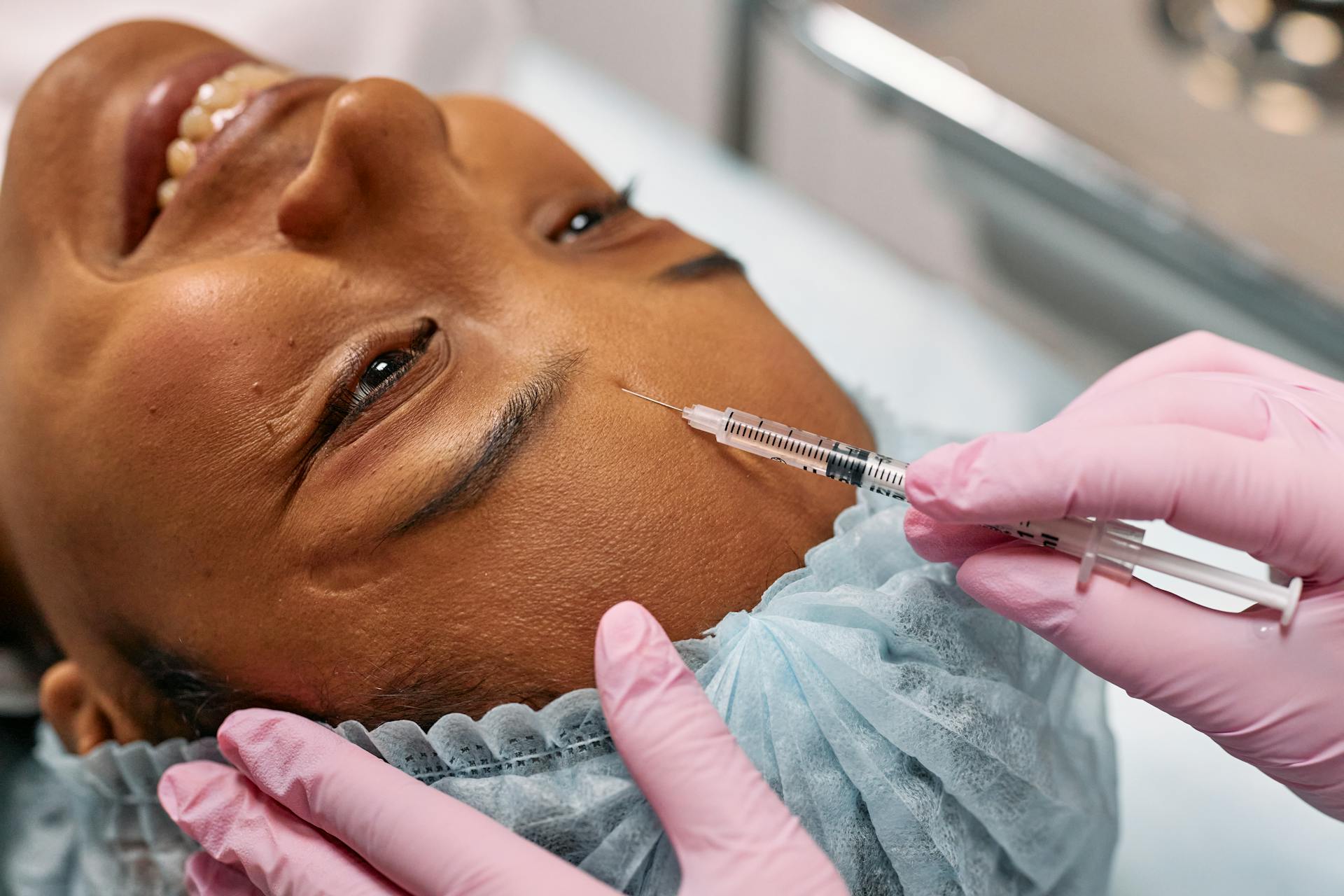
Very fine needles are used to place small amounts of product into specific muscles. Most patients describe the sensation as mild and brief. No anesthesia is required, though topical numbing cream may be applied for comfort.
After treatment, patients are advised to remain upright for several hours and avoid massaging the area. These precautions help prevent unwanted product movement and support even distribution.

Recovery and Short-Term Effects
Mild redness or swelling can appear at injection sites. These effects usually resolve within a day or two. Small bruises may occur, especially in sensitive areas, though they fade quickly.
Normal activities can resume the same day. Exercise and heat exposure are often postponed for twenty four hours to limit irritation. These steps allow the treatment to settle properly and reduce the risk of uneven results.
How Long Results Typically Last
Wrinkle-reducing injectables are temporary. Most effects last three to six months. Muscle activity gradually returns as nerve signaling recovers. This process happens slowly rather than suddenly, which allows lines to reappear gradually.
Repeat treatments help maintain results. Many patients notice that lines appear softer over time with consistent care. Reduced muscle strength between sessions can slow the return of deep creases.
Safety Considerations and Practitioner Skill
Injectable treatments have a strong safety profile when administered correctly. Serious complications are rare but can occur if products are misused or improperly placed. This risk makes practitioner training essential.
Qualified providers understand facial anatomy, dosing limits, and how to respond to unexpected reactions. Patient screening also matters. Medical history, medications, and prior cosmetic treatments influence safety and outcomes.
Limits of Injectable Wrinkle Treatments
Injectables reduce muscle-driven wrinkles but do not correct all signs of aging. Deep volume loss, loose skin, and structural bone changes may require other approaches. Honest consultations help align expectations with realistic outcomes.
Some wrinkles caused by sun damage or gravity respond better to resurfacing treatments or volume restoration. Injectables remain one part of a broader facial care strategy rather than a complete solution.
Combining Treatments for Balanced Results
Many practitioners integrate wrinkle-reducing injections with skincare routines or other non-invasive procedures. Muscle relaxation can improve how the skin responds to topical products by reducing constant folding.
Careful planning prevents overtreatment. Spacing procedures allows the face to adjust naturally. This step-by-step approach supports long-term balance rather than dramatic short-term change.
Long-Term Planning and Maintenance
Facial aging continues over time, which makes regular assessment important. Practitioners often adjust treatment plans based on changes in muscle activity, skin quality, and facial proportions.
Consistency matters more than frequency. Proper intervals allow muscles to recover while maintaining smoother skin. Patients who follow structured plans tend to achieve more stable results over the years.
Injectable treatments work by addressing the physical mechanics behind wrinkle formation. Through precise muscle relaxation, they reduce repetitive folding and give the skin time to rest. When delivered by trained professionals using verified products, these treatments provide a controlled and predictable way to manage expression lines while preserving natural facial movement.
About the Author