Facial aesthetics has shifted steadily toward treatments that respect natural structure and skin biology. Injectable fillers based on hyaluronic acid now play a central role in this approach because they work with substances already present in the body. Rather than creating sudden visual change, these fillers focus on restoring balance, hydration, and support in areas affected by time and environmental exposure. This foundation explains why hyaluronic acid fillers are often chosen as a first or ongoing option in non-surgical facial care.
The growing use of these fillers also reflects changes in patient expectations. People increasingly look for treatments that allow flexibility, predictable outcomes, and gradual adjustment. Hyaluronic acid fits this model well because it integrates into tissue and breaks down naturally. This behavior allows results to adapt as facial structure continues to change over the years.
What Hyaluronic Acid Does in the Skin
Hyaluronic acid is a molecule found naturally in skin, joints, and connective tissue. Its primary role involves water retention, as it binds moisture and supports skin elasticity. With age, natural levels decline, which contributes to dryness, volume loss, and reduced skin resilience. Injectable fillers replace this lost support in a controlled way.
Once placed beneath the skin, hyaluronic acid fillers attract water and expand slightly. This action creates a cushioning effect that supports surrounding tissue. Because the substance is already familiar to the body, reactions tend to be limited when products are manufactured and applied correctly. This biological compatibility underpins their widespread clinical use.
How Hyaluronic Acid Fillers Are Made
Modern fillers rely on laboratory-stabilized hyaluronic acid. Natural hyaluronic acid breaks down quickly, so manufacturers modify it through a process called cross-linking. This process controls firmness and longevity by adjusting how tightly the molecules bind together.
Different levels of cross-linking serve different purposes. Softer gels suit superficial lines and delicate areas, while firmer gels support deeper structural zones such as the cheeks or jawline. This range allows practitioners to match product behavior with facial anatomy, which supports safer outcomes and better integration.
Safety Standards and Regulatory Oversight
Safety begins long before a filler reaches a clinic. Reputable manufacturers follow strict quality controls, including sterilization, purity testing, and batch traceability. Regulatory approvals often require extensive clinical data on durability and adverse event rates. These safeguards reduce the likelihood of unpredictable reactions.
Clinical safety also depends on storage and handling. Hyaluronic acid fillers must be stored within specific temperature ranges to maintain consistency. Clinics that follow supplier guidelines reduce contamination risk and ensure the product behaves as intended during injection.
Treatment Planning and Facial Assessment
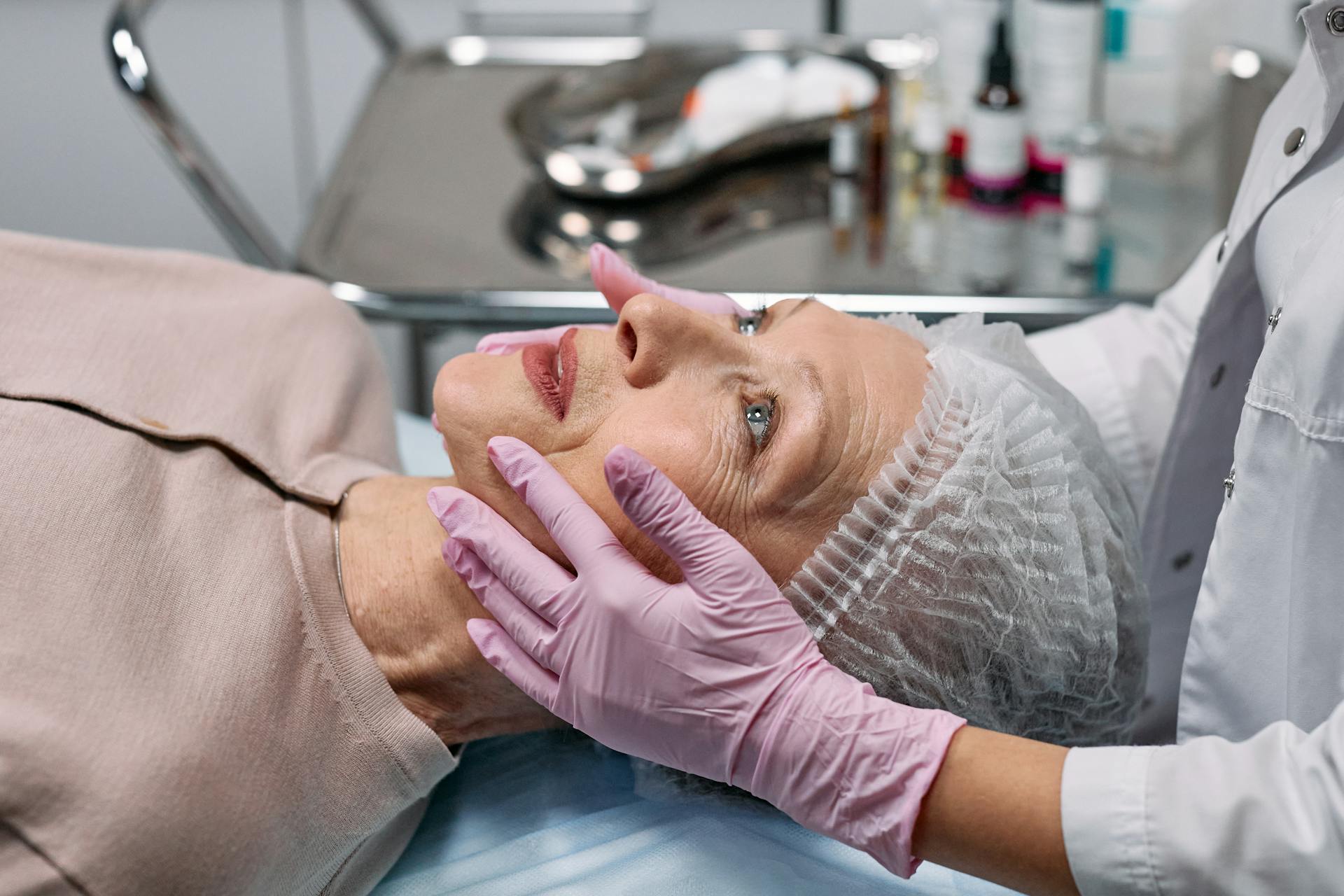
Every effective filler treatment starts with a detailed assessment. Facial anatomy varies significantly between individuals, even among those of similar age. Bone structure, fat distribution, and muscle activity influence how fillers settle and how long results last.
Practitioners typically evaluate facial symmetry, skin thickness, and movement patterns before selecting a product. This evaluation informs injection depth and placement strategy. Careful planning limits complications such as uneven texture or vascular compromise, which supports both safety and appearance.

Injection Techniques and Patient Experience
Injection technique affects comfort as well as outcome. Practitioners may use fine needles or blunt cannulas depending on the treatment area. Slow, controlled placement allows the filler to integrate gradually, which reduces pressure and swelling.
Most patients experience mild redness or tenderness after treatment. These effects usually resolve within a few days. Because hyaluronic acid attracts water, treated areas may feel slightly firm at first, then soften as the filler settles. Follow-up visits help confirm that integration is progressing as expected.
Quality Restylane Filler in Clinical Use
Product Consistency and Reliability
Clinics often rely on established brands because consistency supports predictable results. Quality Restylane filler products are developed with specific gel textures designed for different facial zones. This structured range allows practitioners to select formulations based on depth, movement, and support requirements.
Restylane fillers are produced using stabilized hyaluronic acid with defined particle size. This design influences how the filler spreads within tissue and how long it maintains volume. Reliable behavior reduces the need for corrective procedures and supports steady outcomes over time.
Integration and Longevity
Once injected, Restylane fillers integrate with surrounding tissue rather than forming isolated pockets. This integration supports natural movement and reduces the risk of migration. Longevity varies depending on placement and formulation, with many results lasting between six and eighteen months.
Gradual breakdown allows adjustments at future appointments. This flexibility appeals to patients who prefer ongoing refinement rather than permanent alteration. The ability to dissolve hyaluronic acid fillers adds another layer of safety if changes are needed.
Common Treatment Areas for Hyaluronic Acid Fillers
Mid-face volume restoration remains one of the most common uses. Supporting the cheeks can improve overall facial balance and reduce strain on lower facial structures. This approach often leads to subtle improvement in surrounding areas without direct treatment.
Lips, under-eye hollows, and nasolabial folds also respond well to hyaluronic acid fillers when applied conservatively. Each area requires a tailored approach due to differences in skin thickness and movement. Proper technique supports smooth texture and reduces visible irregularities.
Aftercare and Recovery Factors
Aftercare plays a role in how fillers settle. Patients are usually advised to avoid intense physical activity, heat exposure, and pressure on treated areas for a short period. These measures help prevent displacement and excessive swelling.
Hydration supports hyaluronic acid performance since the molecule relies on water binding. Gentle skincare routines reduce irritation during the early recovery phase. Follow-up assessments allow practitioners to evaluate symmetry and make small refinements if needed.
Long-Term Use and Maintenance Planning
Hyaluronic acid fillers function best within a long-term treatment plan. Facial aging continues gradually, which means periodic reassessment remains important. Adjusting product choice and placement over time helps maintain balance without overcorrection.
Spacing treatments appropriately protects tissue health. Allowing fillers to degrade naturally before re-treatment reduces the risk of buildup. This measured approach supports both safety and consistent appearance across years of care.
Why Hyaluronic Acid Fillers Remain a Preferred Option
The continued use of hyaluronic acid fillers reflects their adaptability and biological compatibility. Their reversible nature offers reassurance for both patients and practitioners. Predictable behavior combined with detailed product ranges supports individualized treatment strategies.
As research advances and techniques improve, these fillers remain a central tool in non-surgical facial care. Their role lies in supporting facial structure, hydration, and balance through controlled application and ongoing evaluation. This steady approach aligns with current priorities in aesthetic medicine: safety, precision, and long-term planning.
About the Author