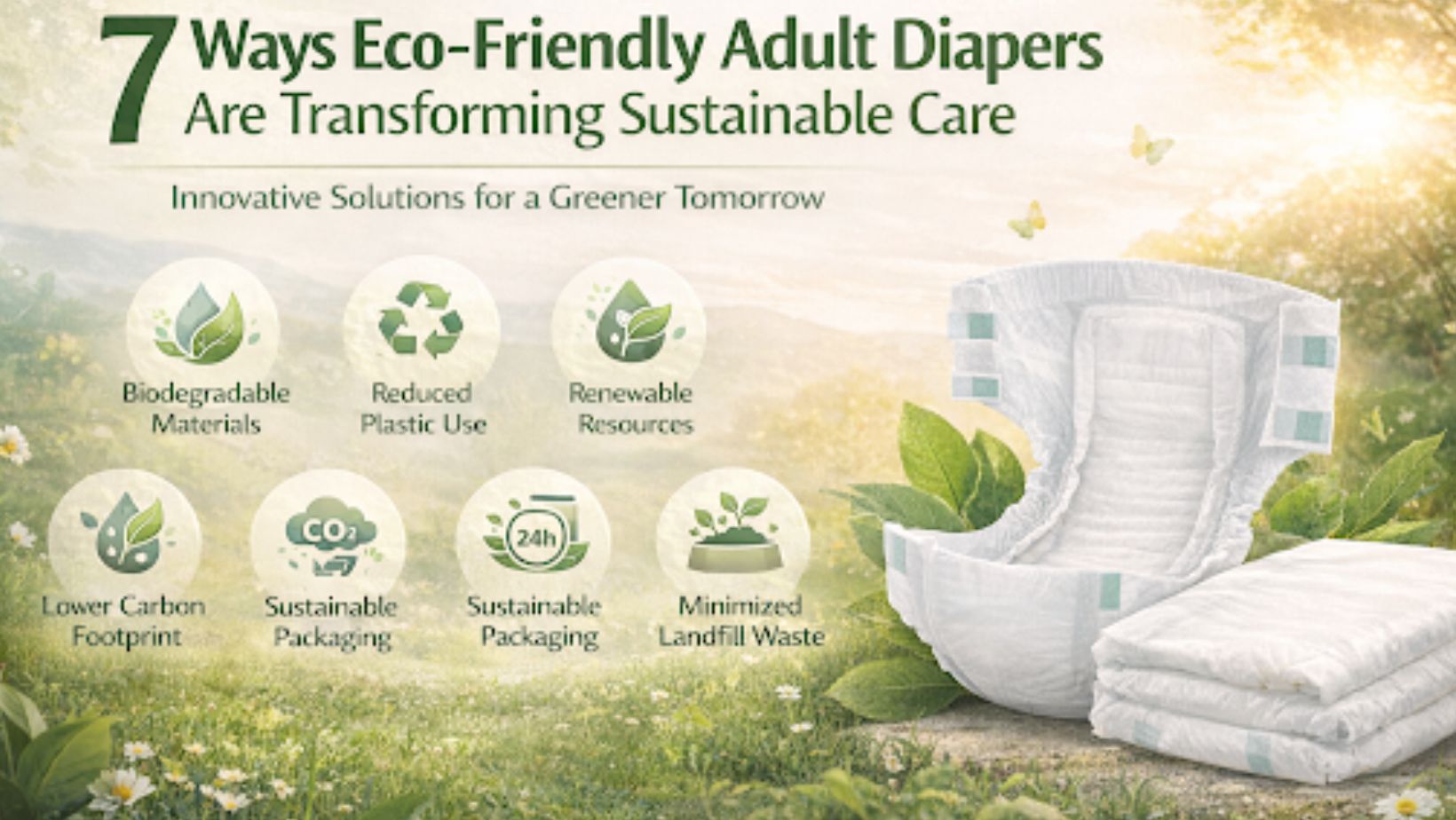
Eco-friendly incontinence briefs have been around much longer than you can imagine. While largely believed to have been pioneered by Swedish brand Naty in 1994, the concept of biodegradable adult diapers goes way back.
However, the idea of eco-sustainable incontinence briefs truly caught on post-2010s, thanks to a growing awareness of the environmental impact of fossil-based plastics.
Investing in a biodegradable adult diaper isn’t only a significant step towards incontinence management. It lets you deal effectively with the condition while conserving Mother Earth, a thoughtful tribute to a planet in peril.
Wondering if eco-friendly incontinence briefs are truly worth the hype?
This post shall help put your concerns at ease. Read below as we unpack why biodegradable adult diapers are contributing to environmental conservation efforts.
1. Easing the Strain on Landfills
According to the World Economic Forum, about 300,000 diapers are disposed of every minute worldwide. Most of these diapers are either incarcerated or wind up in landfills, causing severe environmental impact.
The United States is not only one of the largest adult diaper consumers. It also accounts for a significant percentage of diapers that end up in landfills, a staggering 27 billion annually.
Switching to sustainable briefs is the surest way to lower these worrying statistics. Eco-friendly adult diapers break down much faster, reducing the sheer volume of solid waste sitting in our landfills.
2. Accelerating Biodegradability
Estimates suggest that regular plastics can take up to 500 years to fully break down. That’s over five human generations, underscoring the toxic nature of non-biodegradable materials.
As humans relentlessly encroach on what’s left of the natural environment, we may soon run out of spaces to dispose of non-biodegradable consumables like adult diapers.
Fortunately, eco-friendly incontinence briefs contain natural materials that break down within weeks. Faster decomposition means fewer pile-ups in landfills.
3. Promoting Safe Composting
Synthetic fertilizers don’t come cheap. Besides, these products contain highly poisonous chemicals.
Agricultural produce cultivated using inorganic fertilizers often features harmful residues that might pose long-term health risks. These toxic compounds may also leach into the soil, hurting the local flora and fauna.
For incontinence patients, a safer solution lies in ditching traditional briefs for eco-sustainable diapers.
The materials used in most eco-friendly diapers are compostable. Rather than toss soiled diapers into the trash, why not convert them into affordable, nutritious manure for your wellness garden?
4. Minimizing Exposure to Toxic Chemicals
Non-degradable adult diapers are typically manufactured from plastics, making them highly harmful to Planet Earth.
Plastic takes centuries to decompose. By the time one fossil fuel-based diaper finally breaks down, thousands would have piled up in the same landfill.
Even worse is that plastic releases harsh chemicals like chlorine, fragrances, and dyes. These toxins can leach into the soil and groundwater, interfering with local biodiversity.
Inhaling chlorine fumes can trigger severe respiratory illnesses. Meanwhile, long-term exposure to the dyes and fragrances in regular diapers may be carcinogenic.
5. Fostering Use of Renewable Materials
Many eco-friendly incontinence briefs are made from natural raw materials, with cotton and wood pulp being the most preferred options. Both materials are incredibly absorbent. They wick urine away from your skin, extending diaper wear time.
Cotton especially stands out for its superior breathability. The material promotes air circulation through a diaper, combating harmful bacteria.
More importantly, the natural fabrics in eco-friendly diapers derive from renewable sources. The raw materials can be sourced indefinitely without depleting their reserves, unlike fossil fuel-based plastics.
What’s more – you can do yourself one better by opting for bamboo adult diapers. Bamboo grows faster compared to cotton. Briefs made from this material also feel softer on the skin, are more breathable, and stand up remarkably well to multiple washes.
6. Supporting Sustainable Forestry
Manufacturing eco-friendly adult diapers doesn’t merely consist of utilizing natural raw materials.
To uphold good manufacturing practices (GMP), many brands insist on Forest Stewardship Council (FSC)-certified wood pulp. This promotes sustainable forestry, fostering environmental conservation at source.
Some key FSC principles include protecting endangered species, enhancing biodiversity, and combating illegal logging.
7. Lowering Carbon Footprint
Conventional adult diaper manufacturing is a resource-intensive process.
First, it takes considerably more energy to produce plastics compared to natural fabrics like cotton. The fact that the final products are non-recyclable means even higher energy is expended producing more briefs to keep up with the market demand.
The net effect?
High emission of greenhouse gases (GHG).
Eco-friendly adult diapers require less energy to produce. This minimizes GHG emissions, considering that much of the manufacturing still relies on fossil fuels.

Fostering Environmental Conservation with Eco-friendly Diapers
Conserving Planet Earth doesn’t require joining fancy conservationist groups. If you’ve been diagnosed with incontinence, you can make a lasting impact by switching from plastic-based briefs to biodegradable adult diapers.
Eco-friendly briefs readily decompose into the soil, easing the strain on our landfills. These products are particularly desirable if they come in reusable diapers.
Reusable diapers can last several months before winding up in landfills. And when they finally do, these briefs release less toxic compounds to the immediate surroundings.
Eco-friendly adult diapers also utilize raw materials from responsibly managed forests. The fact that these briefs rely on natural fabrics makes them exceptionally comfortable to wear; hence, they are suitable for users with sensitive skin.
About the Author