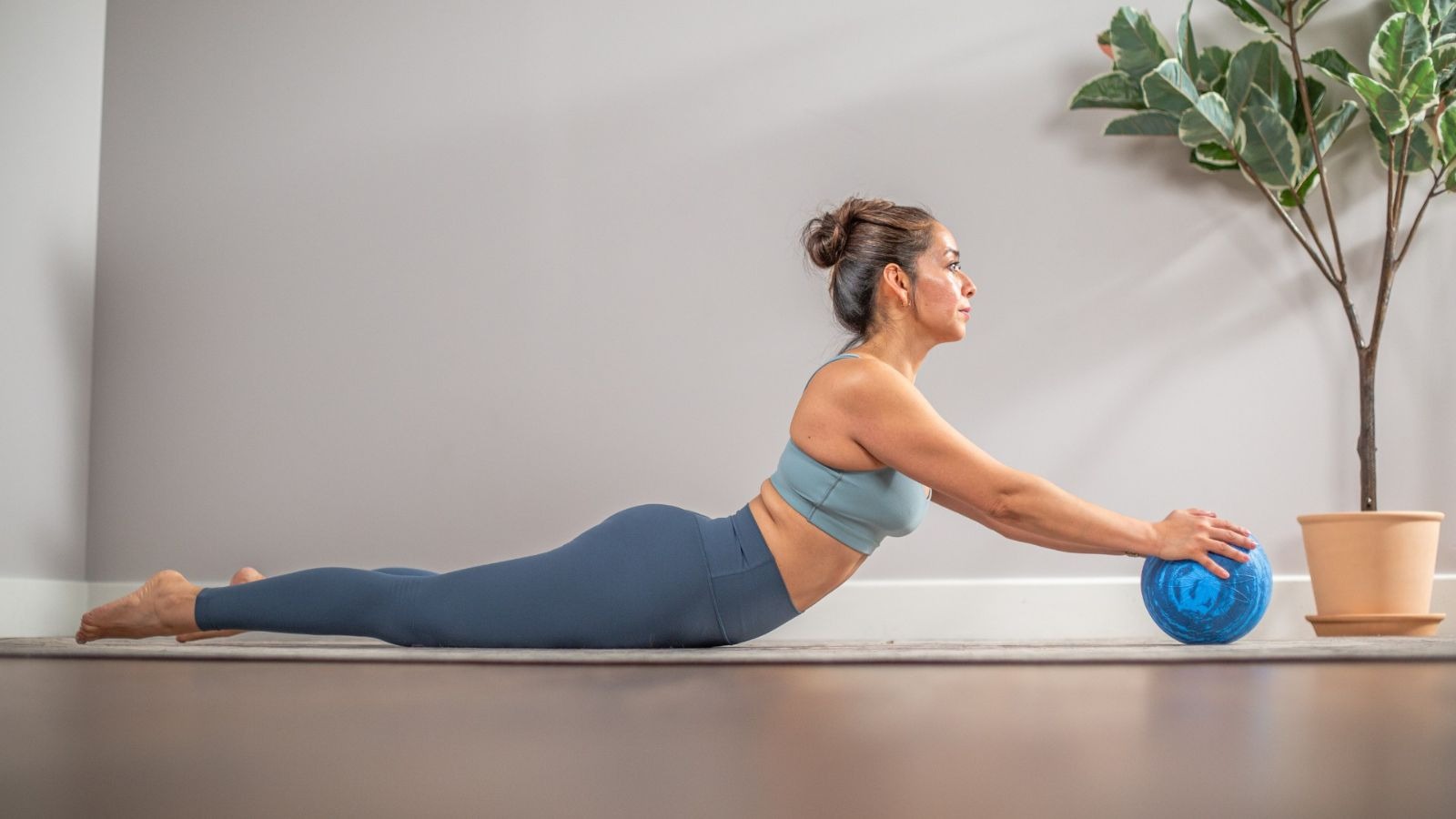
Pilates rarely appears in discussions about rapid weight loss, calorie burning, or intensive “dropping kilos.” And that is a good thing. It is not a form of training that promises immediate visual results at the expense of health, overload, and constant fatigue. Yet many people who practice Pilates regularly notice gradual weight reduction, a slimmer silhouette, and improved body proportions.
The real question, then, is not so much whether Pilates helps with weight loss, but how it affects body weight and why the results are often more sustainable than those achieved through many intense weight-loss programs. The answer lies in understanding the mechanisms behind movement, metabolism, and tension regulation in the body—rather than simply counting burned calories.
Does Pilates help you lose weight?
Pilates is not designed primarily for calorie burning in the way classic cardio, interval training, or aggressive fat-loss programs are. During a single session, there is no sharp spike in heart rate or a large energy deficit that would immediately translate into weight loss. From the outside, Pilates may therefore seem “too gentle” to support weight reduction, especially when compared to more dynamic forms of exercise.
However, this perspective overlooks a crucial fact: weight loss is not determined solely by the number of calories burned during one hour of movement. It is a process influenced by nervous system regulation, hormonal balance, chronic stress levels, recovery quality, and the way the body manages energy over the entire day. Pilates acts precisely on these often-ignored areas that, in practice, determine whether the body is willing to release excess weight.
As a result, Pilates does not aggressively “burn fat” or force rapid weight loss. Instead, it creates conditions in which the body begins to function more efficiently, calmly, and consistently. Over time, this supports weight reduction without overloading the nervous system and without triggering defensive responses, such as water retention or compulsive eating.
Why doesn’t the scale always change while the body does?
One of the most common surprises for people starting regular Pilates practice is that the number on the scale may initially stay the same, even though the body clearly looks different. This can be frustrating for those focused solely on numbers, but it is a natural consequence of changes in movement quality, muscle tension, and posture—not a lack of training effectiveness.
Pilates reorganizes how the body positions itself in space and responds to gravity. As the alignment of the pelvis, rib cage, and spine improves, the body naturally appears longer and leaner, even without actual weight loss. The abdomen stops being pushed forward, the shoulders drop, the spine lengthens, and tensions that previously distorted the body line gradually decrease. This is a structural change, not merely a cosmetic one.
Only in the next phase—when the body no longer operates in a state of chronic tension and stress—does true weight reduction often begin. This frequently happens without drastic dietary changes or increased training volume, because the body no longer feels the need to “defend itself” against an energy deficit. Weight loss becomes a result of regulation rather than a fight against the body.
Pilates and metabolism
Pilates does not accelerate metabolism abruptly or temporarily. Instead, it regulates metabolic function, which is far more relevant in the context of weight loss. A body overloaded by intense training, caloric restriction, and chronic stress often responds defensively: slowing metabolism, retaining water, fluctuating energy levels, and increasing appetite. In such a state, the body does not “cooperate” with weight loss, even if dietary rules are followed perfectly. Regular Pilates practice supports metabolism indirectly but consistently by creating an environment conducive to stable reduction. In practical terms, Pilates:
- reduces chronic stress levels,
- improves sleep quality and nighttime recovery,
- supports hormonal balance,
- teaches the body more efficient energy use.
In this state, weight loss is no longer perceived as a threat. The process is not dramatic or spectacular, but it becomes stable, predictable, and resistant to the yo-yo effect, which is crucial over the long term.
The role of tension and the nervous system in weight loss
One of the most overlooked aspects of weight reduction is the role of the nervous system and chronic tension. A body in constant activation is reluctant to release energy stores because, biologically, it interprets this state as danger. Stress, lack of recovery, pressure to perform, and constant stimulation push the body into survival mode, where the priority is preservation, not reduction. Pilates addresses this mechanism indirectly yet very effectively. Precise movement, controlled tempo, and breath integration gradually calm the nervous system, supporting:
- better appetite regulation,
- reduced episodes of compulsive eating,
- more stable energy levels throughout the day.
As a result, weight loss stops being a battle against the body and becomes a process rooted in a sense of safety. Reduction begins not in the muscles, but in the nervous system, which decides whether the body can afford to release excess energy without activating defensive mechanisms.
Is Pilates enough to lose weight?
This is one of the most frequently asked questions—and one that depends heavily on context. Pilates can be sufficient for weight loss, but not in every situation or at every stage. The starting point of the body, previous lifestyle, nervous system load, and metabolic condition all matter. For people who have long lived under stress, overload, or movement limitations, Pilates is often the first form of exercise that actually allows weight loss to begin. Pilates can function as a stand-alone weight-loss tool especially when:
- the person was previously physically inactive,
- stress and muscle tension levels are high,
- pain or movement limitations are present,
- metabolism is “blocked” by overload and lack of recovery.
In other cases, Pilates works best as a foundation that prepares the body for more intense activity or supports maintaining a caloric deficit without excessive fatigue. It is not a workout “instead of everything,” but a method that makes other strategies more effective.
What weight-loss effects can Pilates produce?
The effects of Pilates in the context of weight loss rarely appear suddenly, but they are notably stable. Instead of rapid weight loss at the cost of dehydration, tension, or muscle loss, the body gradually changes how it manages energy. Fat reduction occurs alongside improved posture, appetite regulation, and tension control, which prevents rebound weight gain. The most commonly observed effects of regular Pilates practice include:
- gradual reduction of body fat,
- a slimmer waist and hips,
- reduced measurements without strength loss,
- improved posture and body proportions,
- smaller weight fluctuations,
- better appetite control and hunger awareness.
These results last because they are not produced by exhausting the body or forcing outcomes. Pilates changes how the body functions day to day—and that change determines the durability of weight loss.
Why does Pilates slim the body even when weight loss is slow?
Pilates influences the silhouette in ways that are not always reflected on the scale. This happens because it changes how muscles work both during movement and at rest. Deep stabilizing muscles begin to perform their role continuously, but without excessive tension. The body stops holding itself rigidly, posture reorganizes, and the visual effect is one of lightness and length.
The slimming effect of Pilates is not the result of aggressive calorie burning, but of better movement organization and reduced tension. The body line lengthens, the waist becomes more defined, and areas that previously appeared bulky due to stiffness or overload begin to soften. This is why many people notice changes in how clothes fit, even when body weight decreases slowly or temporarily stays the same.
Pilates and a caloric deficit
Pilates does not generate a large caloric deficit on its own, but it significantly supports maintaining one safely and sustainably. A body that is better recovered, less stressed, and more organized does not react defensively to reduced energy intake. Instead of retaining water or triggering intense hunger, it begins to cooperate with the reduction process. People who practice Pilates regularly often notice that their relationship with food changes naturally. The body:
- reaches for compensatory eating less often,
- tolerates smaller portions more easily,
- experiences satiety sooner,
- does not panic when calorie intake decreases.
This is why many people lose weight “along the way” with Pilates—without obsessive calorie counting and without constant internal conflict. The energy deficit is no longer forced; it arises from improved overall functioning.
Who benefits most from Pilates when losing weight?
Pilates is particularly effective for people who have already tried diets and intense workouts without lasting success. It suits those whose bodies no longer respond well to pressure and overload and who instead experience fatigue, tension, or health issues. Pilates does not attempt to “break through” resistance—it first restores regulation. The best results are often seen in people who:
- have experienced multiple unsuccessful dieting cycles,
- feel that intense training worsens their well-being,
- struggle with pain, stiffness, or past injuries,
- want to lose weight without a yo-yo effect,
- need supportive rather than depleting movement.
It is a method for those ready to shift from short-term struggle to long-term cooperation with their body.
Is Pilates a good workout for weight loss?
Pilates is not the fastest path to weight reduction, nor was it ever designed as an aggressive fat-loss method. It is, however, one of the safest and most sustainable forms of movement if the goal is not only to lose weight, but to improve how the body functions as a whole. By regulating tension, enhancing movement quality, and supporting the nervous system, Pilates creates conditions in which the body stops resisting change and begins to cooperate.
If the goal is to lose weight without exhausting the body, regain comfort in movement, improve posture, and maintain results for years, Pilates is one of the most rational choices. It does not promise quick results at the cost of health—it offers something far more valuable: a lasting change in the relationship with one’s body. Because real weight loss does not begin with burning calories—it begins with how the body feels in movement and whether it has the conditions to function without constant tension and struggle.
This post was created in collaboration with balanced-body.lv
About the Author