Understanding the Stakes in Medical Cold Chain Management
In medical research, consistency is everything. A slight variation in temperature or gas concentration can disrupt months of work, compromise biological samples, and delay critical discoveries. Behind the scenes, one of the most overlooked contributors to stability is carbon dioxide supply.
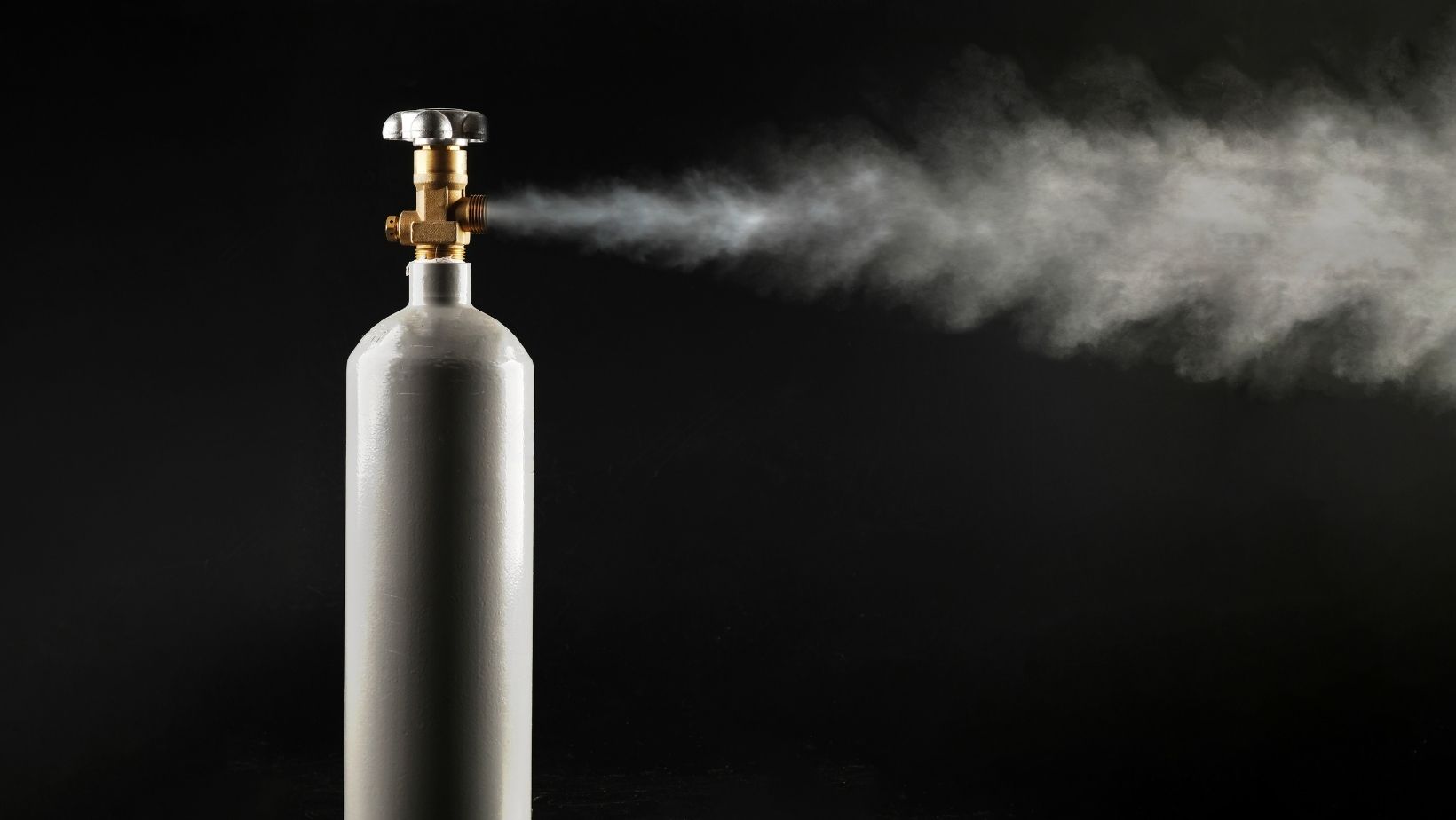
CO2 plays a central role in maintaining controlled environments, especially in incubators used for cell cultures and biological testing. These systems depend on steady pressure and precise delivery. When the supply falters, even briefly, the effects ripple across experiments, data integrity, and operational timelines.
Cold chain management often brings to mind refrigeration and transport logistics. Yet inside laboratories, it extends further. It includes the infrastructure that keeps conditions stable long after samples arrive. Gas delivery systems, particularly those supplying CO2, sit at the heart of that stability.
1. Why Pressure Consistency Matters More Than Most Realize
Laboratory incubators rely on exact CO2 concentrations to regulate pH levels in cell cultures. Even minor pressure fluctuations can alter the internal environment, affecting cell growth and experimental outcomes.
This is where dependable co2 gas cylinder suppliers become essential. The quality of a cylinder is not limited to its contents. It includes how consistently that gas is delivered over time. Pressure instability leads to recalibration issues, increased monitoring, and, in worst cases, lost samples.
In high-throughput labs, where multiple incubators operate simultaneously, inconsistency compounds quickly. A single unreliable cylinder can disrupt an entire workflow.
2. The Role of Valve Engineering in Long-Term Reliability
At the center of every cylinder is a component that rarely gets attention until it fails: the valve. It controls the release of gas, regulates pressure, and ensures safe operation.
Well-engineered valves are designed for durability under repeated use. In demanding lab environments, cylinders are frequently connected, disconnected, and adjusted. Each interaction introduces wear.
Advanced valve systems undergo rigorous cycle testing, often reaching benchmarks like 100,000 open-and-close cycles. This level of testing reflects real-world usage patterns and provides confidence that performance will remain stable over time.
Without that reliability, even a high-quality gas supply becomes unpredictable.
3. What 100,000-Cycle Testing Actually Means for Labs
Cycle testing is not just a technical metric. It directly translates to operational stability. A valve tested for 100,000 cycles ensures:
- Consistent gas flow across extended use
- Reduced risk of leaks or pressure drops
- Lower maintenance interruptions
- Greater safety for lab personnel
In practical terms, this means fewer disruptions. Lab managers spend less time troubleshooting equipment and more time focusing on research outcomes. This level of durability also supports long-term cost control. Equipment that lasts longer reduces replacement frequency and minimizes downtime.
4. Supporting Incubator Performance Through Stable CO2 Supply
CO2 incubators depend on precise environmental control. Temperature, humidity, and gas concentration must remain within narrow ranges. A stable CO2 supply allows incubators to maintain:
- Balanced pH levels in culture media
- Consistent cell growth conditions
- Reliable experimental replication
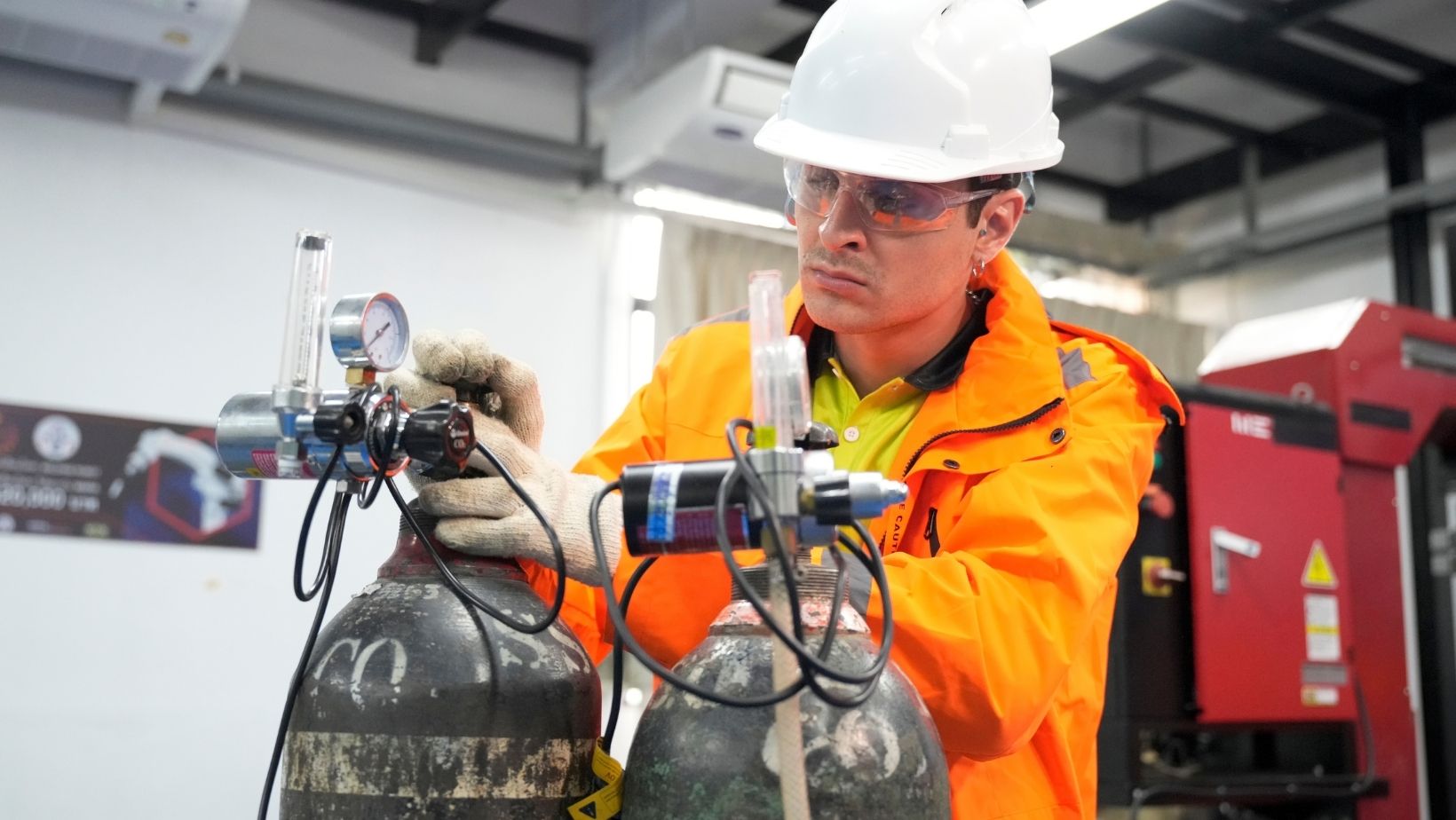
When gas delivery fluctuates, incubators compensate by adjusting internal systems. Over time, this added strain can affect performance and calibration accuracy. Reliable supply systems remove that burden. They allow incubators to operate as designed, without constant correction.
5. Cold Chain Integrity Extends Beyond Transportation
Cold chain discussions often focus on shipping conditions. However, once samples reach the lab, the responsibility shifts to internal systems. CO2 cylinders play a quiet but critical role in maintaining:
- Controlled storage environments
- Stable incubation processes
- Continuous experimental conditions
Any interruption at this stage undermines the entire cold chain. Samples that arrive in perfect condition can degrade if lab environments are unstable. This is why sourcing from experienced co2 gas cylinder suppliers becomes part of a broader quality strategy. It is not just about procurement. It is about protecting the integrity of research from start to finish.
6. Material Quality and Its Impact on Gas Delivery
Cylinder construction affects more than durability. It influences how gas is stored and released. High-quality materials ensure:
- Resistance to internal corrosion
- Consistent pressure retention
- Safe handling under varying conditions
Inferior materials can introduce contamination risks or pressure inconsistencies. In sensitive medical research, even trace contamination can alter results. Manufacturers that prioritize material integrity provide an added layer of confidence. Their cylinders support clean, stable gas delivery across a wide range of applications.
7. Designing for Real-World Lab Environments
Laboratories are dynamic spaces. Equipment moves, workflows evolve, and demands shift. CO2 cylinders must adapt to these conditions without compromising performance. Key design considerations include:
- Ease of handling and transport
- Compatibility with standard regulators
- Stability during storage and use
Well-designed cylinders integrate seamlessly into lab operations. They reduce friction in daily tasks and support efficient workflows. This practical reliability often separates average suppliers from those trusted by research institutions.
8. Reducing Risk Through Proven Manufacturing Standards
Consistency in manufacturing leads to consistency in performance. Suppliers that adhere to strict quality controls produce cylinders that behave predictably across batches. For lab managers, this predictability matters. It simplifies planning and reduces uncertainty.
Reliable manufacturing processes ensure:
- Uniform pressure characteristics
- Consistent valve performance
- Dependable safety features
These factors contribute to a smoother operational experience. They also support compliance with industry regulations and internal quality standards.
9. The Hidden Costs of Inconsistent CO2 Supply
Unreliable gas supply rarely shows up as a single, obvious problem. Instead, it creates a series of small disruptions that add up over time. Common consequences include:
- Repeated recalibration of equipment
- Increased maintenance workload
- Delayed research timelines
- Compromised experimental data
These issues carry both financial and reputational costs. In competitive research environments, delays and inconsistencies can impact funding, partnerships, and outcomes.Choosing dependable co2 gas cylinder suppliers helps avoid these hidden expenses. It supports smoother operations and more reliable results.
10. Aligning Supply Choices with Research Goals
Every laboratory has unique priorities. Some focus on high-volume testing, while others handle specialized, sensitive experiments. CO2 supply systems should align with these goals. When evaluating suppliers, decision-makers often consider:
- Proven reliability in demanding environments
- Evidence of rigorous testing standards
- Consistency across product lines
- Long-term performance track records
Suppliers that meet these criteria provide more than products. They offer stability that supports the broader mission of the lab.
Bringing It All Together
Medical research depends on precision, and precision depends on consistency. While attention often goes to advanced equipment and innovative techniques, foundational elements like CO2 supply deserve equal consideration.
From valve engineering to material quality, every detail contributes to the reliability of gas delivery. Features like 100,000-cycle testing are not just technical specifications. They represent a commitment to durability and performance in real-world conditions.
Cold chain management does not end at the lab door. It continues through every system that maintains controlled environments. CO2 cylinders, when designed and manufactured with care, become a quiet but essential part of that process.
For laboratories focused on accuracy and efficiency, choosing the right supply partner is a practical decision. It supports stable operations, protects valuable samples, and allows researchers to focus on what matters most: advancing their work with confidence.
About the Author