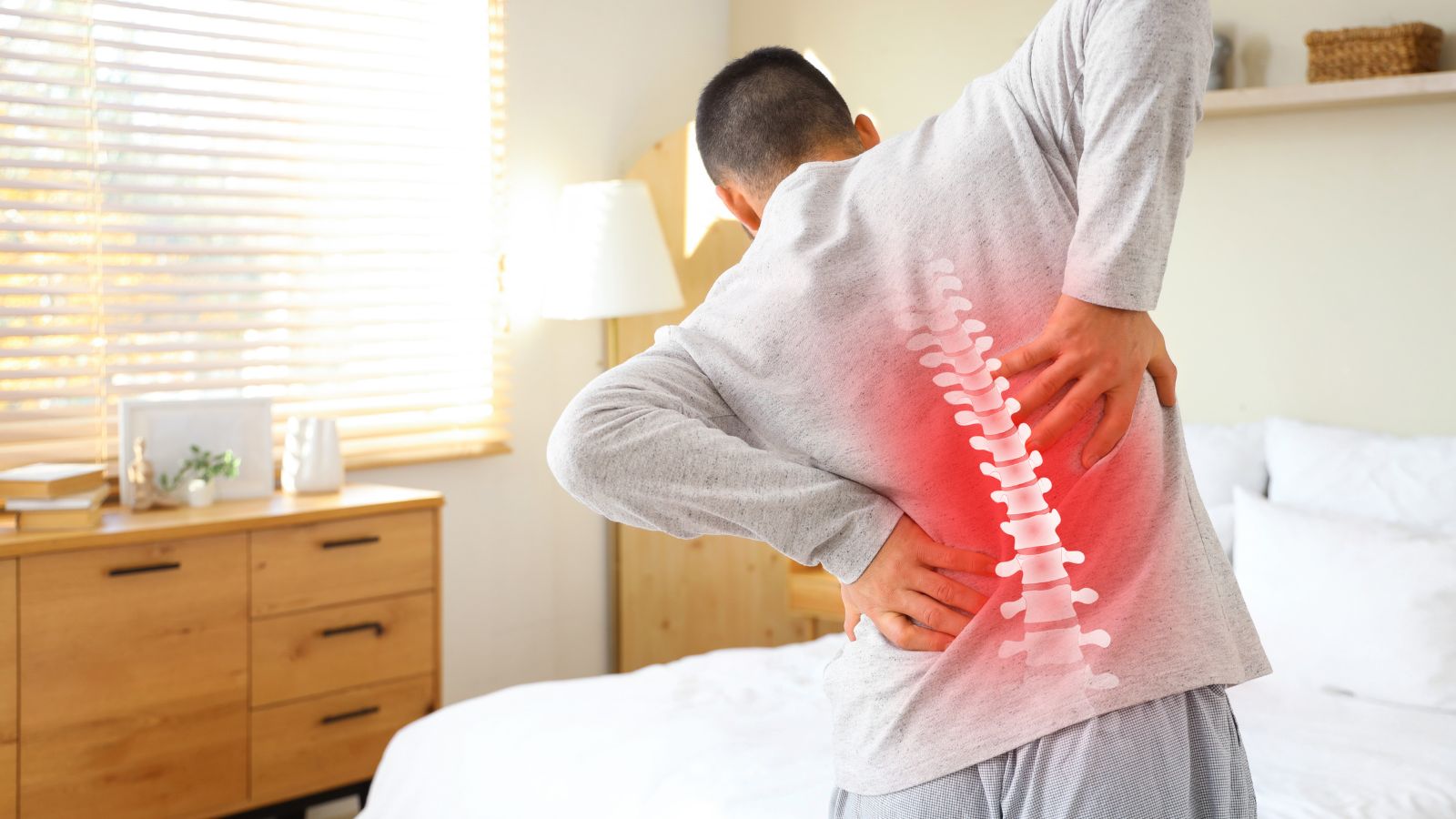
Yes, a hernia can cause back pain in some cases, depending on its type and location. Spinal (disc) hernias can directly trigger back pain, while abdominal hernias may contribute indirectly through muscle strain or posture changes.
If you experience sudden or severe back pain along with hernia symptoms, it’s important to get evaluated promptly at Eagle Pass Emergency Room to prevent complications and receive proper care.
What Is a Hernia?
A hernia occurs when an internal organ or tissue pushes through a weak spot in the surrounding muscle or connective tissue. If you suspect a hernia, it’s important to get evaluated at a trusted facility like Stat Specialty Hospital to ensure proper diagnosis and care.
The most common types include:
● Inguinal hernia (groin area)
● Umbilical hernia (near the belly button)
● Hiatal hernia (upper stomach pushing into the chest)
● Incisional hernia (through a surgical scar)
● Herniated disc (spinal disc pressing on nerves)
Which Types of Hernias Can Cause Back Pain?
1. Herniated Disc (Spinal Hernia)
This is the most common type of hernia that directly causes back pain. A herniated disc occurs when the soft, gel-like center of a spinal disc pushes through a tear in its tougher outer layer. These discs act as cushions between the vertebrae. When damaged, the protruding material can press on nearby spinal nerves.
Because the spine contains major nerve roots, even slight compression can trigger significant symptoms. Back pain from a herniated disc is often described as:
● Sharp or burning pain in the lower back
● Pain that radiates into the buttocks or down one leg (sciatica)
● Tingling or numbness in the leg or foot
● Muscle weakness
● Pain that worsens when sitting, bending, or coughing
The lower back (lumbar spine) is the most commonly affected area because it bears much of the body’s weight. When a lumbar disc herniates, it can irritate the sciatic nerve, which explains why pain may travel down the leg rather than staying localized in the back.
2. Abdominal Hernias
Inguinal and ventral (abdominal wall) hernias do not directly involve the spine, but they can still contribute to back pain indirectly, especially if they are large or longstanding.
Here’s how:
● Core Muscle Weakness: The abdominal muscles play a crucial role in stabilizing the spine. When a hernia develops, it weakens part of the abdominal wall. This reduces core stability, forcing the lower back muscles to work harder to compensate.
● Postural Changes: People with painful hernias often unconsciously adjust their posture to reduce pressure on the affected area. Over time, this altered posture can strain the lumbar muscles and ligaments, leading to aching or stiffness in the lower back.
● Chronic Strain: If someone continues lifting heavy objects or straining despite having a hernia, repeated pressure can create muscle tension patterns that extend into the back.
In these cases, back pain tends to be dull, aching, and muscular rather than sharp or nerve-related.
3. Hiatal Hernia
A hiatal hernia occurs when part of the stomach pushes upward through the diaphragm into the chest cavity. While it primarily causes digestive symptoms such as acid reflux, chest discomfort, or heartburn, it can sometimes produce upper back pain.
This happens because:
● Shared Nerve Pathways: The diaphragm and upper abdominal organs share nerve connections with areas of the mid-back. Irritation in one region can be perceived as discomfort in another; this is known as referred pain.
● Esophageal Irritation: Severe acid reflux may cause a burning sensation that radiates into the upper back between the shoulder blades.
4. Femoral Hernia (Less Common)
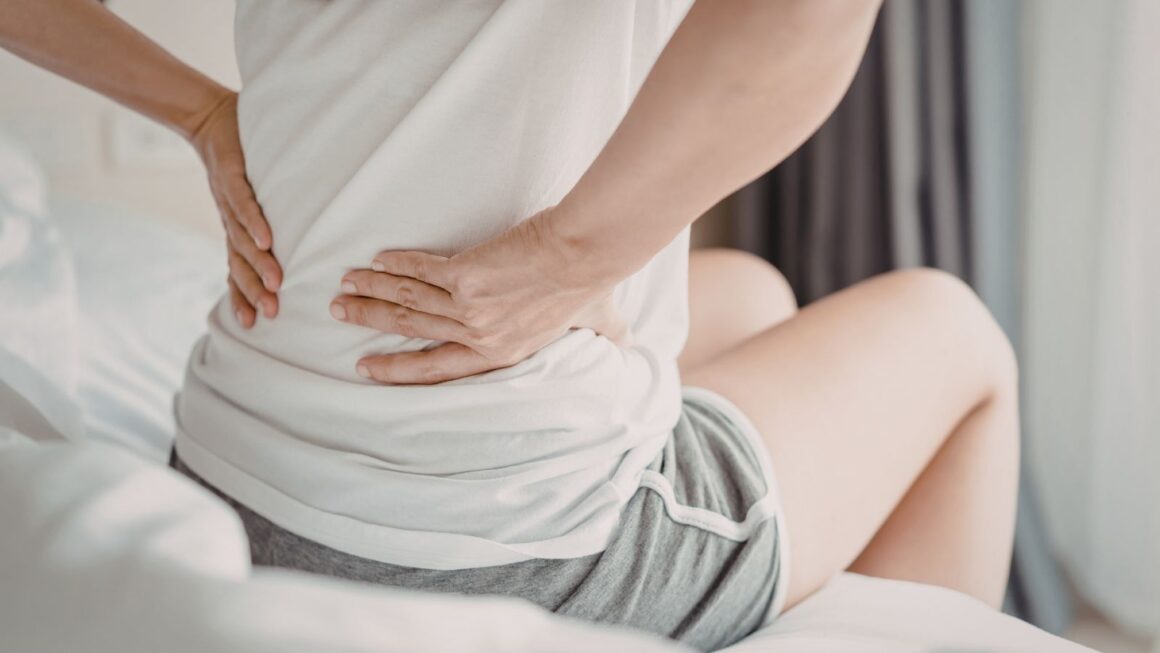
Femoral hernias occur in the upper thigh near the groin and are more common in women. Although they usually cause groin pain, severe or complicated femoral hernias may alter walking patterns or posture due to discomfort. Over time, this compensation can strain the lower back.
Back pain in this situation is secondary and develops gradually due to a mechanical imbalance rather than direct nerve compression.
Why Does a Hernia Sometimes Lead to Back Pain?
Back pain related to hernias can occur due to several mechanisms:
● Nerve Compression: Spinal hernias compress nerves directly, causing pain that travels to the back or legs.
● Referred Pain: Pain signals from abdominal structures may be felt in the back because nerves share pathways.
● Postural Compensation: When someone adjusts their posture to avoid hernia pain, it can strain back muscles.
● Muscle Weakness: Core muscles help support the spine. A hernia may weaken this support system, increasing pressure on the lower back.
Symptoms That Suggest a Hernia-Related Cause
Back pain may be linked to a hernia if it occurs along with:
● A visible or palpable bulge
● Pain that worsens when lifting or coughing
● Groin or abdominal pressure
● Burning or aching sensation at the hernia site
● Leg pain or numbness (in spinal cases)
Treatment Options
Treatment depends on the type of hernia and the severity of symptoms.
Medical Treatment
● Physical examination and imaging (ultrasound, MRI, CT scan)
● Pain management
● Physical therapy (especially for disc hernias)
● Surgical repair (for symptomatic abdominal hernias)
● Minimally invasive spinal procedures (for severe disc cases)
Supportive Measures
For mild cases, supportive approaches may include:
● Avoiding heavy lifting
● Wearing supportive garments (for abdominal hernias)
● Strengthening core muscles (under medical supervision)
● Maintaining a healthy weight
● Improving posture
When to See a Doctor?
If you notice symptoms of a hernia or worsening back pain, it’s important to contact us or seek immediate medical attention to prevent complications.
Seek urgent care if you experience:
● Sudden, severe pain
● A hernia that becomes hard or tender
● Nausea and vomiting
● Fever
● Loss of bowel or bladder control (in spinal hernia cases)
● Severe leg weakness or numbness
Final Thoughts
Can a hernia cause back pain? Yes, especially in cases of herniated discs, which directly affect the spine and nerves. Abdominal hernias can also contribute to back discomfort indirectly through muscle strain and posture changes. Identifying the type of hernia is key to determining the true source of back pain and choosing the appropriate treatment.
About the Author