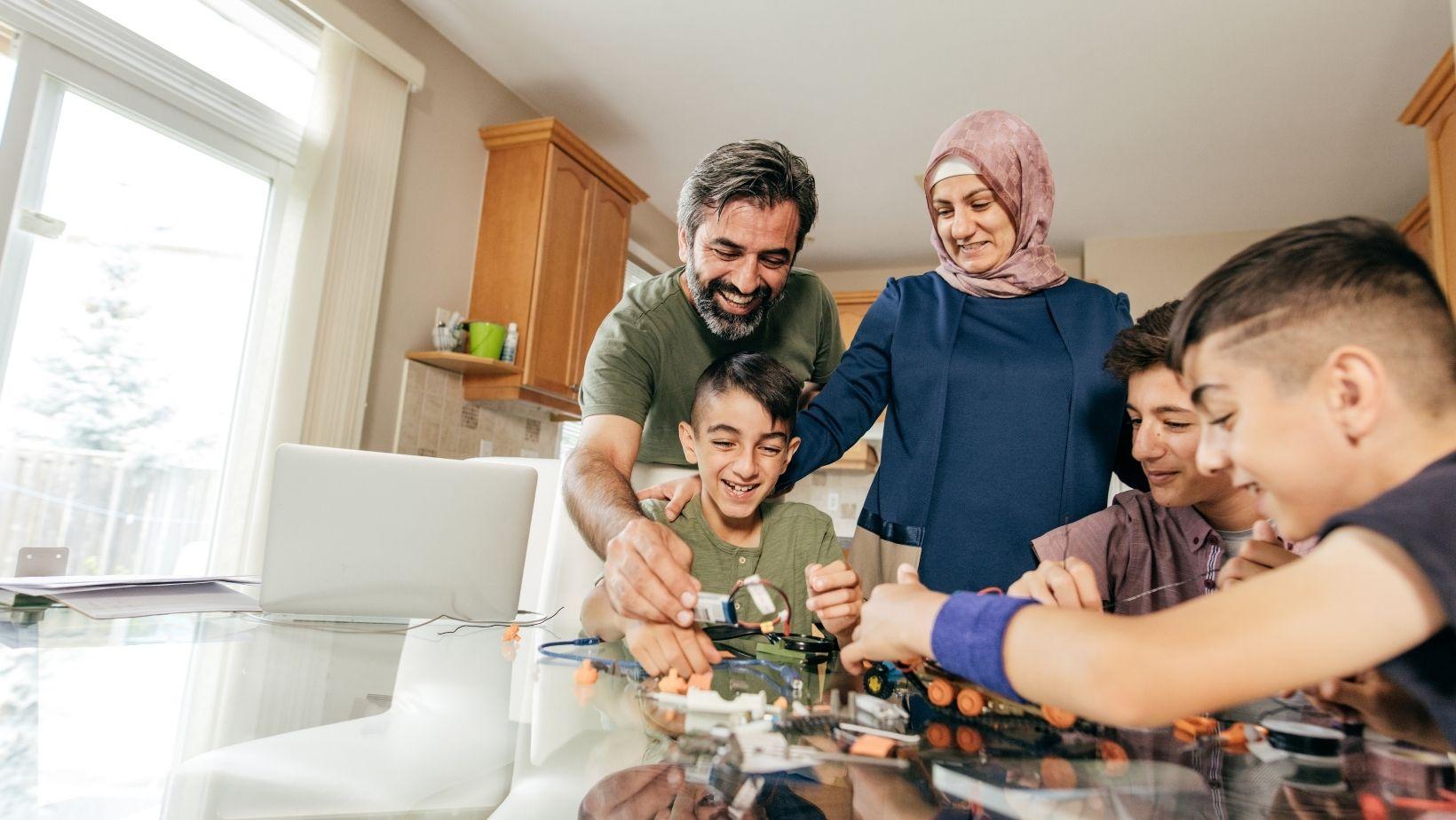
Establishing healthy habits as a family is a way to create benefits for children and adults that last for many years. Daily routines involving nutrition, physical activity, sleep and preventive healthcare are factors that influence wellness. Families are more likely to maintain consistent routines when they work together to support choices that improve health.
Healthy living is possible without making many large changes right away. Small improvements that people practice regularly result in significant changes over time. Habits are easier to maintain when families focus on cooperation plus goals that are achievable.
Creating Consistent Daily Routines
Consistent routines are helpful for family organization and support physical and mental health. Structure exists when there are regular meal times, predictable sleep schedules but also set times for physical activity. Stability from these routines is helpful for children and is a way to lower stress.
Parents and caregivers are able to encourage these habits – practicing the same behaviors. Children follow routines repeatedly when they observe adults participating in them. A supportive home environment is created when families prepare meals with various food groups, limit time spent using electronic screens as well as keep regular sleep schedules.
Encouraging Better Nutrition
Families establish healthy habits – making changes that are simple for everyone to follow. Nutrition improves when people provide healthy snacks, prepare food in their homes frequently and serve equal amounts of food. Individuals maintain their physical health and energy over time when their meals consist of fruits, vegetables, proteins with low fat or whole grains.
Children are frequently more interested in food if they assist when parents prepare meals. Parents involve children in nutrition – taking them grocery shopping or letting them select ingredients. Family mealtime is a chance for people to discuss healthy options plus stay connected.
Supporting Physical Activity
Regular movement is necessary for the health of individuals in every age group. Family members support this habit when they walk, ride bicycles, play sports or visit parks together. People are often more happy when they exercise with others instead of alone.
Being consistent is more helpful than performing an activity without mistakes. Health improvements are the result of short periods of movement when these actions are frequent. Families who include physical activity in their daily schedules are likely to stay active and are not still for long durations.
Promoting Preventive Healthcare
Preventive healthcare is a significant part of family wellness. Routine medical appointments, vaccinations next to health screenings are ways to identify concerns early and allow for communication with medical professionals. Families who prioritize this care gain a better understanding of how to manage their health over time.
Many households search for a family doctor North York Ontario residents can visit for medical care and health advice. Access to healthcare is a way for families to ask questions about nutrition, development, sleep plus prevention – these appointments are useful for staying informed and making decisions during different stages of life.
Building Healthy Communication
Open communication is a tool that helps family members support each other. Discussing goals is a way to involve everyone and ensure individuals remain responsible for their actions. Families who speak openly about wellness are better able to handle stress or difficulties in maintaining balance.
Supportive conversations are more effective than pressure or criticism when helping children develop habits. Confidence grows when families recognize progress, even if the changes are small – this support motivates family members to continue making improvements.
Managing Stress & Rest
Managing stress but also obtaining enough rest are essential for a healthy lifestyle. Sleep and relaxation are sometimes ignored when schedules are busy. Bedtime routines and time for relaxation are ways to improve mood, concentration as well as physical health.
Families without a regular provider may look for a doctor accepting new patients to support their wellness goals. Professional guidance is a way to learn about sleep habits, stress management and preventive care – this support is also helpful for addressing health concerns before they become more serious.
Conclusion
Families improve their physical well being when they maintain steady habits, speak clearly with one another and set goals that are possible to achieve. Daily decisions about nutrition, physical movement, rest plus healthcare lead to progress over a long period. Routine tasks are simpler to perform when members of a household assist each other.
Healthy behaviors are most successful when they are permanent parts of a schedule instead of temporary objectives. Family members develop practices that increase wellness and support their future safety – establishing regular patterns but also sharing information honestly.
About the Author