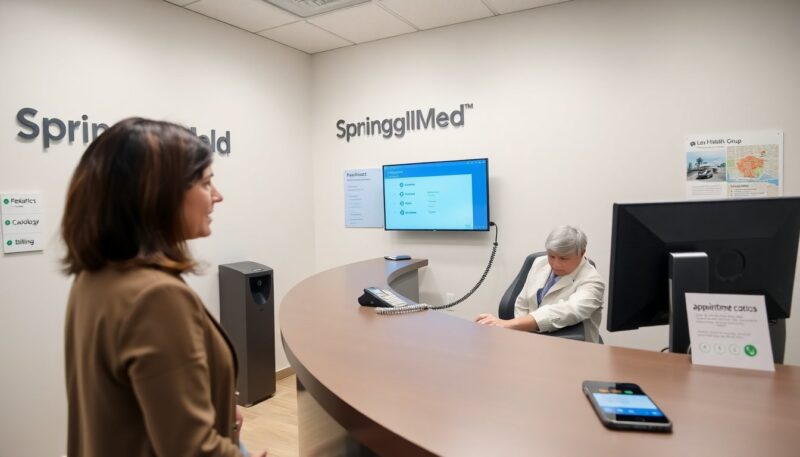
Can You Contact SpringHillMedGroup About Website Content? Yes, SpringHillMedGroup accepts website content questions and requests, but most queries funnel through general contact channels rather than a public editorial inbox. This guide explains what to expect, who to contact for editorial, partnerships, or technical issues, and how to write a clear request that gets a timely response.
Key Takeaways
- You can contact SpringHillMedGroup about website content by using their general contact email or online form, as there are no separate editorial or partnership addresses.
- For editorial inquiries, include the article URL, a clear subject line, a concise description of requested changes, and supporting evidence to ensure timely processing.
- Advertising or sponsorship proposals should be clearly labeled and include a summary, audience metrics, and compliance statements for proper routing.
- Technical, privacy, or legal issues must be marked urgent in the subject line, with detailed reproduction steps and minimal sensitive information, to facilitate quick escalation.
- Writing a clear, focused content request with precise language and contact details improves response speed and accuracy from SpringHillMedGroup’s team.
Can You Contact SpringHillMedGroup About Website Content? What To Expect
Yes. SpringHillMedGroup accepts inquiries related to website content, corrections, sponsored requests, and technical problems. Most public listings show a single support or general contact rather than separate editorial or ad-sales addresses. A content question can begin by checking the email presentation on SpringHillMedGroup’s Contact Us page before choosing between email and the website form.
Expect a weekday response within 24–48 hours for routine editorial or site questions. Time-sensitive items such as privacy or patient-data concerns may receive an expedited routing note if the sender marks the subject as urgent. For phone help, callers reach the main line during business hours: that line directs calls to the right internal team.
SpringHillMedGroup’s complete overview of reader messages and site enquiries begins with the general website route when no named editor or partnership manager is listed. That approach matches common practices at similar health-content sites and reduces delays caused by guessing internal addresses.
Who To Contact On SpringHillMedGroup — Editorial, Partnerships, Or Tech
The general route for a written editorial request is the SpringHillMedGroup website contact form. If a subject field is available, make it precise. Otherwise, state the issue in the opening line so staff can route it internally. SpringHillMedGroup groups most incoming mail into general administrative queues. Below are the practical pathways and what each one should include.
Editorial And Content Inquiries (Email, Submission Guidelines, What To Include)
Fact first: Editorial and content issues should be sent through the site’s general contact email or the online form with a clear subject line. If an article needs a factual correction, the sender should include the article URL, a one-sentence description of the requested change, and supporting evidence.
A good submission looks like this: a subject line such as “Content Correction Request – [Page Title],” the exact page URL, three bullet points describing the change, and two authoritative references (for example, a guideline or peer-reviewed paper). The sender should add name, role, and best callback number.
SpringHillMedGroup does not publish formal submission guidelines, so a concise, evidence-based email or form entry speeds review. For routine contact details and the main reach page, users may reference the site’s contact overview for step-by-step directions on how to reach support and submit editorial notes via the site contact page. contact spring hillmed group: Your Guide to Getting in Touch
Advertising, Sponsored Content, And Partnership Requests
Answer: Use the same general contact channels but mark the message clearly as a partnership or sponsorship proposal. Because the site lacks a public ad-sales or sponsorship email, proposals should start with a direct, labeled subject line like “Advertising / Sponsorship Proposal.”
A concise proposal should include: a one-paragraph summary of the organization, the nature of the offer (ad placement, sponsored article, or co-branded content), audience metrics (impressions or monthly uniques), and compliance statements (HIPAA awareness, claims substantiation). If the offer involves payment or billing details, consider also using the billing contact listed on the site to ensure the message reaches finance staff. The site’s phone pages help advertisers find key numbers to confirm receipt. spring hillmedgroup contact: Your Guide to Seamless Communication
Include any sample creative or a two-page media brief. Label attachments clearly and avoid sending protected health information in an initial outreach.
Technical Corrections, Privacy, Or Legal Concerns
Answer: Send technical, privacy, or legal issues to the general contact address and mark the subject to indicate urgency. For broken links, display errors, or form failures, include the page URL, the browser and device used, and a brief step-by-step reproduction of the issue.
For privacy or legal concerns, the sender should label the email PRIVACY or LEGAL in the subject line and provide only essential identifiers. If patient data or personally identifiable information is involved, the sender should state that the matter is time-sensitive and ask for a secure channel before sharing sensitive details. The site does not list a named compliance officer publicly, so starting at the general inbox ensures the message enters the formal escalation path.
If someone needs the primary phone contact for faster escalation, consult the site’s phone-number pages to call the main line and follow up the call with an email to document the issue. spring hillmed group phone number: Unlocking Essential Connections phone number spring hillmed group: Get Connected Instantly
How To Prepare A Clear, Effective Content Request
raising an editorial question about published content benefits from a precise subject line and a one-sentence goal at the top. Clear requests speed routing and increase the chance of a helpful reply.
Step-by-step checklist:
- Subject line: Use a short, specific label. Examples: “Content Correction Request – [Title]” or “Editorial Suggestion – [Topic]”.
- Identify the page: give the full URL and the article title or section where the issue appears.
- State the goal: place one clear sentence at the top (for example, “Requesting update to medication dosing in the treatment section”).
- Provide evidence: attach or link to up to three authoritative sources such as clinical guidelines, peer-reviewed papers, or government guidance.
- Use bullets: list each requested change as one bullet so editors can act line-by-line.
- Add contact details: name, affiliation, email, and phone. If available, include hours when the sender can take a call.
Examples of precise language that helps: “Replace sentence X with this phrasing and cite the 2024 AHA guideline” or “Correct the outpatient hours on the contact page: current hours show closed at 5 p.m., but the clinic closes at 7 p.m.” These specifics let the recipient make an exact edit rather than ask follow-up questions.
Practical warning: avoid sending raw patient data in initial messages. Also, don’t attach large files: put supporting PDFs on a shared drive with limited access and include a short access note in the email.
Conclusion
SpringHillMedGroup accepts content and technical inquiries but channels them through a main support route rather than separate public editorial or partnership addresses. Send a tight, evidence-backed message via the site contact form or general email, mark the subject clearly, and include the page URL plus concise change requests to get the fastest, most useful response.
About the Author