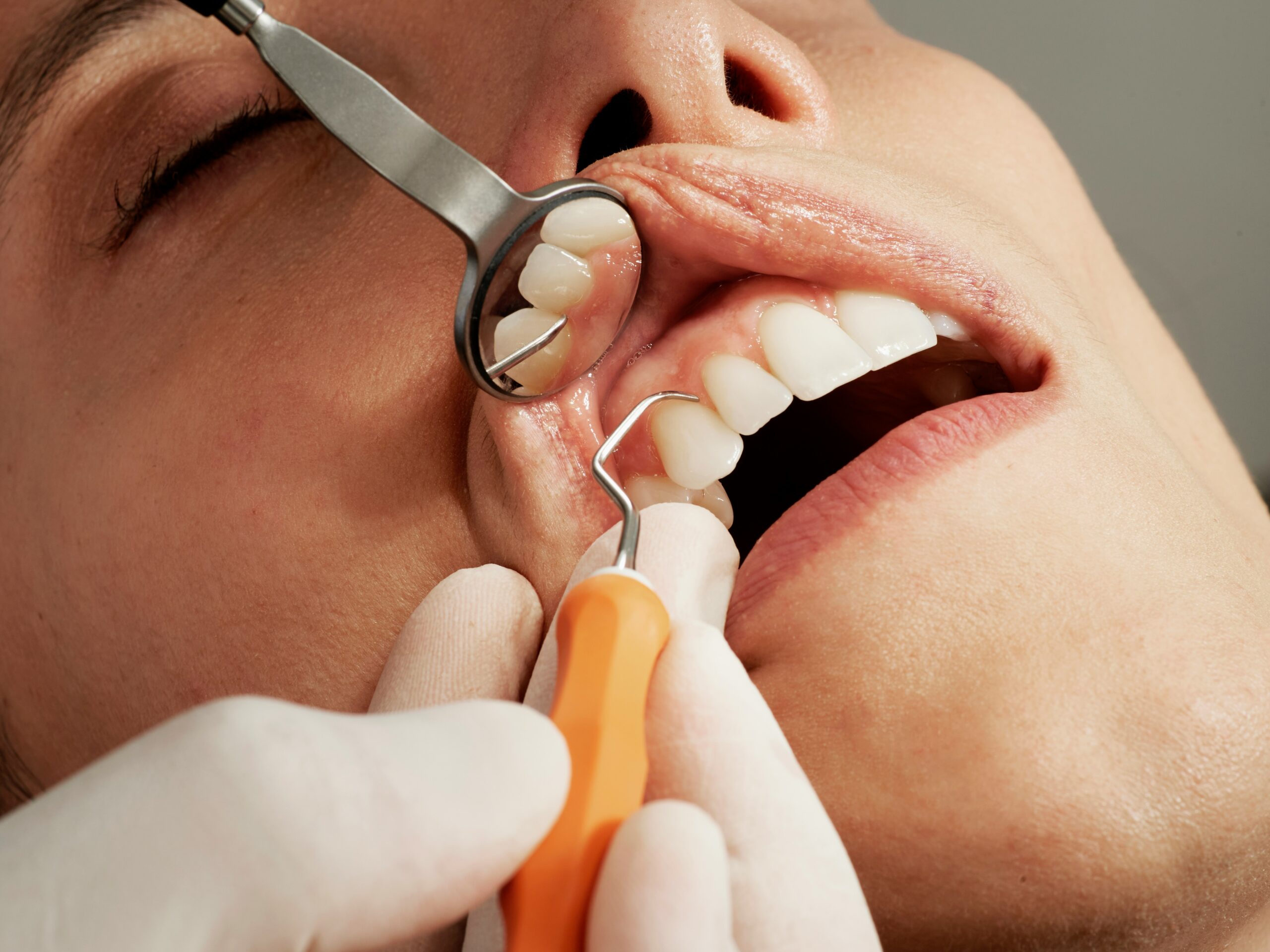
Believe it or not, dental anxiety is a lot more common than most people are willing to admit. Time and again, research reveals that about 13% to 24% of adults worldwide fear the dentist so much that they avoid going there altogether. For many, dental phobia is not something they are born with but something that develops after a painful or stressful event. This creates a vicious circle that’s very difficult to escape: avoidance results in poor dental health which requires more complicated (and possibly uncomfortable) treatments, thereby increasing the fear. Fortunately, this vicious circle can be broken.
Dental anxiety does not have to lead to permanent avoidance. Indeed, for the vast majority of patients, the right mix of effective methods and a dental team that supports and understands the patient’s feelings can make a significant difference. The point is, all of this doesn’t have to entail years of psychotherapy or radical changes; it actually begins with small, intentional steps.
Tell Your Dentist Before You Sit in the Chair
Anxious patients, the single most underutilized tool for them is honest communication. Many people are ashamed to admit their fear because they think they will be judged, ignored or simply told to “relax”. However, a good dental team will not have this kind of reaction. Actually, most dentists like to be informed beforehand because it affects how they will conduct the appointment.
This is a great time to let them know you are worried about dental treatment. Stopping signals are one of the ways dentists can reduce anxiety and build trust. The most common stopping signal is raising your hand to pause the procedure. Make sure your dentist confirms they will respect your stopping signal, which is a simple and powerful way to restore your control and significantly reduce your anxiety.
If a practice seems dismissive of your concerns, that’s useful information. Some dental clinics specialize specifically in anxious patients, using modified approaches and extra communication throughout. The team at Harley Street Dental Studio is an example of a practice with a strong reputation for this kind of patient-centred care, particularly for patients who’ve had difficult experiences elsewhere.
Use the Appointment Structure to Your Advantage
One of the reasons why dental appointments may seem scary is that they can feel open-ended since you may not know what to expect or how long it will last. Having some control over the structure of the appointment is a good way to help yourself. Find out what will happen during the visit, step by step.
Ask the dentist to tell you what they are going to do before they actually do it instead of just going ahead. Some patients like to set up a clear endpoint: “After the X-ray is done, we will stop and have a talk before continuing.” It is also worth considering splitting a longer procedure into multiple shorter appointments, even if it is less convenient to you, as it will keep each session manageable.
Take something with you to focus on. Using noise-cancelling headphones to listen to music or podcasts is pretty much fully accepted in dental offices at this point. Directing your focus toward the audio content limits the amount of mental capacity that can be spent on catastrophising about the stuff going on in your mouth, which is exactly the point.
Breathing and Body Techniques That Actually Work
When the brain detects a threat, the body’s stress system is activated. For example, the heart rate goes up, muscles get tighter, and the breath becomes shallower. This bodily condition in turn influences your mental feeling of the dental visit, leading to more anxiety. One of the best ways to cope is to consciously stop the physical reaction.
Deep diaphragmatic breathing, which means taking slow, deep breaths into your belly instead of shallow breaths into your chest, triggers the parasympathetic nervous system and lowers the body’s stress response within minutes. The simple version: inhale slowly and count to four, hold the breath for two, and exhale to the count of six. You can do it while waiting and, if possible, keep doing it during the visit. Progressive muscle relaxation is a technique that is seldom mentioned but is just as effective in dental situations.
Start from your feet and move up. Intentionally tighten each muscle group for a few seconds and then let go. By the time you get to your legs, stomach, and hands, you will have significantly reduced your overall tension. Moreover, it provides your mind with something neutral to concentrate on.
Building Tolerance Gradually Rather Than Forcing Through It
Avoidance might seem like a relief at first, but it will almost certainly cause your anxiety to escalate after some time. The best way to handle this in the long term is, go step by step – start with the manageable dentist appointments, then gradually increase the intensity. For example, the first visit for an anxious patient might just be a trip to the dentist’s without any work.
Just sitting in the chair, having a chat with the dentist and leaving. Then a simple exam. Then a clean. Little by little, you become familiar and the brain learns that it is not in danger. If you hurry it and force yourself through a full treatment session when you are not ready you may even get retraumatized and revert back to your original state. Cognitive Behavioural Therapy (CBT) is backed by good research evidence for successfully dealing with dental phobia.
On the off chance that your anxiety is so severe that even the gradual exposure method is not producing any results, consulting a therapist trained in CBT for a few sessions can be useful in identifying and changing the thought patterns that lead to avoidance. Besides, it is not necessary to have long-term therapy, as would be the case with other disorders; short courses of CBT for specific phobias are often very effective.
About the Author