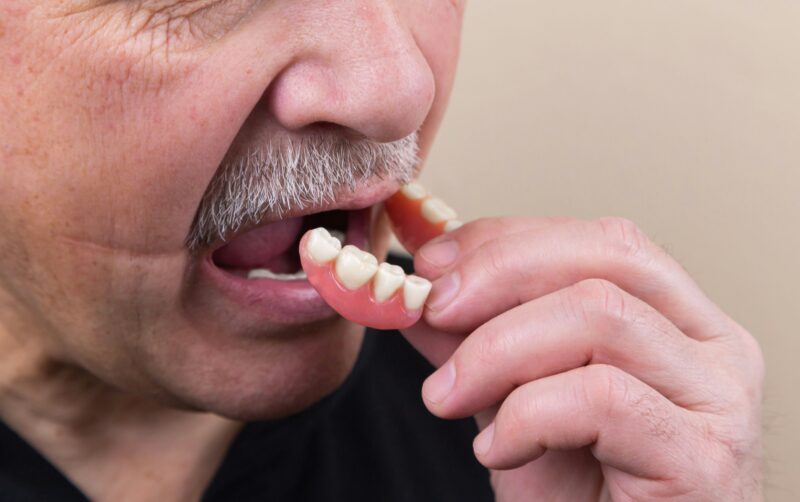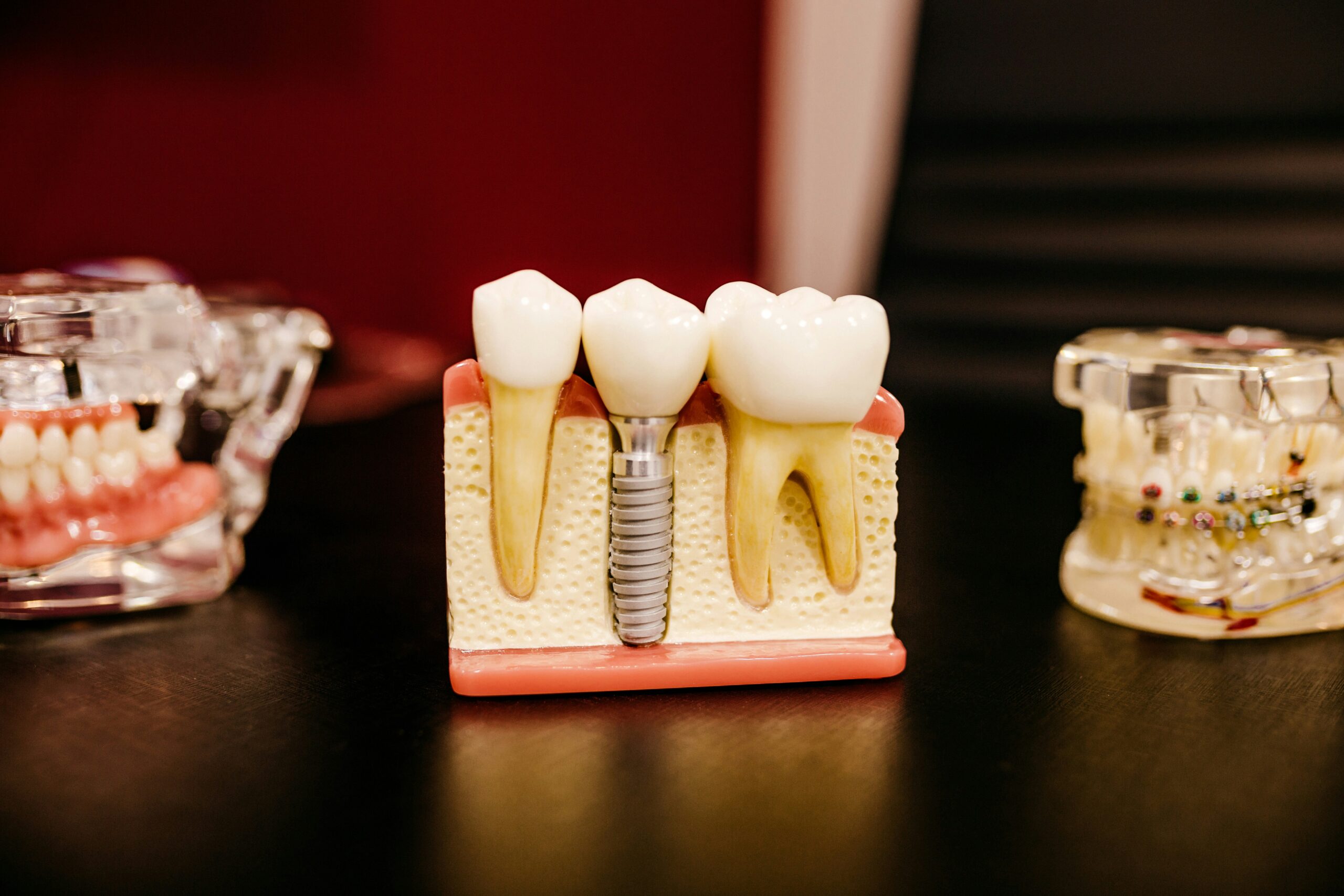
Dental implants usually succeed, but when they fail you need clear steps and swift action to protect your oral health and options for repair. For those who have received dental implants in Blaine, WA, knowing the warning signs is critical — if you notice persistent pain, swelling, bleeding, or any movement around an implant, contact your dentist promptly, as early intervention can often save the implant or limit bone loss.
This article explains why implants can fail, how to spot warning signs, and what practical steps you can take next — from diagnosis and infection control to possible revision or replacement — so you’ll know exactly what to expect and how to advocate for the best outcome.
Understanding Dental Implant Failure
You will learn what counts as implant failure, when failures usually show up, and how common they are. The following sections explain definitions, timing, and real-world rates so you can recognize problems and discuss options with your dentist.
Definition and Types of Failure
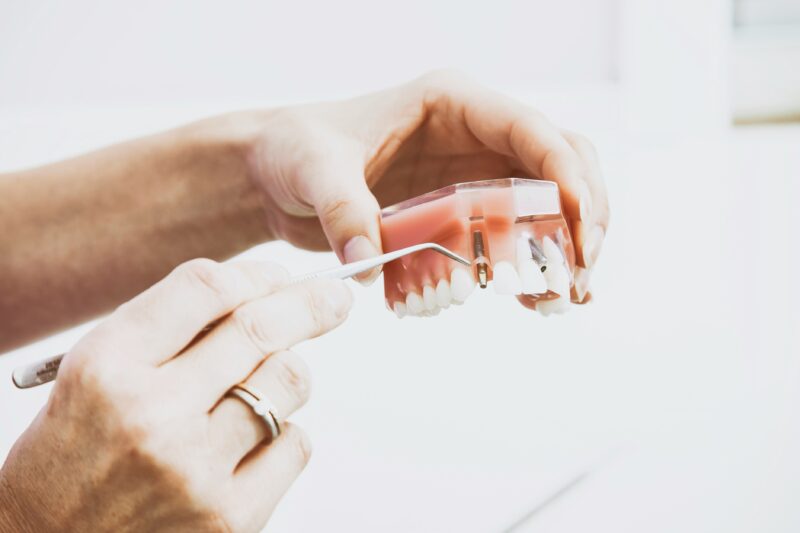
Dental implant failure means the implant no longer serves its intended function: a stable, integrated root replacement that supports a crown, bridge, or denture. Loss of osseointegration — the direct bone-to-implant connection — is the primary biological failure. That usually shows as mobility, persistent pain, or recurrent infection around the implant.
Mechanical failure involves component breakage or loosening (abutment screws, prosthetic fracture) and can occur without bone loss. Peri-implant disease (mucositis that can progress to peri-implantitis) combines infection and inflammation and often leads to late-stage bone loss. You may also encounter esthetic failure, where soft-tissue recession or improper positioning compromises appearance despite functional stability.
Common Timeframes for Failure
Failures typically fall into two timeframes: early and late. Early failure happens within the first few months after placement and usually reflects problems with osseointegration. Causes include surgical trauma, poor bone quality or quantity, and early infection. Signs you might notice are pain, swelling, persistent bleeding, or implant mobility before the crown is loaded.
Late failure emerges months to years after integration. Typical causes include peri-implantitis (bacterial bone loss), occlusal overload (excess biting forces), and prosthetic complications that transmit stress to the bone. You may see gradual mobility, increasing pocket depths, pus, or new pain long after initial healing.
Statistics and Prevalence
Implants have high success rates, commonly reported between 90–98% over five to ten years depending on patient factors and technique. Early failure rates vary but are generally lower than 5–10% in modern practice when proper planning and aseptic technique are used. Late failures occur less frequently but increase with risk factors like smoking, uncontrolled diabetes, a history of periodontitis, or poor maintenance.
Key risk modifiers to note:
- Smoking roughly doubles the risk of failure.
- Poor oral hygiene and untreated periodontal disease substantially increase late peri-implantitis rates.
- Inadequate bone volume or quality raises the chance of early osseointegration failure.
Keep these figures in mind when you weigh risks and discuss prognosis with your clinician.
Main Causes of Dental Implant Failure
You should know the most common reasons implants fail so you can spot problems early and take corrective action. Problems cluster around bone integration, infection, mechanical stress, and your overall health.
Poor Osseointegration
Osseointegration means the implant fuses with your jawbone. If bone does not grow tightly around the implant, micromovement occurs and the implant becomes unstable.
Factors that impair osseointegration include inadequate bone volume or density, poor surgical technique, and early loading of the implant before sufficient healing. Smoking, certain medications (like bisphosphonates), and untreated periodontal disease reduce bone healing capacity.
Diagnosis often uses clinical mobility testing and radiographs to detect bone loss or gaps at the implant interface.
Treatment options range from removing the unstable implant and performing a bone graft to re-implantation after healing. In some cases, extending the healing period and modifying load protocols can salvage borderline cases.
Infection and Peri-Implantitis
Bacterial infection around an implant can cause soft-tissue inflammation and progressive bone loss called peri-implantitis. Left untreated, peri-implantitis can lead to implant loosening and failure.
Risk factors include poor oral hygiene, residual cement from crowns, smoking, and a history of periodontitis. Early signs you can notice are redness, swelling, bleeding when brushing, and persistent bad taste or discharge.
Clinicians confirm infection with probing depths, bleeding on probing, and radiographic bone loss. Management depends on severity: professional cleaning and improved home care for early cases; antimicrobial therapy, mechanical debridement, and surgical regenerative procedures (bone grafts and membrane placement) for advanced cases. Removing the implant becomes necessary when infection destroys supporting bone.
Mechanical Issues and Overloading
Mechanical failures result from excessive forces, component fracture, or improper restorative design. Overloading occurs when bite forces exceed what the implant and surrounding bone can sustain.
Common causes include bruxism (teeth grinding), insufficient number or size of implants for a prosthesis, poorly designed occlusion, and loose or fractured screws. You may feel mobility, hear clicking, or notice the prosthesis shifts when biting.
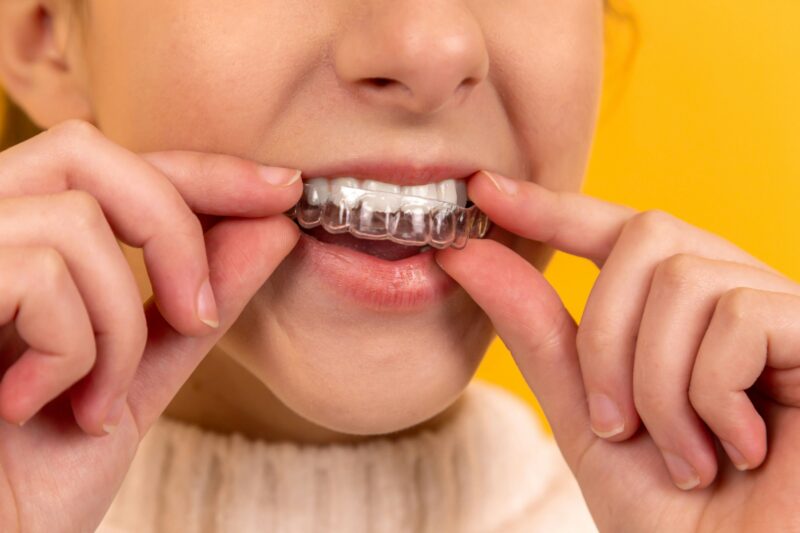
Preventive steps include using night guards for bruxism, proper implant placement planning (CBCT and surgical guides), and verifying passive-fit prosthetics. Repair options include retorquing or replacing screws, remaking the prosthesis, or adding implants to better distribute forces.
Systemic Health Factors
Your systemic health strongly influences implant success. Conditions that impair healing or bone metabolism raise the risk of failure.
Diabetes (especially uncontrolled), osteoporosis, autoimmune diseases, and medications like long-term corticosteroids or antiresorptives can reduce bone remodeling and immune response. Poorly controlled diabetes increases infection risk and delays osseous healing. Smoking also compromises blood flow and healing capacity.
Before treatment, your clinician should review medical history, coordinate care with your physician when needed, and optimize conditions (glycemic control, smoking cessation). In some cases, alternative strategies—such as staged grafting, antibiotic prophylaxis, or modified loading protocols—help mitigate systemic risks.
Recognizing the Signs and Symptoms
You should watch for persistent pain, changes in how the implant feels, and visible or X-ray evidence of bone loss or infection. Early detection often lets your dentist fix the problem before the implant is lost.
Early Warning Signs
Pain that does not ease after the initial healing period—especially throbbing or sharp pain during chewing—signals a problem. Mild soreness shortly after surgery is normal; pain that starts weeks or months later or progressively worsens is not.
If the implant feels loose when you tap it with your tongue or during biting, contact your dentist promptly. Mobility often indicates loss of osseointegration or mechanical failure.
Other early signs include unusual bleeding or persistent bad taste and smell, which commonly point to infection (peri-implantitis). Note any changes in how your bite feels; new gaps or a sense of uneven pressure can mean the prosthetic components are failing.
Physical Changes and Discomfort
Look for swelling, redness, or gum recession around the implant site. Receding gums may expose implant threads or abutment metal, increasing sensitivity and infection risk.
Tender, swollen lymph nodes or recurrent pus drainage from the gum around the implant are strong indicators of infection that needs immediate care.
Difficulty chewing or sudden changes in speech can result from a loose crown or a shifted implant. You might notice increased tooth sensitivity in adjacent teeth. Keep a record of symptom timing and severity to share with your clinician.
Radiographic Evidence
Dental X-rays reveal bone loss around the implant, a key objective sign of failure. Your dentist compares current images to baseline radiographs; look for vertical bone loss greater than 2 mm or progressive radiolucency at the implant-bone interface.
Peri-implant bone defects, widening of the radiolucent halo around the implant, or fracture lines in the implant or prosthetic parts appear on radiographs and guide treatment decisions.
CT or CBCT scans offer 3D detail when conventional X-rays are inconclusive. These scans show bone volume, proximity to nerves or sinuses, and the precise extent of bone loss—information your dentist uses to plan revision surgery or grafting.
What to Do Next After a Dental Implant Fails
Act quickly to limit damage, get a clear diagnosis, and choose a treatment that matches the cause and your goals. Costs, timing, and the likelihood of successful replacement vary with infection, bone loss, and implant position.
Seeking Professional Assessment
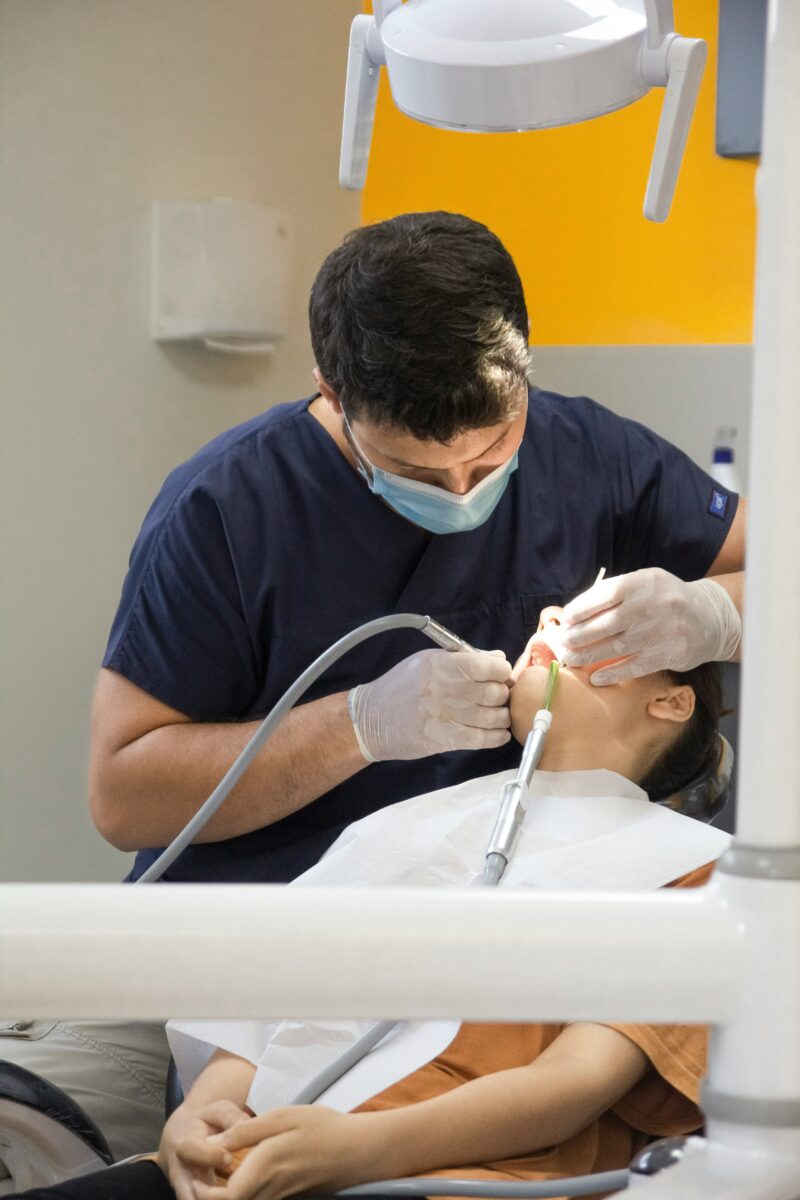
Contact your implant dentist or an oral surgeon right away if you have persistent pain, swelling, mobility of the implant, or pus. The clinician will take a clinical exam, check implant mobility, and order imaging—periapical X-rays or a CBCT scan—to assess bone loss, implant position, and any sinus or nerve involvement.
Bring your records: implant brand, date of placement, surgical notes, and any prior X-rays. Expect evaluation for systemic factors too: uncontrolled diabetes, smoking status, or recent radiation therapy can affect healing. Ask for a clear diagnosis (early failure, peri-implantitis, mechanical loosening) and a written plan with options, timelines, and estimated costs.
Treatment and Management Options
Treatment varies by cause. If infection (peri-implantitis) is limited, your dentist may start with improved hygiene, professional cleaning, local antiseptics, and antibiotics. For moderate to severe bone loss, surgical intervention—debridement, bone grafting, and guided bone regeneration—may be needed; success depends on defect size and soft-tissue health.
If the implant is mobile or the implant body is unsalvageable, removal is necessary. After extraction, options include immediate replacement with a new implant (only if infection and bone conditions permit), delayed implant placement after bone grafting, or non-implant restorations (fixed bridge or removable prosthesis). Discuss risks, success rates for reimplantation, and realistic timelines—healing and graft maturation can take 3–9 months.
Preventing Future Failures
Follow a strict oral hygiene and maintenance schedule to protect new or existing implants. Brush twice daily with a low-abrasive paste, use interdental brushes or floss designed for implants, and schedule professional cleanings every 3–6 months based on risk.
Address modifiable risk factors: stop smoking, control blood sugar, and treat bruxism with a nightguard if you clench or grind. If you need bone grafting or soft-tissue augmentation before reimplantation, choose a provider experienced in implant salvage. Ask for a written maintenance plan and clear checkpoints for radiographic review every 6–12 months.
About the Author