You want a replacement that feels, functions, and lasts like natural teeth—and for many people, dental implants deliver that long-term value by preserving bone, minimizing future repairs, and reducing the need for frequent replacements.
If you prioritize durability, jaw health, and fewer long-term costs, implants are typically the better investment; dentures can still make sense when upfront cost, simplicity, or medical suitability matter more.
This article breaks down how implants and dentures compare on cost over time, comfort and function, aesthetic outcomes, and who each option fits best so you can weigh immediate budgets against years of oral health and maintenance. Follow along to pinpoint which route aligns with your goals, timeline, and medical needs, especially if you are considering dental implants ellenton fl.
Understanding Dental Implants and Dentures
You’ll learn what each option is, how they attach to your mouth, and the practical differences that affect cost, care, and daily function.
What Are Dental Implants?
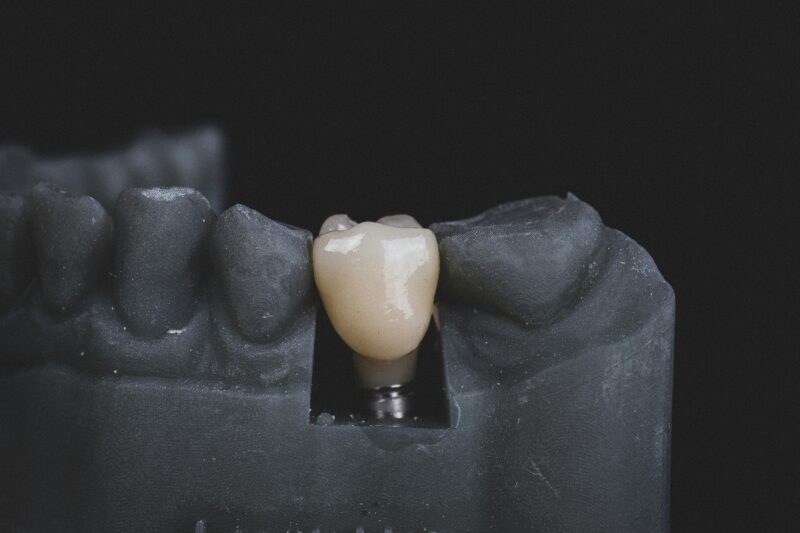
Dental implants are titanium posts surgically placed into your jawbone to replace tooth roots.
After healing (usually 3–6 months), a custom abutment and crown attach to the implant, restoring a single tooth or supporting multi‑tooth bridges and full-arch prostheses.
Benefits you can expect: bone preservation at the implant site, strong bite force comparable to natural teeth, and restorations that don’t rely on adjacent teeth for support.
Surgical risks and requirements matter: you need sufficient jawbone volume and good overall health. Bone grafting or sinus lifts may be needed before implant placement, which adds time and cost.
Maintenance resembles natural teeth: brush, floss, and regular dental checkups. With proper care, implants often last decades, though crowns may need replacement over time.
What Are Dentures?
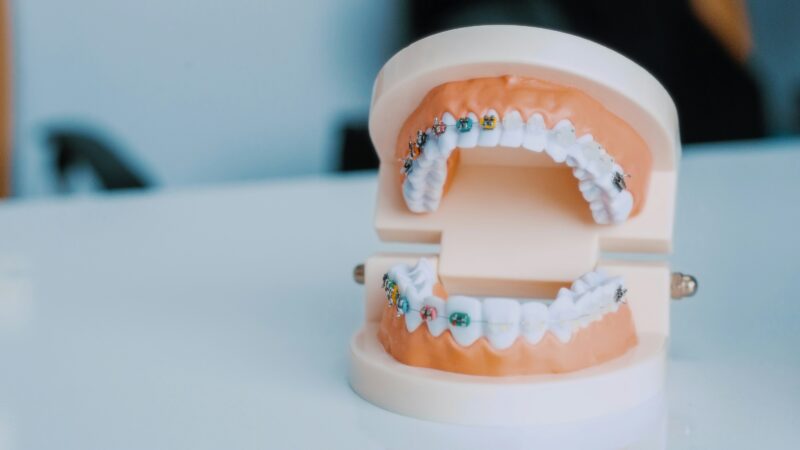
Dentures are removable prosthetic teeth set in an acrylic base that rests on your gums.
They replace some (partial dentures) or all (complete dentures) of the teeth in an arch and rely on suction, adhesives, or clasps for retention.
Complete dentures require impressions and try‑ins to match your bite and appearance. They restore basic chewing and speech but usually provide less bite force than implants.
You’ll need daily removal for cleaning and overnight soaking, and expect periodic adjustments or relines as gum and bone shape change over time.
Partial dentures can use metal or acrylic frameworks that attach to remaining teeth, which can affect those teeth’s health if not properly fitted and maintained.
Key Differences Between Implants and Dentures
Attachment method: implants anchor in bone; dentures rest on soft tissue or clip to teeth or implants. This affects stability and chewing efficiency.
Longevity and cost: dentures have lower upfront cost but typically require more frequent maintenance and replacements. Implants cost more initially but often provide longer useful life and fewer routine replacements.
Bone health: implants stimulate and preserve jawbone; dentures do not and may accelerate bone resorption, leading to fit issues.
Maintenance and lifestyle: dentures require daily removal and adhesives; implants integrate into your mouth and allow near‑normal oral hygiene routines.
Clinical considerations: implants need adequate bone and medical fitness for surgery; dentures suit many patients who cannot or prefer not to undergo surgery.
Cost and Long-Term Investment Analysis
You will weigh higher upfront costs against lower long-term maintenance, and consider how insurance and financing change what you actually pay. Focus on concrete numbers, expected lifespans, and typical out-of-pocket scenarios to decide which option fits your budget and goals.
Initial Costs and Affordability
Dental implants commonly cost between $3,000–$5,000 per tooth for a single implant with crown, depending on implant type, surgeon fees, and location. Full-arch implant solutions (e.g., All-on-4) often run $20,000–$50,000 per arch. Conventional complete dentures typically cost $500–$3,000 per arch for a basic to mid-range set.
You should factor in preparatory procedures: bone grafts can add $200–$3,000, and extractions add several hundred dollars per tooth. If you need multiple teeth replaced, implants multiply per-tooth costs while dentures scale more slowly. Compare immediate affordability (dentures) versus long-term capital outlay (implants) when planning.
Maintenance and Replacement Expenses
Implants require routine oral hygiene and periodic check-ups; professional maintenance costs mirror natural-teeth care—typically $100–$300 annually for exams and cleanings. Implant complications (rare) can involve expensive corrective surgery; however, well-maintained implants often last decades or a lifetime.
Dentures need regular relines, repairs, and eventual replacement. Expect relines every 2–3 years and full replacement roughly every 5–10 years. Typical relines cost $200–$600, repairs $50–$500, and replacements $500–$3,000 per arch. Over 15–25 years, cumulative denture costs may approach or exceed implant expenses depending on frequency of replacement and maintenance.
Insurance Coverage and Financing Options
Most dental insurance covers a portion of denture costs under prosthodontics—commonly 50% up to an annual maximum (often $1,000–$2,000). Implant coverage varies: some plans cover part of the crown or related procedures but not the implant fixture. Verify plan limits, waiting periods, and lifetime caps before committing.
Many practices offer financing (monthly plans, 0% interest for promotional periods) and third-party medical credit (CareCredit or similar). You should get itemized quotes showing surgery, lab fees, grafts, and prosthetics to compare monthly payments and total interest. Use a spreadsheet or table to compare net present cost across realistic timelines (5, 10, 20 years).
Comparing Functionality, Comfort, and Aesthetics
You’ll see clear differences in how each option performs when you eat, speak, and live day to day. Expect trade-offs between stability, maintenance, and how natural the outcome looks and feels when you are choosing dental implants over dentures.
Chewing and Speaking Performance
Dental implants anchor to the jawbone with titanium posts, providing stability close to natural teeth. You can chew harder foods—steak, apples, nuts—with less movement and less worry about slippage. Bite force with implants typically approaches that of natural teeth, so digestion and food choices stay closer to normal.
Dentures rest on gums or attach to a few implants and can move during chewing or speech, especially full upper or lower traditional dentures. You may need adhesives, and certain foods (sticky or tough) often require modification. Speaking with new dentures takes practice; implant-supported dentures reduce movement and usually improve clarity of speech sooner.
Natural Appearance and Feel
Implants replace both the tooth crown and the root, which preserves facial contours and supports the lip and cheek. Crowns attach to implants with a custom color and shape, so teeth match adjacent dentition closely. Feeling under the tongue and in the bite will feel more like your original teeth.
Dentures can provide an excellent cosmetic result initially and replace multiple teeth at once. However, over years of bone resorption they may require relines or replacement to maintain the same fit and facial profile. Dentures sit on soft tissue, so you’ll notice a different tactile sensation and occasionally bulk along the palate for upper dentures.
Impact on Oral Health
Implants stimulate the jawbone through functional loading, slowing or preventing the bone loss that follows tooth extraction. That preservation maintains jaw height and reduces long-term changes to your facial structure. Implants also isolate adjacent teeth; they don’t require grinding down neighboring healthy teeth as bridges do.
Dentures do not transmit chewing forces into the bone, so bone resorption continues where teeth are missing. Over time, that can change fit, require adjustments, and alter facial support. Removable dentures make hygiene around abutment teeth simpler in some cases, but they can trap food against gums and need daily removal and cleaning to reduce irritation and infection risk.
Suitability and Longevity Considerations
You’ll weigh medical eligibility, how long each option lasts, and how daily habits and preferences affect both function and cost. Focus on bone health, maintenance needs, and what you can realistically manage over years.
Candidacy Factors and Health Requirements
You must have adequate jawbone volume and healthy gums for dental implants; insufficient bone often requires grafting before implant placement. Systemic conditions like uncontrolled diabetes, heavy smoking, or certain autoimmune disorders increase implant failure risk and may require medical clearance or alternative treatments.
Dentures need less surgical preparation and suit patients with significant bone loss or those who cannot undergo surgery. However, you still need healthy oral mucosa and stable remaining teeth (for partials). Age alone isn’t a disqualifier, but your overall medical status, medication use (bisphosphonates, anticoagulants), and ability to maintain hygiene strongly influence candidacy.
Discuss imaging (CBCT or panoramic x-ray), lab tests, and a medical history review with your dentist. Expect individualized recommendations based on bone quality, healing capacity, and long-term maintenance ability.
Expected Lifespan and Durability
Single dental implants and their titanium fixtures can last 20+ years or a lifetime when you practice excellent oral hygiene and attend regular check-ups. The implant crown typically needs replacement every 10–15 years depending on wear, bruxism, and material choice (zirconia vs. porcelain).
Conventional dentures usually require relining, rebasing, or replacement every 5–8 years due to bone resorption and fit changes. Acrylic teeth and bases wear faster than implant-supported prostheses. Implant-retained overdentures extend prosthesis life and stability compared with conventional dentures, but they still demand maintenance of attachments and occasional component replacement.
Plan for periodic maintenance costs: implant-related follow-up and prosthetic repairs, or denture relines and replacement cycles. Budgeting for long-term care affects which option is more cost-effective for your situation.
Lifestyle and Personal Preferences
If you prioritize eating a varied diet, speak clearly, and want minimal movement of teeth replacements, implants deliver superior stability and chewing efficiency. You should consider implants if you value low daily maintenance and want to avoid adhesives or frequent adjustments.
Choose dentures if you need a lower up-front cost, quicker restoration timeline, or if surgical risk is unacceptable. Dentures allow easier access for cleaning removable prostheses and can be changed more readily for esthetic updates.
Think about convenience: implants integrate into your routine like natural teeth, while dentures require nightly soaking, daily adhesives for some, and more frequent dental visits for relines. Align your decision with your budget, tolerance for procedures, and how much routine upkeep you will commit to.
About the Author