Dental implants can feel financially overwhelming, but you have practical options to make them attainable through payment plans, loans, insurance strategies, and tax-advantaged accounts. For those researching dental implants in Hollywood, FL, you can often spread the cost with in-office plans, 0%–low-interest financing, or use HSAs/FSAs and certain insurance riders to lower your out-of-pocket expense.
This article breaks down what affects implant costs, how different payment plans work, what insurance may cover, and alternative assistance so you can pick the path that fits your budget and timeline. Expect clear comparisons and actionable next steps to help you move from sticker shock to a realistic plan for getting implants.
Understanding Dental Implant Costs
You’ll see a range of prices driven by components, clinical steps, and any preparatory care you need. Knowing typical line items, cost drivers, and how implants compare to bridges or dentures helps you plan financing and insurance conversations.
Breakdown of Dental Implant Pricing
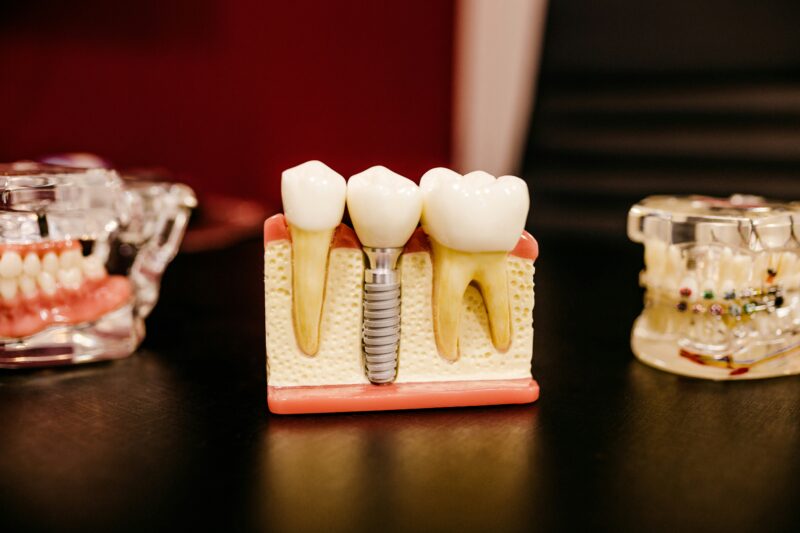
Costs usually split into clear line items: the implant fixture (titanium or zirconia post), the abutment, and the prosthetic crown or overdenture. Expect a single-tooth implant average range of roughly $2,800–$5,600 before benefits; full-arch treatments rise substantially because you need multiple fixtures and custom prosthetics.
Additive procedures carry separate fees: CT scans, bone grafts, sinus lifts, and extractions each appear on the estimate. Clinic location and lab fees for the crown or denture also affect the final bill. Ask the practice for an itemized estimate so you can compare quotes, identify optional services, and confirm which line items a dental plan or HSA will cover.
Factors Affecting Implant Cost
Your mouth’s condition changes the price. Significant bone loss that requires grafting or a sinus lift increases both materials and chair time, so plan for higher fees. The number of implants and whether you choose single crowns, implant-supported bridges, or full-arch prostheses drives the per-unit cost and economies of scale.
Provider experience and technology matter. Board-certified implant surgeons and practices that use guided digital planning, 3D imaging, or premium ceramic materials generally charge more. Geographic region influences baseline pricing: urban and high-cost-of-living areas typically charge higher surgical and lab fees. Insurance coverage and available in-house or third-party financing can reduce upfront out-of-pocket expense.
Comparing Dental Implants to Alternative Treatments
Implants replace a tooth root and crown, whereas bridges and removable dentures replace only the visible tooth portion. A bridge often costs less upfront but requires altering adjacent healthy teeth and may need replacement every 7–15 years. Removable dentures are lowest cost initially but can require frequent relines and reduce chewing efficiency.
Consider long-term value: implants preserve jawbone and typically last longer than bridges or dentures, which can make them more cost-effective over decades despite higher initial outlay. Evaluate total lifecycle costs—initial procedure, maintenance, potential replacements—and factor in how each option affects oral health, function, and quality of life when deciding how to finance treatment.
Dental Implant Payment Plans
You can spread the cost of implants over time, choose short-term zero-interest offers, or use dental-specific credit products. Each option affects your monthly payment, total interest, and eligibility differently.
Types of Payment Plans Available
- In-office installment plans: Many dental offices offer 3–24 month payment plans managed internally. You usually pay a down payment (often 10–50%) and then fixed monthly installments. These plans can be interest-free for short terms or carry modest interest for longer terms.
- Vendor financing / third-party lenders: Companies like CareCredit or similar dental lenders provide revolving credit or installment loans with promotional 0% APR for 6–24 months or longer terms with interest. Prequalification often uses a soft credit check.
- Dental-specific loans: Personal loans marketed for healthcare can cover full implant treatment with fixed rates and terms of 12–60 months. Rates depend on credit score and income.
- Membership or discount plans: Practice membership plans charge an annual fee for discounted services and low-cost financing on major work. They do not act like insurance but reduce cash outlay.
- HSAs/FSAs and co-pay combo: Use HSA/FSA funds for immediate qualified expenses and combine with monthly financing for remaining balance. This lowers taxable cost and monthly payment.
How to Qualify for Payment Plans
Eligibility varies by plan type and lender. In-office plans often require limited verification and a down payment, so many patients qualify even with thin credit histories.
Third-party lenders perform credit checks; better scores and stable income secure longer 0% promotions and lower rates. Prepare recent pay stubs, ID, and treatment estimate to speed approval.
If you plan to use an HSA or FSA, ensure the implant procedure is an approved medical expense and keep receipts for reimbursement. For loans, compare APR, total repayment amount, and prepayment penalties. Ask the office about co-signer options if your credit or income is borderline.
Pros and Cons of Payment Plans
Pros:
- Immediate treatment: Start implant surgery without saving the full amount.
- Predictable monthly payments: Many plans offer fixed monthly amounts that fit budgets.
- Access to higher-quality care: Financing can let you choose implant systems or specialists you otherwise couldn’t afford.
Cons:
- Interest and fees: Promotional 0% APRs can expire; long terms may increase total cost.
- Potential for missed-payment penalties: Late payments can add fees or damage credit with third-party lenders.
- Complexity of combined funding: Using HSA/FSA plus loans requires careful bookkeeping and may not cover all expenses.
Ask for a written cost breakdown, the full repayment schedule, and total cost including interest before committing.
Dental Insurance Coverage for Implants
Insurance often covers parts of implant treatment but rarely the full cost. Expect limits like waiting periods, annual maximums, and varying coverage for diagnosis, surgery, and prosthetics.
What Dental Insurance Typically Covers
Most plans classify implants as major restorative services. That means you can expect partial coverage—commonly 50% of the prosthetic portion (crowns, abutments) after your deductible, while coverage for the implant fixture (the titanium post) is often limited or excluded.
Plans use an annual maximum (frequently $1,000–$2,000) that applies to implants and other services. Waiting periods commonly run 6–12 months for major procedures. Some PPOs may cover more of the cost if you use an in-network provider; HMOs usually limit choices and coverage.
Check plan language for exclusions like “implant services not covered” or “covered only when medically necessary.” Also confirm whether pre-existing conditions or prior tooth loss affect eligibility.
How to Maximize Insurance Benefits
Start by verifying coverage details with your insurer in writing. Ask for: covered percentages for diagnostic, surgical, and prosthetic codes; the annual maximum; deductible amounts; and any waiting periods.
Use an in-network dentist to reduce out-of-pocket cost. If your plan limits implant fixtures, ask whether the insurer will cover a partial benefit equivalent to a bridge or denture; some plans allow this substitution and apply that benefit to your claim.
Coordinate treatment across calendar years to spread costs over two annual maximums. If you have an FSA, HSA, or employer-funded plan, use those funds for deductibles and non-covered portions. Request a predetermination of benefits from your dentist so you know the insurer’s expected payment before treatment.
Navigating Preauthorization and Claims
Obtain preauthorization (predetermination) before surgery. Your dentist should submit treatment plans, radiographs, and cost breakdowns using CDT codes for implants (e.g., D6010 for surgical placement, D6057 for prosthetic restoration). A written predetermination spells out what the insurer will pay.
If a claim is denied, review the denial reason and submit missing documentation or an appeal within the insurer’s timeframe. Keep copies of all records, itemized bills, and correspondence. For complex cases, ask your dentist to file an appeal letter explaining medical necessity and alternative treatments considered.
Track claim processing timelines and follow up promptly. If you face repeated denials, you can request an external review when allowed by state law or escalate through your employer’s benefits administrator.
Alternative Financing and Assistance Options
You can combine multiple strategies to reduce your out-of-pocket cost, lower monthly payments, or access care sooner. The options below focus on liquidity, tax-advantaged funds, and programs that lower or waive fees.
Medical Credit Cards and Third-Party Financing
Medical credit cards and third-party lenders let you spread implant costs over time with varying interest rates and term lengths. Popular options include CareCredit and Sunbit; they offer promotional 0% interest periods for 6–24 months if you qualify. Read the fine print: deferred-interest plans can charge interest retroactively if you miss a payment or don’t pay the balance by the promo end date.
Apply with a full cost estimate from your dentist to compare required minimum payments and total interest across offers. Ask your practice whether they enroll in the lender’s merchant program (some practices offer in-office enrollment). Also check for hard-credit inquiries, impact on your credit score, and whether the lender allows paying the plan off early without penalty.
Health Savings Accounts and Flexible Spending Accounts
If you have a high-deductible health plan, your Health Savings Account (HSA) lets you pay for dental implants tax-free for qualifying medical expenses, reducing your effective cost. HSAs typically carry contribution limits ($4,150 individual / $8,300 family in 2023; check current IRS limits) but funds roll over year-to-year and can be invested.
Flexible Spending Accounts (FSAs) also cover dental implants but use a “use-it-or-lose-it” model unless your employer offers a small rollover or grace period. Verify with your plan administrator whether implants qualify and whether you can pre-fund an account during open enrollment to cover a planned procedure. Keep receipts, itemized treatment plans, and EOBs for reimbursement documentation.
Grants and Dental Discount Programs
Grants, charity clinics, and discount programs can lower or eliminate costs for low-income or uninsured patients. Look for local dental schools that perform implant placements under supervision at reduced fees; typical savings range from 30%–60% depending on case complexity. Nonprofit organizations and community clinics sometimes offer grants or sliding-scale pricing for medically necessary care.
Search state and local resources, dental society programs, and national foundations that fund oral health needs. Be prepared to show income documentation, medical necessity letters, and treatment plans. Clinical trials may also offer reduced-cost implants but often have strict eligibility criteria and longer timelines.
About the Author