If you have lost most or all of your teeth and want a stable, long-term replacement that looks and functions like natural teeth, All-on-4 implants can restore a full arch using just four strategically placed implants. For those researching full arch dental implants cost in Odessa, FL, All-on-4 often avoids bone grafting, shortens treatment time, and gives you a fixed prosthesis that feels far more secure than removable dentures.
You’ll learn how full-mouth dental implants differ from traditional dentures and single-tooth implants, what the All-on-4 procedure involves, who qualifies, and what to expect during recovery and aftercare. This article lays out practical facts so you can decide whether All-on-4 fits your goals for chewing, speech, and confidence.
Understanding Full Mouth Dental Implants
Full mouth dental implants restore an entire arch of teeth, replace missing roots with titanium posts, and support a permanent bridge or denture. They vary by implant number and design, and they generally offer greater stability, chewing function, and bone preservation than removable dentures.
Definition and Overview
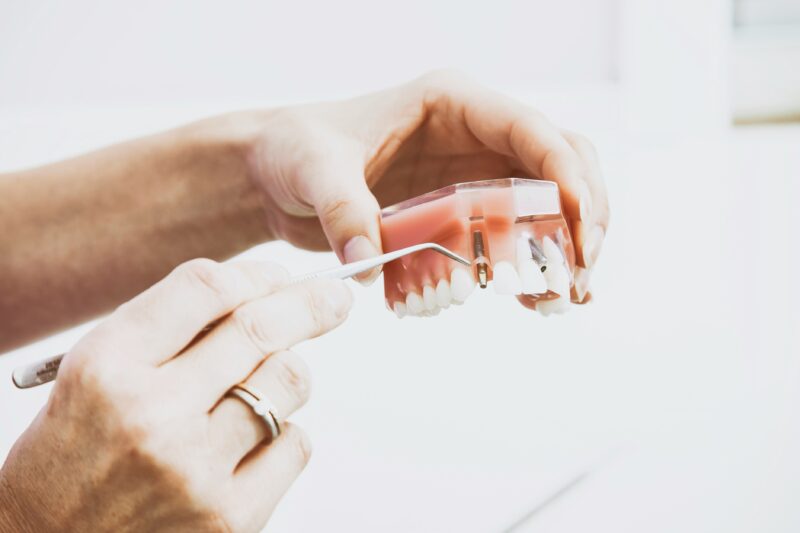
Full mouth dental implants replace all teeth in your upper or lower jaw by anchoring prosthetic teeth to dental implants—small titanium posts surgically placed into your jawbone. The implants act as artificial roots, fusing with bone through osseointegration to provide a stable foundation for a fixed bridge or an implant-retained denture.
You typically receive multiple implants (commonly 4–6 per arch) that support a single prosthesis spanning the entire arch. The procedure may include extractions, bone grafting if bone volume is insufficient, and a temporary prosthesis while healing occurs. Expect several months from implant placement to final restoration when bone integration is complete.
Types of Full Mouth Dental Implants
All-on-4: Uses four implants per arch, with posterior implants angled to maximize available bone and often avoid bone grafts. You often get a fixed provisional prosthesis the same day as implant placement.
All-on-6 / All-on-8: Uses six or eight implants for additional support and distribution of bite forces. These are recommended when you have better bone volume or need greater long-term load distribution.
Implant-retained overdentures: Attach a removable overdenture to 2–4 implants using bars or locators. They cost less and allow easier cleaning, but feel less like fixed teeth.
Choice depends on your jaw bone quality, medical history, budget, and desire for a fixed versus removable prosthesis. Your dentist will assess with CBCT imaging and clinical exam to recommend the best option.
Benefits Compared to Traditional Dentures
Stability and function improve markedly; implants prevent the slipping and clicking typical of removable dentures and restore more chewing efficiency. You can eat a wider range of foods and speak with more confidence.
Bone preservation is a key advantage: implants stimulate the jawbone and slow the bone loss that occurs with conventional dentures. That helps maintain facial structure and denture fit over time.
Comfort and maintenance differ: fixed implant bridges feel more like natural teeth and require routine brushing and flossing, while overdentures need removal for nightly cleaning. Long-term durability is higher for implants, though they require surgical placement and a higher upfront cost.
All-on-4 Dental Implants Explained
This approach replaces an entire upper or lower arch using four implants to support a fixed prosthesis, minimizes the need for bone grafting, and often allows for immediate temporary teeth on the day of surgery.
What Is the All-on-4 Procedure?
All-on-4 places four dental implants in the jaw to support a full-arch prosthesis. Two implants are placed near the front of the jaw vertically, and two are placed toward the back at an angle to maximize bone contact.
You typically receive a temporary fixed bridge the same day or within a few days, so you leave surgery with functioning teeth. After a healing period of about 3–6 months the final prosthesis—made of acrylic over a metal framework or of monolithic zirconia—is delivered for long-term use.
The workflow usually includes diagnostic scans, digital planning, surgical placement, immediate temporization, and later definitive restoration. Expect local anesthesia, sedation options, and post-op instructions for diet and oral hygiene.
How All-on-4 Differs from Other Implant Methods
All-on-4 uses four implants for a full arch instead of placing one implant per tooth. That reduces surgery time, cost, and frequently eliminates the need for sinus lifts or extensive bone grafting.
Traditional full-arch approaches with more implants can distribute load differently and may be chosen when bone volume supports more fixtures. Removable dentures sit on the gums and rely on suction or adhesives; All-on-4 delivers a fixed, non-removable solution anchored to implants.
Compared with implant overdentures, All-on-4 usually offers better chewing force and a more natural feel, while removable options remain easier to clean and sometimes less costly.
Ideal Candidates for All-on-4
You may be a good candidate if you have multiple failing or missing teeth in one arch, significant bone loss in the back of the jaw, or chronic denture instability. The technique suits patients seeking a fixed, long-term replacement and those who want to avoid extensive grafting.
Medical and oral health factors matter: controlled diabetes, non-heavy smoking, and good overall healing capacity improve outcomes. Active gum infection must be treated before surgery. A thorough assessment—clinical exam, CBCT scan, and medical history—determines whether All-on-4 fits your anatomy and health status.
Success Rates and Longevity
Clinical studies report high implant survival rates for All-on-4, commonly above 95% at five years for the implants themselves. Prosthesis complications (wear, fractures, screw loosening) occur more often than implant loss and require maintenance.
Longevity depends on prosthesis materials, occlusion management, your oral hygiene, and regular dental follow-up. Plan on routine checkups every 3–6 months initially and yearly maintenance thereafter. With proper care, implants can last decades, while prosthetic components may need replacement or repair over time.
Who Needs All-on-4 Dental Implants?
All-on-4 often fits people who have lost most or all teeth on a jaw, suffer from failing teeth that won’t respond to restoration, or struggle with unstable dentures. Candidates typically want a fixed, long-term solution that restores chewing, speech, and appearance.
Common Oral Health Issues Addressed
All-on-4 treats extensive tooth loss and advanced tooth decay that make individual crowns or partial implants impractical. It also suits jaws with generalized periodontal (gum) disease where multiple teeth are mobile or already extracted.
You may choose All-on-4 if you wear a loose or uncomfortable denture that causes sore spots, poor chewing, or speech problems. The fixed prosthesis eliminates removal for cleaning and reduces denture-related bone loss compared with removable prostheses.
Severe wear, broken teeth across the arch, or jaws that need heavy bone grafting for many individual implants are also reasons clinicians recommend All-on-4. The technique minimizes grafting by using angled posterior implants to engage denser bone.
Eligibility Criteria
You must have sufficient bone volume in key areas (anterior jaw or posterior bone for tilted implants) or be willing to accept limited grafting. A history of uncontrolled systemic disease (like uncontrolled diabetes) or recent head-and-neck radiation can complicate eligibility.
Tobacco use and certain medications (bisphosphonates, some immunosuppressants) increase failure risk and require discussion with your provider. Age alone is not a disqualifier; rather, your overall health, oral hygiene ability, and commitment to follow-up care matter more.
Expect your dentist to review medical history, oral disease status, and expectations. If you have severe bruxism, the team may recommend additional measures (nightguards, design changes) to protect the restoration.
Consultation and Assessment Process
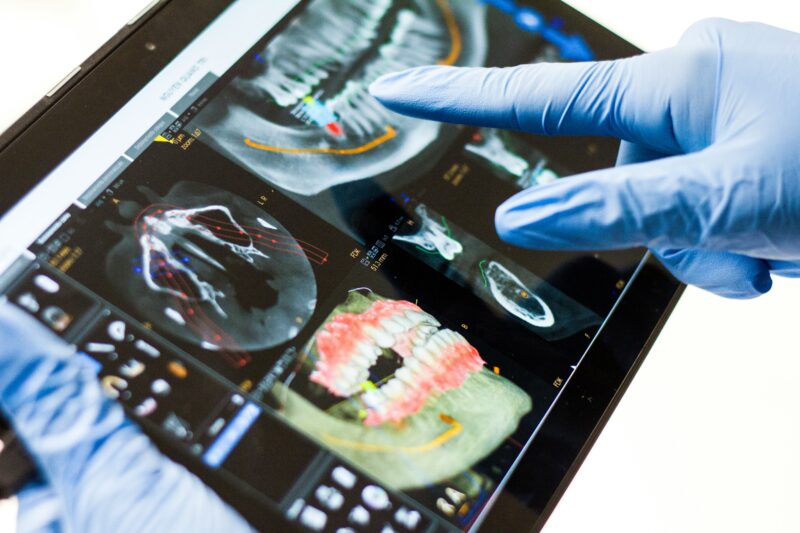
Your first visit will include a clinical exam, intraoral photos, and a panoramic or cone-beam CT scan to map bone quantity and nerve locations. The scan lets the clinician plan implant positions and decide whether angled implants can avoid grafting.
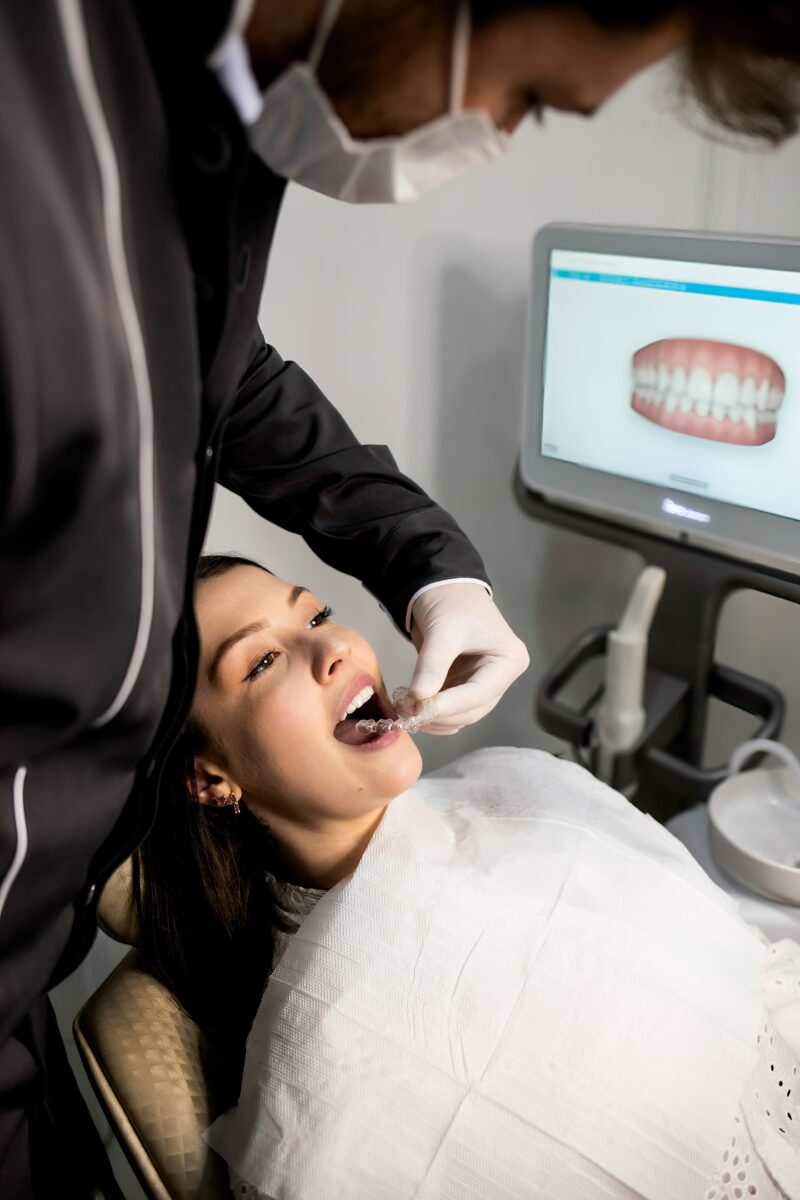
Your dentist will take impressions or a digital scan and discuss prosthesis options: a temporary fixed bridge at surgery versus a staged approach. They will also review anesthesia options, estimated timeline, costs, and potential complications.
Expect a written treatment plan detailing implant positions, prosthesis material, required pre-treatments (extractions, periodontal therapy), and a follow-up schedule. You should leave with clear next steps and informed consent documents explaining risks and realistic outcomes.
Treatment Process and Aftercare
You will learn the sequence from planning and surgery to prosthesis placement, how healing typically progresses, and the daily and professional care needed to protect implants long-term.
Step-by-Step Treatment Timeline
You start with a diagnostic appointment that includes CBCT imaging and impressions. Your clinician uses these to plan implant positions and determine if any extractions or grafting are required.
On surgery day, your surgeon places four titanium implants per arch—two anterior vertical and two posterior angled—to maximize bone use. Many practices attach a temporary fixed prosthesis the same day; this restores function while the implants integrate.
Over the next 3–6 months your mouth adapts. Once osseointegration and soft-tissue healing meet clinical criteria, your dentist takes final impressions and delivers the definitive prosthesis, usually a screw-retained bridge. Expect 3–4 total visits for final adjustments.
Recovery and Healing
Expect peak swelling and most discomfort during the first 48–72 hours. Use prescribed or over-the-counter analgesics, cold packs for 24 hours, and sleep with your head elevated to reduce swelling.
Follow a soft-food diet for 1–2 weeks, avoiding hard, chewy, or sticky foods until your surgeon clears you. Maintain gentle oral hygiene—soft-bristled brush and antimicrobial rinse—to keep the surgical sites clean without disturbing sutures.
Watch for signs of complication: persistent fever, increasing pain after initial improvement, heavy bleeding, or implant mobility. Report any of these immediately so your clinician can assess for infection, hematoma, or early implant failure.
Long-Term Care and Maintenance
Daily care mirrors natural teeth: brush twice daily with a non-abrasive paste and use interdental brushes or floss designed for implants to remove biofilm under and around the prosthesis. Pay special attention to the tissue-prosthesis junction.
Schedule professional maintenance every 3–6 months the first year, then at least biannually. During visits your clinician will remove the prosthesis as needed, check torque on screws, debride around implants, and perform radiographic checks to monitor bone levels.
Avoid smoking and uncontrolled diabetes, as both significantly raise the risk of implant complications. If you grind your teeth, ask about a nightguard to protect the prosthesis and underlying implants from excessive forces.
If you have lost most or all of your teeth and want a stable, long-term replacement that looks and functions like natural teeth, All-on-4 implants can restore a full arch using just four strategically placed implants. For those researching full arch dental implants cost in Odessa, FL, All-on-4 often avoids bone grafting, shortens treatment time, and gives you a fixed prosthesis that feels far more secure than removable dentures.
You’ll learn how full-mouth dental implants differ from traditional dentures and single-tooth implants, what the All-on-4 procedure involves, who qualifies, and what to expect during recovery and aftercare. This article lays out practical facts so you can decide whether All-on-4 fits your goals for chewing, speech, and confidence.
Understanding Full Mouth Dental Implants
Full mouth dental implants restore an entire arch of teeth, replace missing roots with titanium posts, and support a permanent bridge or denture. They vary by implant number and design, and they generally offer greater stability, chewing function, and bone preservation than removable dentures.
Definition and Overview
Full mouth dental implants replace all teeth in your upper or lower jaw by anchoring prosthetic teeth to dental implants—small titanium posts surgically placed into your jawbone. The implants act as artificial roots, fusing with bone through osseointegration to provide a stable foundation for a fixed bridge or an implant-retained denture.
You typically receive multiple implants (commonly 4–6 per arch) that support a single prosthesis spanning the entire arch. The procedure may include extractions, bone grafting if bone volume is insufficient, and a temporary prosthesis while healing occurs. Expect several months from implant placement to final restoration when bone integration is complete.
Types of Full Mouth Dental Implants
All-on-4: Uses four implants per arch, with posterior implants angled to maximize available bone and often avoid bone grafts. You often get a fixed provisional prosthesis the same day as implant placement.
All-on-6 / All-on-8: Uses six or eight implants for additional support and distribution of bite forces. These are recommended when you have better bone volume or need greater long-term load distribution.
Implant-retained overdentures: Attach a removable overdenture to 2–4 implants using bars or locators. They cost less and allow easier cleaning, but feel less like fixed teeth.
Choice depends on your jaw bone quality, medical history, budget, and desire for a fixed versus removable prosthesis. Your dentist will assess with CBCT imaging and clinical exam to recommend the best option.
Benefits Compared to Traditional Dentures
Stability and function improve markedly; implants prevent the slipping and clicking typical of removable dentures and restore more chewing efficiency. You can eat a wider range of foods and speak with more confidence.
Bone preservation is a key advantage: implants stimulate the jawbone and slow the bone loss that occurs with conventional dentures. That helps maintain facial structure and denture fit over time.
Comfort and maintenance differ: fixed implant bridges feel more like natural teeth and require routine brushing and flossing, while overdentures need removal for nightly cleaning. Long-term durability is higher for implants, though they require surgical placement and a higher upfront cost.
All-on-4 Dental Implants Explained
This approach replaces an entire upper or lower arch using four implants to support a fixed prosthesis, minimizes the need for bone grafting, and often allows for immediate temporary teeth on the day of surgery.
What Is the All-on-4 Procedure?
All-on-4 places four dental implants in the jaw to support a full-arch prosthesis. Two implants are placed near the front of the jaw vertically, and two are placed toward the back at an angle to maximize bone contact.
You typically receive a temporary fixed bridge the same day or within a few days, so you leave surgery with functioning teeth. After a healing period of about 3–6 months the final prosthesis—made of acrylic over a metal framework or of monolithic zirconia—is delivered for long-term use.
The workflow usually includes diagnostic scans, digital planning, surgical placement, immediate temporization, and later definitive restoration. Expect local anesthesia, sedation options, and post-op instructions for diet and oral hygiene.
How All-on-4 Differs from Other Implant Methods
All-on-4 uses four implants for a full arch instead of placing one implant per tooth. That reduces surgery time, cost, and frequently eliminates the need for sinus lifts or extensive bone grafting.
Traditional full-arch approaches with more implants can distribute load differently and may be chosen when bone volume supports more fixtures. Removable dentures sit on the gums and rely on suction or adhesives; All-on-4 delivers a fixed, non-removable solution anchored to implants.
Compared with implant overdentures, All-on-4 usually offers better chewing force and a more natural feel, while removable options remain easier to clean and sometimes less costly.
Ideal Candidates for All-on-4
You may be a good candidate if you have multiple failing or missing teeth in one arch, significant bone loss in the back of the jaw, or chronic denture instability. The technique suits patients seeking a fixed, long-term replacement and those who want to avoid extensive grafting.
Medical and oral health factors matter: controlled diabetes, non-heavy smoking, and good overall healing capacity improve outcomes. Active gum infection must be treated before surgery. A thorough assessment—clinical exam, CBCT scan, and medical history—determines whether All-on-4 fits your anatomy and health status.
Success Rates and Longevity
Clinical studies report high implant survival rates for All-on-4, commonly above 95% at five years for the implants themselves. Prosthesis complications (wear, fractures, screw loosening) occur more often than implant loss and require maintenance.
Longevity depends on prosthesis materials, occlusion management, your oral hygiene, and regular dental follow-up. Plan on routine checkups every 3–6 months initially and yearly maintenance thereafter. With proper care, implants can last decades, while prosthetic components may need replacement or repair over time.
Who Needs All-on-4 Dental Implants?
All-on-4 often fits people who have lost most or all teeth on a jaw, suffer from failing teeth that won’t respond to restoration, or struggle with unstable dentures. Candidates typically want a fixed, long-term solution that restores chewing, speech, and appearance.
Common Oral Health Issues Addressed
All-on-4 treats extensive tooth loss and advanced tooth decay that make individual crowns or partial implants impractical. It also suits jaws with generalized periodontal (gum) disease where multiple teeth are mobile or already extracted.
You may choose All-on-4 if you wear a loose or uncomfortable denture that causes sore spots, poor chewing, or speech problems. The fixed prosthesis eliminates removal for cleaning and reduces denture-related bone loss compared with removable prostheses.
Severe wear, broken teeth across the arch, or jaws that need heavy bone grafting for many individual implants are also reasons clinicians recommend All-on-4. The technique minimizes grafting by using angled posterior implants to engage denser bone.
Eligibility Criteria
You must have sufficient bone volume in key areas (anterior jaw or posterior bone for tilted implants) or be willing to accept limited grafting. A history of uncontrolled systemic disease (like uncontrolled diabetes) or recent head-and-neck radiation can complicate eligibility.
Tobacco use and certain medications (bisphosphonates, some immunosuppressants) increase failure risk and require discussion with your provider. Age alone is not a disqualifier; rather, your overall health, oral hygiene ability, and commitment to follow-up care matter more.
Expect your dentist to review medical history, oral disease status, and expectations. If you have severe bruxism, the team may recommend additional measures (nightguards, design changes) to protect the restoration.
Consultation and Assessment Process
Your first visit will include a clinical exam, intraoral photos, and a panoramic or cone-beam CT scan to map bone quantity and nerve locations. The scan lets the clinician plan implant positions and decide whether angled implants can avoid grafting.
Your dentist will take impressions or a digital scan and discuss prosthesis options: a temporary fixed bridge at surgery versus a staged approach. They will also review anesthesia options, estimated timeline, costs, and potential complications.
Expect a written treatment plan detailing implant positions, prosthesis material, required pre-treatments (extractions, periodontal therapy), and a follow-up schedule. You should leave with clear next steps and informed consent documents explaining risks and realistic outcomes.
Treatment Process and Aftercare
You will learn the sequence from planning and surgery to prosthesis placement, how healing typically progresses, and the daily and professional care needed to protect implants long-term.
Step-by-Step Treatment Timeline
You start with a diagnostic appointment that includes CBCT imaging and impressions. Your clinician uses these to plan implant positions and determine if any extractions or grafting are required.
On surgery day, your surgeon places four titanium implants per arch—two anterior vertical and two posterior angled—to maximize bone use. Many practices attach a temporary fixed prosthesis the same day; this restores function while the implants integrate.
Over the next 3–6 months your mouth adapts. Once osseointegration and soft-tissue healing meet clinical criteria, your dentist takes final impressions and delivers the definitive prosthesis, usually a screw-retained bridge. Expect 3–4 total visits for final adjustments.
Recovery and Healing
Expect peak swelling and most discomfort during the first 48–72 hours. Use prescribed or over-the-counter analgesics, cold packs for 24 hours, and sleep with your head elevated to reduce swelling.
Follow a soft-food diet for 1–2 weeks, avoiding hard, chewy, or sticky foods until your surgeon clears you. Maintain gentle oral hygiene—soft-bristled brush and antimicrobial rinse—to keep the surgical sites clean without disturbing sutures.
Watch for signs of complication: persistent fever, increasing pain after initial improvement, heavy bleeding, or implant mobility. Report any of these immediately so your clinician can assess for infection, hematoma, or early implant failure.
Long-Term Care and Maintenance
Daily care mirrors natural teeth: brush twice daily with a non-abrasive paste and use interdental brushes or floss designed for implants to remove biofilm under and around the prosthesis. Pay special attention to the tissue-prosthesis junction.
Schedule professional maintenance every 3–6 months the first year, then at least biannually. During visits your clinician will remove the prosthesis as needed, check torque on screws, debride around implants, and perform radiographic checks to monitor bone levels.
Avoid smoking and uncontrolled diabetes, as both significantly raise the risk of implant complications. If you grind your teeth, ask about a nightguard to protect the prosthesis and underlying implants from excessive forces.
About the Author