Mobility matters when kids are growing up. By moving around, they check out the world, get stronger, connect with people – so they feel more sure of themselves. When movement’s tough for some kids, it doesn’t just slow down their body – it hits emotions and friendships too. That’s why organized help with motion makes such a big difference. Good tools, smart steps, along with parents stepping in, let them do more on their own, join in activities, plus feel better about who they are.
One big help for kids on the move is special wheelchairs – built just for growing bodies. These tools, when picked right and used every day, boost movement skills while also lifting confidence and mood.
Understanding Mobility Challenges in Children
Kids might have trouble moving around because of birth issues, brain-related problems, accidents, or slow development. These issues mess with their balance, how they hold themselves, muscle tightness, but also control over movement. If they don’t get the right help, sitting nicely becomes hard, getting from place to place on their own is tough, yet joining in daily stuff – like class, games, hanging out – isn’t so easy either.
Fewer movements at young ages might cause weak muscles or stiff joints.Getting moving early – and sticking with it – cuts those dangers by getting kids involved in what’s around them instead of just watching life go by.
The Role of Mobility Support in Physical Development
Getting active during early years shapes how kids grow physically, especially when they can move freely or stay balanced. Tools that help with moving aren’t only about getting around – they also boost natural development by letting children engage more.
Pediatric wheelchairs let kids get around on their own – or with little help. Instead of copying adult models, they’re built to grow along with the child, offer solid posture support, while fitting each kid’s needs depending on their condition and how active they are. Good seat support boosts control of the head and torso – key when eating or talking. With solid positioning, muscles work easier, so tiredness drops off.
Young kids using special wheelchairs along with custom seats join everyday activities more easily – this builds muscle strength, boosts blood flow, while helping their bodies stay healthy.
Supporting Motor Skill Development Through Mobility
Motor skills grow by doing the same moves again while exploring surroundings. Since kids can’t always move freely, they get fewer chances to try them out. Still, mobility aids make up for that difference.
Using kids’ wheelchairs helps little ones move easier through school rooms, play areas, or their houses. Because they get around better, they can grab toys, dodge things in their way, while practicing moves that mean something. Doing this builds up big muscle actions like rolling and pivoting – also small hand movements like stretching out fingers or holding stuff.
Adaptive seats help kids learn movement skills better. When seated firmly, they don’t have to worry about tipping over – so their arms and hands can move freely. That steady position matters most during tasks needing careful hand use, such as sketching, gripping pencils, or tapping screens to talk.
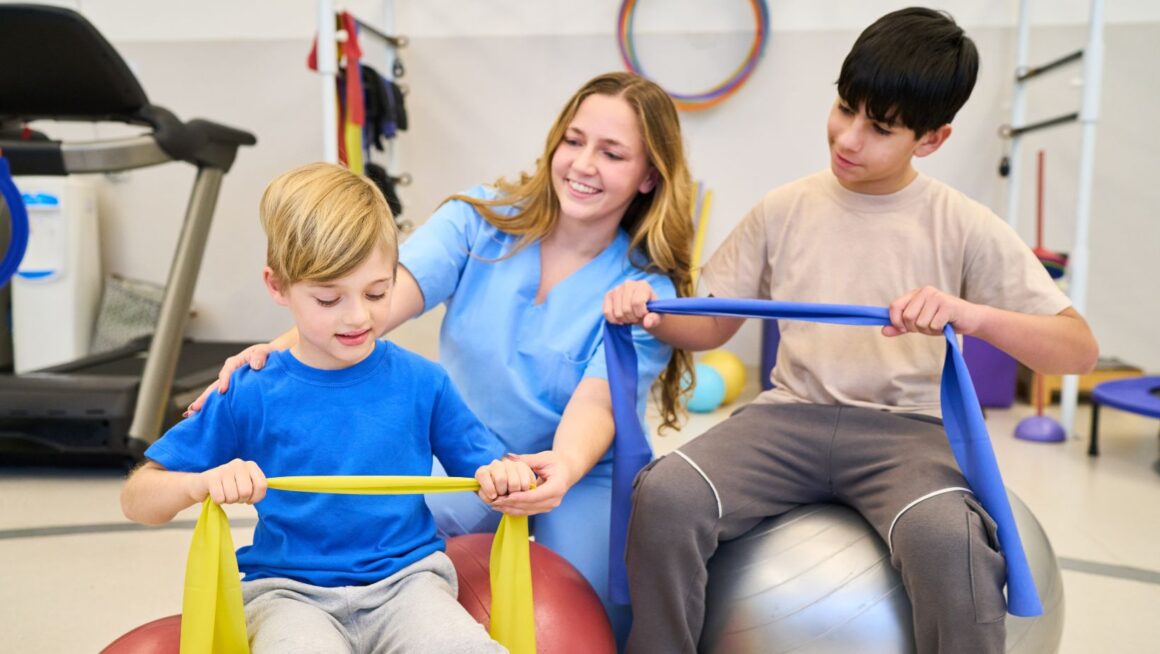
With steady motion plus active involvement, getting around boosts kids’ sense of balance while also lifting self-assurance in what their bodies can do.
Emotional Development and the Power of Independence
Feelings grow strong when kids do things on their own. As they explore freely, trust in themselves starts to build. Their view of who they are gets clearer with every small win. Being able to act without help shapes how proud they feel inside.
Pediatric wheelchairs let kids move around freely, exploring however they like. Because they’re in charge, it builds confidence – important for how they feel inside. Rather than waiting on adults to get them places, they decide where to head and what to try.
Each step shapes steady feelings without drama or empty phrases.
Cognitive Development and Learning Benefits
Mobility helps boost thinking skills too. Because kids explore more when they can shift around easily, which means they interact stronger with stuff they’re supposed to learn from.
Pediatric wheelchairs help kids reach spots around class, join in doing tasks, or chat with classmates and adults. Being involved like this boosts focus, thinking through issues, while also building stronger recall.
adaptive seating helps kids sit steady so they can pay attention longer while working or studying. If a kid isn’t struggling to stay upright, their mind’s free to dive into thinking tasks – like reading aloud, catching what someone says, or sharing thoughts with others.
Removing obstacles helps people learn better, so their minds get a chance to grow. When movement isn’t limited, thinking improves naturally because nothing’s in the way.
The Importance of Individualized Mobility Solutions
Each kid has different needs, so custom gear matters. Since kids get bigger and learn fresh moves, tweaks might be needed so everything still lines up right.
Getting families on board matters a lot. Since caregivers know their way around mobility tools, kids end up with steady help whether at home, class, or out in town.
A tailored method means movement help can boost growth instead of holding it back.
Long Term Impact on Quality of Life
Getting help with movement doesn’t just matter when kids are young. Right from the start, having the right wheelchair or supportive seat changes how well they grow physically, handle emotions later on, and also shapes their ability to do things alone.
Kids using good mobility aids tend to build solid self-confidence plus believe in what they can do. Because of this, they move through life boldly; handle obstacles well while chasing passions.
Fixing body issues along with feelings helps set up a lively, satisfying lifestyle.
Conclusion
Mobility help isn’t just moving around – it’s giving kids power. With smart pediatric chairs or adjusted seats, young ones facing motion limits can check out their world, grow stronger physically, while also feeling more sure of themselves emotionally. Such gear helps keep good body alignment, boosts movement skills, connects them socially, keeps minds active – each part matters for balanced development.
When mobility tools fit a kid’s needs while fitting into everyday routines, these can let kids move past limits – instead – they start tapping into what they’re truly capable of.
F AQs
What makes adjustable seats key for kids who struggle to move around?
Adaptive seats keep the body lined up right while adding steady support, so tiredness drops off. This setup boosts ease during daily tasks – like picking up new skills or sharing meals – with smoother interaction over time. Stability here isn’t just about posture; it lifts mood and confidence alike through active engagement.
Does helping kids move around better their mood?
True, helping kids move around on their own can really help them emotionally – giving freedom, cutting down stress, while also boosting chances to connect with others. As they start feeling able, part of things, their belief in themselves starts rising.
When’s the best time to start helping with movement?
Mobility help can start once it’s needed. Right away action stops further body problems, also aiding natural progress when kids grow fast.