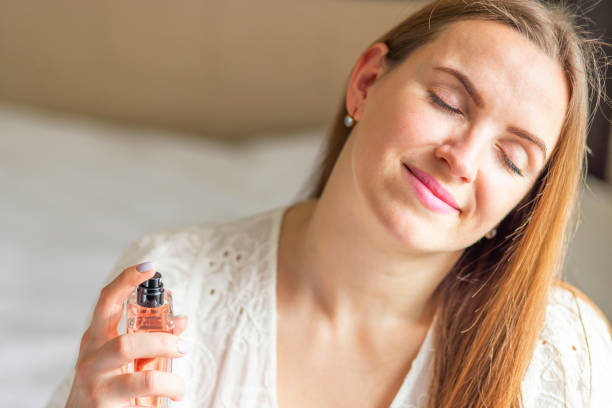
Have you ever smelled a perfume and immediately become calmer, happier, or even nostalgic? It is not your imagination; our sense of smell is deeply intertwined with our emotions. Aromatherapy is a science that tries to answer just this question: how can fragrances affect mood, stress, and even mental performance?
In a world that seems more and more fast-paced and overwhelming, the fact that the power of scent is subtle and can be enjoyable and helpful to comprehend.
How Smell Connects to Emotion
Unlike other senses, smell does not pass through the thalamus, the brain’s sensory relay station, but instead connects directly to the limbic system, which processes emotions and memory. That is why the scent of freshly baked cookies can help you remember childhood, or the smell of lavender can relax and calm your nerves right before a big meeting at the office.
The focal point of this process is the olfactory bulb, which conveys the scent information directly to the amygdala and hippocampus. The parts of the brain control emotional reactions, memory formation, and stress response.
The Science of Stress Relief Through Scents
Some aromas may stimulate the secretion of neurotransmitters, such as serotonin and dopamine, which naturally boost mood and reduce stress. At the same time, the scent of some flowers, such as lavender and chamomile, may reduce cortisol, the primary stress hormone.
This biochemical reaction isn’t just theoretical; studies have shown reduced heart rate, lower blood pressure, and greater feelings of relaxation when participants are exposed to calming aromas.
Popular Aromas for Stress Management
Different scents affect people in unique ways, but several have shown consistent stress-reducing effects:
- Lavender: Classic for relaxation, studies confirm its calming effect on the nervous system.
- Citrus (lemon, orange, bergamot): Uplifts mood and energizes the mind.
- Chamomile: Promotes gentle relaxation and better sleep quality.
- Peppermint and Rosemary: Enhance focus while subtly reducing mental fatigue.
- Vanilla and Woody Notes: Evoke warmth, comfort, and emotional grounding.
How Scent Influences Emotion
The mechanisms through which scent impacts mood are both direct and subtle. Directly, aroma molecules activate the limbic system, influencing memory and emotional response almost instantaneously.
Indirectly, scents carry behavioral associations; a perfume you wore on a happy vacation might calm you simply because of that memory.
Aromatherapy in Daily Life
Integrating scents into your routine doesn’t require elaborate setups. Diffusers, scented candles, essential oil rollers, and personal sprays are all practical tools.
Clinically, aromatherapy has been applied to reduce anxiety in hospital patients and improve relaxation in wellness settings. At home, simply inhaling a calming aroma while practicing deep breathing or meditation can significantly enhance the benefits.
For fragrance enthusiasts, sampling different aromas is key. Using perfume decants is an excellent way to experiment without committing to full bottles. These small, portable samples allow you to explore various scents. You can buy them from a niche perfume sale that suits you the most.
Practical Tips for Using Scents to Reduce Stress
- Personalize Your Scent Choices: Pay attention to which aromas make you feel calm, focused, or energized.
- Integrate with Routine: Pair scents with breathing exercises, meditation, or evening relaxation rituals.
- Experiment Safely: Start with small amounts or sample sizes to see what works best for you.
Conclusion
Perfume decants are an inexpensive and easy way to sample scents and experiment with what you genuinely love, without investing a lot of money in full-sized blends. Having a signature stress-relieving fragrance can be as intimate and rewarding as relieving yourself.
About the Author