Peripheral neuropathy occurs when nerves outside the brain and spinal cord are damaged. Diabetes is one common cause, because high blood sugar can damage nerves and the small blood vessels that supply them, but neuropathy can also have other causes. For patients, this often manifests as numbness, tingling, or a burning sensation in the feet. Since these are the longest nerves in the body, they are often affected first and most severely.
One of the most concerning aspects of neuropathy in the feet is the loss of protective sensation. When nerves cannot accurately sense pain or pressure, they lose their protective warning system. This means small problems such as tight shoes, rough internal seams, friction blisters, redness, cuts, or localized pressure spots can go completely unnoticed because your awareness of pressure is reduced. Early skin breakdown can worsen if you cannot feel the irritation prompting you to adjust your shoes.
For people with diabetes-related neuropathy, documented circulation issues, prior ulcers, or significant loss of sensation, navigating foot care requires guidance from a physician or podiatry care team. Proper footwear does not treat the underlying neuropathy itself. Instead, it serves as a critical protection and risk-reduction tool to help prevent unnoticed injuries.
How Pressure and Friction Lead to Foot Injury
Foot protection involves reducing repetitive physical stress before it causes skin breakdown. This stress typically takes two specific forms: pressure and friction.
Pressure occurs when one part of your foot bears excessive force, often exacerbated by structural deformities that push the foot against the shoe. Friction, and the corresponding shear force, happens when the foot rubs against a sock or shoe lining, while the skin and deeper tissue move differently under pressure.
In healthy bodies, repetitive stress causes pain that naturally alerts a person to remove, adjust, or replace their footwear. However, neuropathy reduces or eliminates these crucial warning signals; in fact, sensory loss is a major contributor to diabetic foot ulcers. You may not feel the pain needed to prompt an adjustment. Over time, unresolved pressure and friction can lead to localized redness, calluses, blisters, open sores, or ulcers.
Daily Foot Care Before Footwear Choices
While properly fitted footwear offers essential protection, your daily inspection habits are equally important as the first line of defense for reducing injury risk. Footwear works best when paired with vigilant daily routines.
Inspect feet every day
Daily self-inspections must cover the tops, soles, heels, toes, and the spaces between the toes. Because about half of people with diabetes have some kind of nerve damage, and the feet and legs are often affected, you cannot rely on pain to alert you to problems. Look for redness, swelling, blisters, cuts, drainage, dark spots, new calluses, or uncharacteristic changes in skin temperature. If limited mobility or poor vision prevents a thorough check, use a mirror or ask a caregiver for assistance.
Check shoes before putting them on
People with numbness may not feel objects, folded insoles, or hazards inside their shoes. Therefore, you must visually and manually inspect your shoes before every use. Check inside for pebbles or debris, a torn lining, rough internal seams, lingering moisture, wrinkled insoles, or worn cushioning. Unnoticed objects inside a shoe can quickly create a pressure spot, sore, or blister.
Avoid walking barefoot
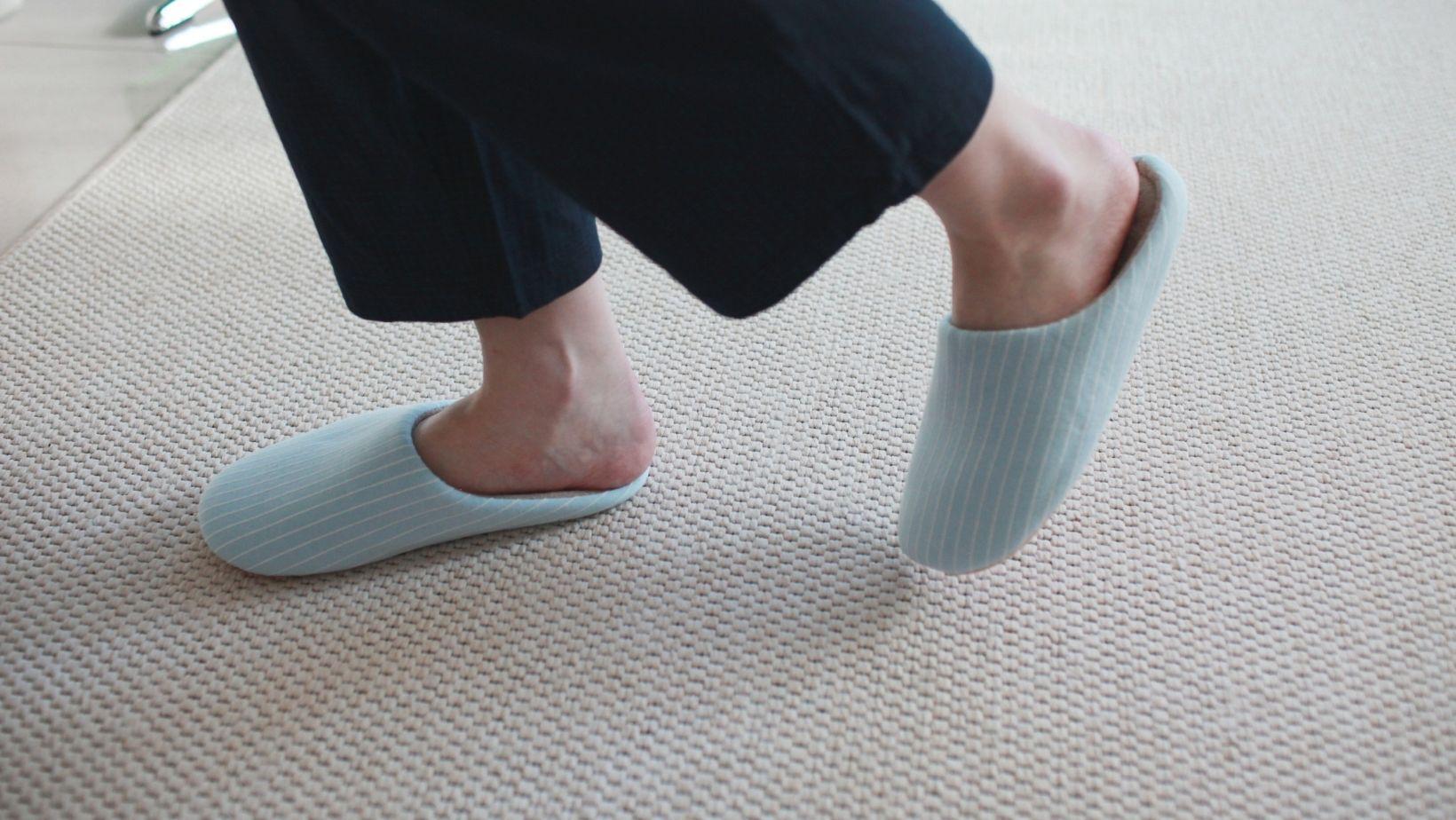
Walking barefoot increases your chance of sustaining cuts, burns, punctures, or unnoticed irritation. This applies both outdoors and indoors, as stepping on a small object at home without feeling it presents a high risk for a silent puncture wound.
Act early on redness, blisters, or wounds
Never wait for a minor lesion to hurt before treating it. Contact a doctor or podiatrist promptly for any open sore, wound that does not improve, drainage, spreading redness, unusual warmth, signs of infection, or localized swelling. Seek urgent care for rapidly worsening symptoms, fever, black or blue tissue, or severe swelling.
Footwear Features That Help Reduce Pressure and Friction
The right shoes act as a mechanical buffer, helping to reduce external stress on sensitive feet by providing adequate space, cushioning, stability, and proper fit.
Wide toe box and extra depth
A wide toe box allows your toes to spread naturally without rubbing against the rigid sides of the shoe. Extra depth helps reduce pressure on the top of the foot and can comfortably accommodate natural daily swelling, removable protective inserts, or custom orthotics. Conversely, tight toe boxes can increase concentrated pressure directly on bunions, hammertoes, or sensitive calluses.
Smooth or seamless interior
Internal seams, rough stitching, or hard internal edges can create unwanted friction. A completely smooth or seamless interior is especially useful for anyone who might not feel repetitive rubbing early. Run a hand inside the shoe before wearing it to check for rough spots, seams, or debris.
Cushioning with stable support
While proper cushioning helps absorb impact and reduces localized pressure, overly soft or squishy shoes can ironically increase wobble. The ideal therapeutic shoe provides necessary protective cushioning while still feeling highly stable underfoot.
Adjustable closure and secure heel fit
Adjustable closures like laces or Velcro straps easily accommodate normal daily swelling and securely prevent the foot from sliding forward. A firm, secure heel fit is equally necessary to stop the back of the foot from slipping upwards, reducing friction caused by repetitive movement inside the shoe.
Non-slip outsole and stable base
Neuropathy can affect balance and foot awareness, making stable footwear especially important. A structured shoe featuring a textured, non-slip rubber outsole supports much safer walking, particularly on hard floors or uneven transitional surfaces.
Men’s footwear considerations
Men experiencing neuropathy may need footwear with more width, deeper toe space, supportive cushioning, and smoother interiors than many standard casual, dress, or work shoes provide. Rigid dress shoes, narrow toe boxes, and heavily worn soles create pressure or friction that may be difficult to notice early. For readers comparing mens shoes for neuropathy, look for options with protective features such as extra depth, wider widths, cushioned support, removable insoles, stable outsoles, and smooth interiors that help reduce rubbing.
Shoes and Socks to Avoid With Neuropathy
Certain types of footwear can increase the risk of pressure, friction, or instability for people with reduced sensation.
You should avoid narrow styles or pointed-toe shoes that severely compress the forefoot. High heels disrupt natural balance and forcefully shift excessive weight onto the toes. While convenient, thin flip-flops and backless shoes often force your toes to claw the sole to prevent the shoe from falling off. Furthermore, eliminate any rigid dress shoes, styles featuring rough internal seams, and heavily worn footwear with bottomed-out cushioning. If a shoe causes noticeable heel slip or requires a painful break-in period, it is unsafe for neuropathic feet.
Your socks also play a critical role in foot protection. Socks with thick seams, bunching fabric, or excessive moisture retention actively contribute to rubbing and friction forces. Instead, opt for smooth, well-fitting socks that wick moisture and stay securely in place without bunching.
How to Test Shoe Fit Before Daily Wear
Even footwear built with excellent protective features must fit correctly to safely serve its purpose. Since sensory loss makes comfort an unreliable metric, follow this actionable daily checklist:
Fit shoes later in the day
Feet naturally experience physiological swelling throughout the day. Trying on footwear later in the afternoon helps avoid buying shoes that become dangerously tight by the evening.
Wear the socks and orthotics you actually use
Always test shoes while wearing the exact socks, daily inserts, rigid braces, or orthotics you plan on using to ensure the internal volume accommodates your realistic requirements.
Check for heel slip and toe pressure
Your heel must feel entirely secure without rubbing against the collar, and your toes should have ample room to wiggle and spread without being squeezed laterally or restricted vertically.
Break in shoes gradually
Wear any new shoes for only short periods at first. Slowly increase the duration to routinely prevent sudden, unnoticed tissue damage, and remain vigilant for early signs of skin irritation.
Inspect feet after wearing new shoes
For individuals with severely reduced sensation, it is critically important to routinely remove and inspect your feet for redness, pink pressure marks, or irritation after wearing any new footwear.
When to Seek Professional Foot Care
Preventive footwear and daily hygiene do not replace clinical care. Contact a doctor or podiatrist if you notice open sores, blisters that do not heal, lingering redness that does not fade, unusual drainage, sudden swelling, localized warmth, or other signs of infection.
Additionally, consult a specialist immediately for worsening numbness, new balance problems, ongoing foot deformities, diabetes-related foot concerns, or a suspected developing ulcer. People diagnosed with diabetes, documented systemic circulation problems, prior foot ulcers, or severe loss of protective sensation often require regular professional podiatry monitoring every 3 to 6 months to help catch minor issues before they progress.
Key Takeaways
Managing your foot health alongside reduced sensation requires consistent daily attention, but severe complications are highly preventable with proactive protection habits. Keep these practical early action principles established:
- Neuropathy can fundamentally reduce your protective sensation, silently masking pain.
- Sustained pressure and friction cause severe tissue damage well before physical pain is noticed.
- Daily visual foot checks assist heavily in catching dangerous problems early.
- Your shoes must actively reduce pressure, rubbing friction, and gait instability.
- Specifically prioritize footwear features like wide toe boxes, extra vertical depth, proper cushioning, smooth interiors, secure closures, and non-slip soles.
- Strictly avoid narrow, highly unstable, worn-out, or rough-interior shoes.
- Seek prompt professional medical care for persistent wounds, infection signs, or concerning skin color changes.
About the Author