If you’ve lost more than one tooth, implants give you durable, natural-feeling options that can restore chewing, speech, and confidence. For those researching implants in Brentwood, TN, you can replace multiple adjacent teeth with either individual implants or an implant-supported bridge or arch — choosing the option that balances function, appearance, and cost.
This article breaks down how implants work for multiple-tooth gaps, compares solutions like implant-supported bridges and full-arch systems, and shows the cost factors that matter most so you can plan financially. Expect clear guidance on which approach fits different situations and what to ask your dentist to get the best outcome for your mouth and budget.
Understanding Dental Implants for Multiple Teeth
You’ll learn how implants replace tooth roots, what functional and health benefits implant-supported restorations provide, and the common materials used for implants and prosthetic teeth.
How Dental Implants Work
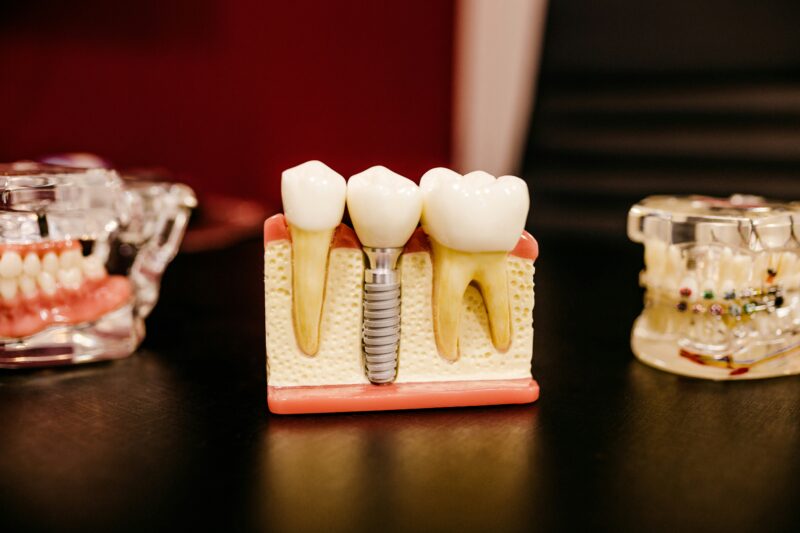
Dental implants are titanium or zirconia posts surgically placed into your jawbone to act as artificial tooth roots. After placement, the bone grows around the implant in a process called osseointegration, which creates a stable foundation for crowns, bridges, or full-arch prostheses.
For multiple missing teeth you can choose individual implants for each tooth, implant-supported bridges that span several adjacent gaps, or full-arch solutions like All-on-4 that use fewer implants to support a whole dental arch. Your dentist evaluates jawbone volume, spacing between implant sites, and bite forces to plan implant number, position, and angulation.
Healing time varies by case but typically ranges from a few weeks to several months before attaching final restorations. Temporary prostheses often maintain appearance and function during healing.
Benefits of Implant-Supported Restorations
Implant-supported restorations restore chewing efficiency close to natural teeth, allowing you to eat a wider range of foods than with removable dentures. They anchor restorations without relying on adjacent natural teeth, so you avoid altering or stressing healthy teeth.
You also reduce the risk of jawbone loss that occurs after tooth loss because implants stimulate the bone. Implant restorations improve speech and comfort compared with loose dentures and typically provide longer-lasting results than conventional bridges or partials when cared for properly.
Keep in mind maintenance: you’ll need regular hygiene, periodic professional check-ups, and possibly night guards if you grind teeth. Success depends on good oral hygiene, controlled systemic conditions (like diabetes), and sufficient bone or grafting when required.
Dental Implant Materials
Implant fixtures typically use two main materials: titanium (commercially pure or titanium alloy) and zirconia (a high-strength ceramic). Titanium has a long record of clinical success and excellent osseointegration. Zirconia offers a metal-free option and may be chosen for aesthetic or allergy-concern reasons.
Prosthetic teeth (crowns, bridges, or full-arch prostheses) use materials such as porcelain-fused-to-metal, full-contour zirconia, or layered porcelain for improved appearance. Choice depends on strength needs, esthetic zone, and opposing dentition.
Ask your clinician about material trade-offs: titanium is highly durable and well-studied, zirconia improves translucency and avoids metal, and different crown materials balance fracture resistance against lifelike appearance.
Options for Replacing Multiple Teeth with Implants
You can replace several adjacent teeth, a full arch, or most of your teeth using implant-based solutions that vary by implant count, support type, and removability. Each option balances surgical complexity, cost, chewing function, and maintenance differently.
Implant-Supported Bridges
An implant-supported bridge uses two or more implants to anchor a fixed dental bridge that replaces a run of missing teeth. You don’t need an implant for every missing tooth; implants are spaced to support a multi-tooth prosthesis, which lowers the number of implants and often reduces cost compared with single implants for each tooth.
Expect a staged process: implant placement, healing (osseointegration), then a custom bridge. This gives you strong chewing ability and a natural look. Bridges transfer bite forces through implants to the jawbone, which helps preserve bone where teeth are missing. Maintenance includes regular cleaning under the bridge and routine dental visits. You should plan for X-rays and occasional screw or crown repairs over time.
Implant-Supported Dentures
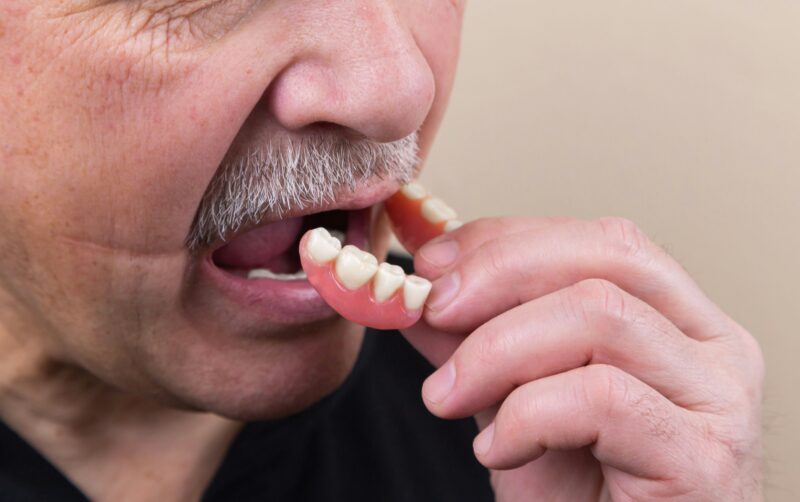
Implant-supported dentures attach to two or more implants and can be removable or fixed depending on the design. Removable overdentures snap on and off the implants for cleaning. Fixed options are screwed or cemented in place and require a dental professional to remove them.
This approach improves stability compared with traditional dentures and increases chewing efficiency. You’ll get better retention, reduced slipping, and less gum irritation. Implant numbers often range from 2–6 per arch depending on support needs and bone quality. You should expect periodic maintenance of attachments and relines for the denture base as your gums and bone remodel.
All-on-4 and Full-Arch Solutions
All-on-4 and similar full-arch protocols restore an entire upper or lower arch using four to six strategically placed implants. Implants are angled to maximize available bone and often allow for same-day provisional teeth. You can leave with fixed provisional restorations the same day in many cases, then receive definitive prostheses after healing.
These solutions minimize the number of implants needed for a full-arch restoration, cutting surgical time and cost relative to placing an implant for every tooth. They provide fixed, non-removable teeth with excellent function and aesthetics. Bone grafting is less commonly required because of implant angulation, but you should verify bone volume and medical suitability during planning.
Choosing the Right Option for Your Needs
Decide based on how many teeth need replacement, jawbone quantity, budget, and how permanent you want the restoration to be. If you have enough bone and want individual tooth replacement, multiple single implants offer the most natural load distribution. If you need to replace a span of teeth with fewer implants, an implant-supported bridge usually fits best.
For full-arch rehab or when you want fixed teeth with fewer implants, consider All-on-4 or full-arch systems. If you prioritize lower upfront cost and easier hygiene, implant-supported removable dentures may suit you. Consult your implant dentist for a CT scan, treatment timeline, estimated implant count, and a written cost breakdown before committing.
Cost Considerations and Financial Planning
Expect large up-front variability in total price, and plan for procedure-specific fees, possible bone or sinus grafting, and ongoing maintenance. Know typical price ranges, payment options, and how future repairs or prosthesis replacements affect your budget.
Factors Influencing Implant Costs
Implant cost depends mainly on the number of implants, the type of restoration (single crowns, implant-supported bridge, All‑on‑4/6, or individual full‑arch implants), and whether you need bone grafting or sinus lifts. Geographic location and the clinician’s experience also change fees; metropolitan specialists often charge more than general dentists in smaller towns.
Material and lab fees matter: zirconia or high-end hybrid prostheses cost more than acrylic over titanium bars. Imaging (CBCT), guided-surgery stents, and sedation add predictable line items.
Ask your provider for an itemized estimate that separates surgical fees, implant hardware, prosthesis fabrication, and grafting so you can compare quotes and identify negotiable components.
Insurance and Payment Options
Dental insurance may cover part of the crown or bridge portion but rarely pays full implant surgery costs; benefits often cap annually and classify implants as major procedures. Verify your plan’s annual maximum, waiting periods, and whether the insurer requires preauthorization.
Explore alternatives: dental savings plans, health care credit (CareCredit), medical loans, and in-office financing. Some practices offer payment plans with low or no interest for a set period.
Request a written estimate and ask the office to submit predetermination to your insurer to reduce surprise out‑of‑pocket costs.
Long-Term Value and Maintenance Costs
Expect routine maintenance costs such as annual exams, cleanings, and occasional prosthesis adjustments. A single implant-supported crown typically lasts many years, but prosthetic components—abutments, screws, and full-arch prostheses—may need replacement over a decade.
Factor potential complications: peri-implantitis treatment, screw loosening, or acrylic wear on hybrid dentures. These repairs are usually less costly than initial placement but not negligible.
Compare lifetime cost per year when evaluating options: a higher initial price for a durable, serviceable prosthesis can cost less over time than cheaper restorations that require frequent repairs or replacements.
About the Author