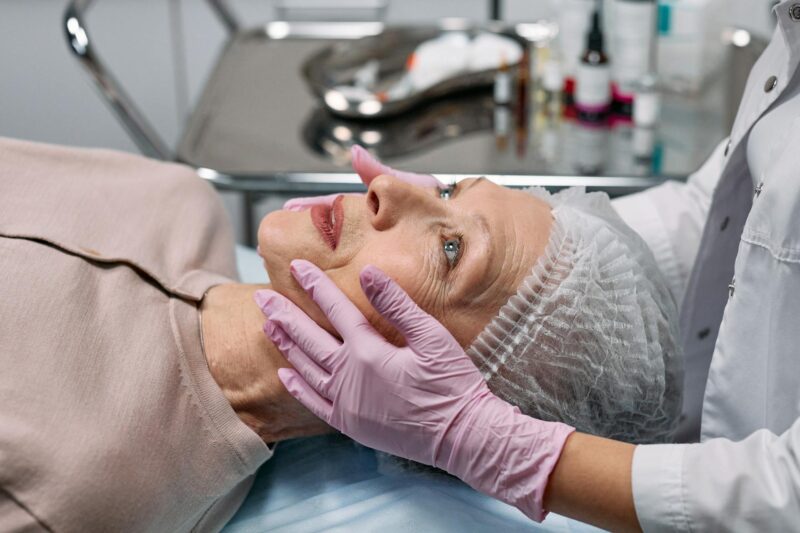
Non-surgical facial treatments have become a practical choice for people who want visible aesthetic improvement without long recovery periods or surgical risk. These procedures focus on gradual structural support, skin quality, and facial balance rather than dramatic change. As techniques improve, safety has shifted from being a concern to becoming a measurable standard based on materials, practitioner skill, and patient selection. This change has reshaped how facial aesthetics fits into modern self-care routines.
A key reason for this shift lies in predictability. Non-surgical treatments allow precise control over depth, volume, and placement. That control reduces complications and makes results easier to adjust over time. Instead of one irreversible decision, patients can refine outcomes across multiple sessions, which supports long-term skin health and natural facial proportions.
How Non-Surgical Facial Treatments Work
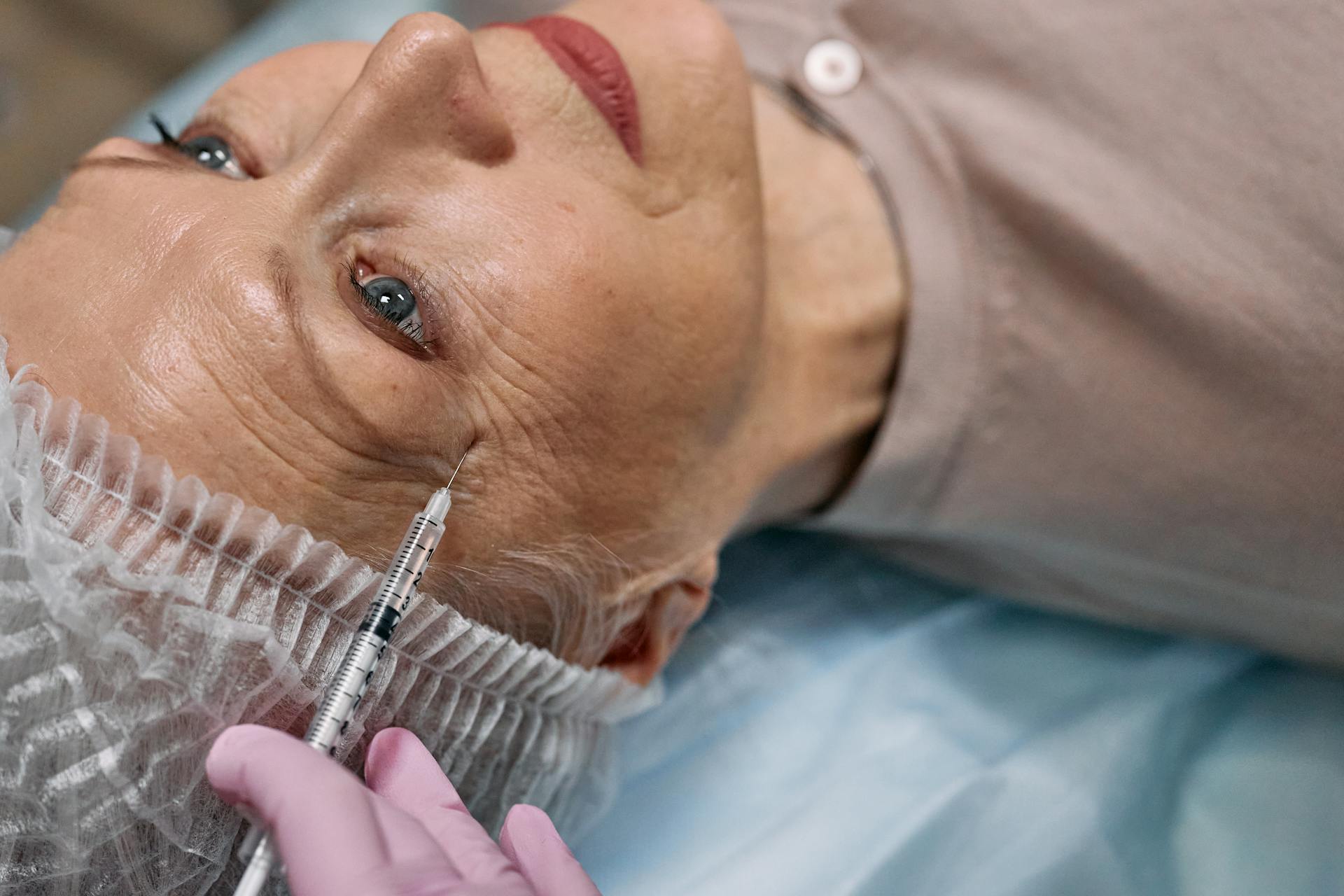
Most non-surgical facial procedures rely on injectable or device-based methods that work within the skin’s existing structure. Injectables address volume loss, contour irregularities, and fine lines by restoring support in targeted areas. Energy-based treatments focus on skin texture and firmness by stimulating collagen production at controlled depths.
Both approaches depend on accurate anatomical knowledge. Facial muscles, fat compartments, and blood vessels vary from person to person. Safe application requires a tailored plan that respects these differences. This planning stage connects directly to outcomes because correct placement limits swelling, bruising, and vascular risk.
Safety Standards That Shape Modern Aesthetic Care
Safety in facial aesthetics begins with material quality. Injectable products must meet strict manufacturing and storage requirements. Reputable suppliers provide batch traceability, sterile packaging, and clear composition details. These factors reduce the risk of adverse reactions and ensure consistent behavior once injected.
Practitioner training also plays a major role. Certified professionals follow standardized protocols for injection depth, volume limits, and emergency management. Access to reversal agents and post-treatment monitoring further reduces long-term risk. Together, these measures create a treatment environment built around prevention rather than correction.
Injectable Treatments and Facial Structure
Injectable treatments are designed to support facial structure as it changes over time. Natural aging leads to volume reduction in key areas such as the cheeks, temples, and jawline. This shift affects how light reflects across the face, which contributes to a tired or uneven appearance.
Targeted injections restore balance by reinforcing deeper layers rather than stretching the skin surface. This structural approach improves facial harmony while preserving natural movement. Results develop gradually, which helps avoid sudden or artificial-looking changes.
Dermal Filler Options
Why Product Choice Matters
Selecting reliable dermal fillers directly influences safety and longevity. Dermal filler options like Dermalax are formulated with cross-linked hyaluronic acid, a substance naturally found in the skin. This compatibility supports smooth integration into tissue and predictable breakdown over time.
Dermalax fillers are known for consistent viscosity and elasticity. These properties allow practitioners to choose formulations based on treatment area, whether adding subtle volume or refining contour definition. Controlled spread reduces migration risk, which contributes to stable results across follow-up visits.
Application and Patient Experience
Proper application techniques determine how dermal fillers behave after placement. Slow injection and layered distribution help the filler settle evenly within the tissue. This approach minimizes pressure-related discomfort and supports symmetrical outcomes.
Post-treatment response often includes mild swelling or tenderness that resolves within days. Hyaluronic acid fillers attract water, which supports hydration in the treated area while maintaining softness. These characteristics make them suitable for patients seeking gradual improvement without extended downtime.
Areas Commonly Treated With Non-Surgical Methods
Cheeks and mid-face regions often receive attention first due to early volume loss. Supporting these areas indirectly improves the appearance of the lower face by reducing sagging. Jawline definition benefits from precise filler placement that reinforces natural bone structure rather than creating sharp angles.
Nasolabial folds and marionette lines respond well to conservative filler use. Treating adjacent support zones often reduces the depth of these lines without direct injection. This method lowers filler volume requirements and maintains facial expression.
Risk Management and Patient Assessment
Every safe treatment begins with assessment. Medical history review identifies conditions that may affect healing or filler integration. Skin quality, elasticity, and thickness guide product selection and injection depth. These factors connect directly to complication prevention.
Risk management also includes realistic goal setting. Patients with clear expectations tend to experience higher satisfaction and lower stress during treatment. Open discussion about gradual change supports trust and reduces pressure to overcorrect in a single session.
Recovery and Aftercare Considerations
Recovery after non-surgical facial treatments is usually brief, though proper aftercare supports better outcomes. Patients are often advised to avoid intense exercise, heat exposure, and facial massage for a short period. These precautions reduce filler displacement and limit inflammation.
Hydration and gentle skincare help stabilize treated areas. Follow-up appointments allow practitioners to assess integration and make small adjustments if needed. This ongoing process reinforces safety while refining results over time.
Long-Term Planning for Facial Treatments
Non-surgical facial care works best as a long-term strategy rather than a one-time solution. Facial anatomy continues to change due to aging, weight fluctuation, and lifestyle factors. Periodic reassessment ensures treatments remain aligned with these changes.
Spacing treatments appropriately prevents tissue overload and maintains skin integrity. Using reversible fillers adds an extra layer of security, allowing correction if facial proportions shift unexpectedly. This adaptability supports confidence in ongoing care.
Why Non-Surgical Options Continue to Gain Trust
Trust in non-surgical facial treatments grows because outcomes are measurable and adjustable. Patients value procedures that respect natural features while offering visible improvement. Advances in filler technology and application techniques have reduced complication rates across experienced clinics.
As education improves, patients arrive better informed and more engaged in treatment planning. This collaboration strengthens safety standards and promotes responsible aesthetic care. Non-surgical options now represent a balanced approach that prioritizes structure, skin health, and patient well-being without surgical intervention.
About the Author