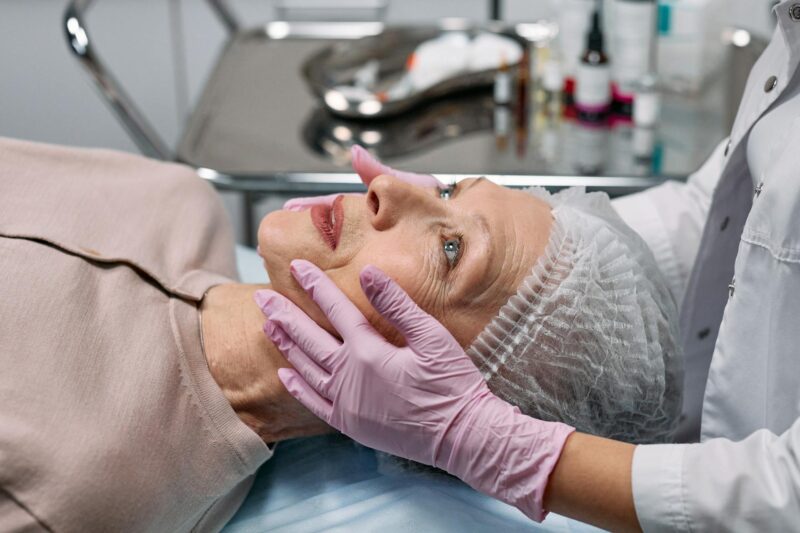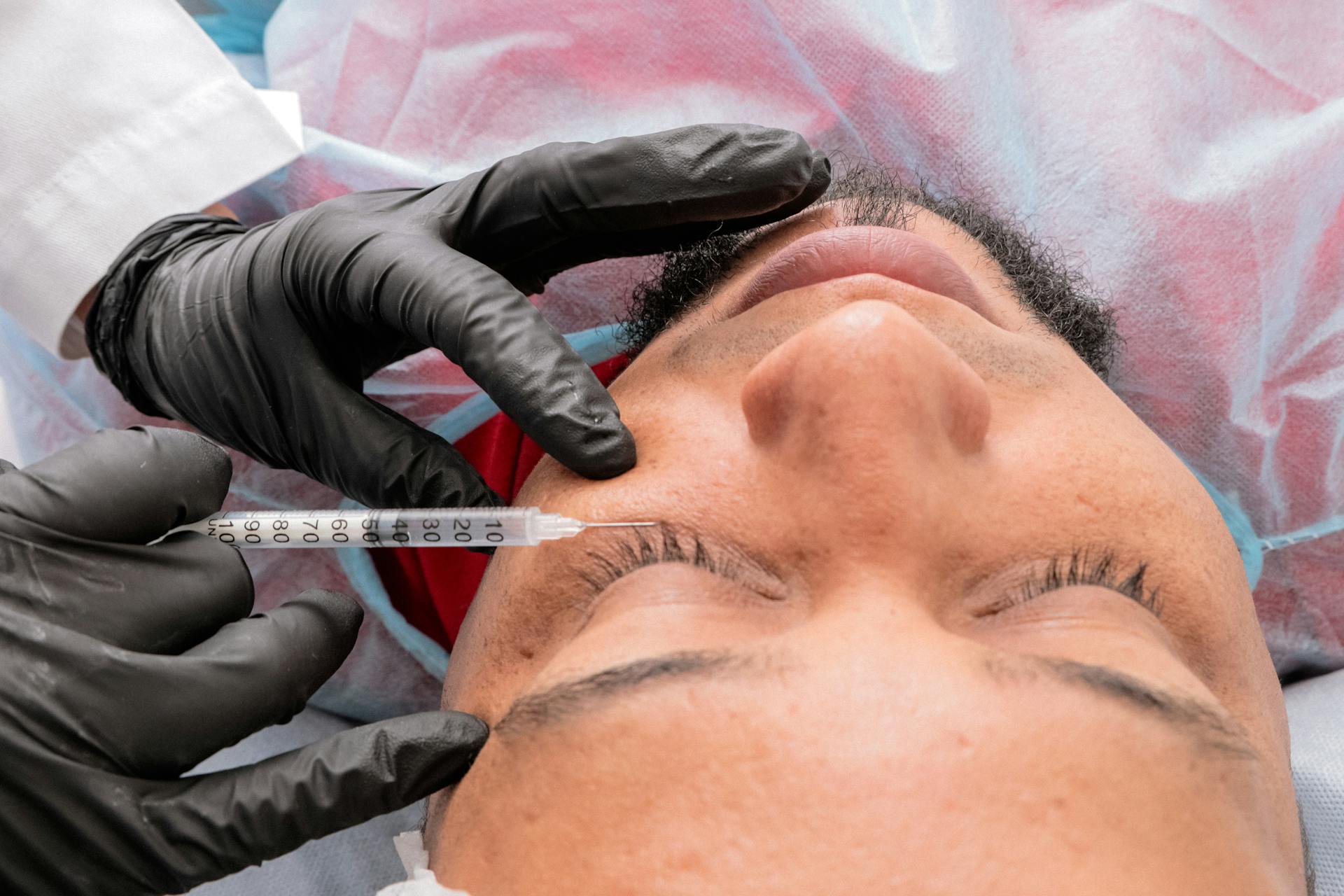
Facial aesthetic treatments have become more precise and more accessible over the past decade. As techniques improve, patient expectations have also shifted. People no longer focus only on visible results. Comfort during the procedure now plays an equally important role. Clinics that prioritize pain management often see better cooperation during treatment, fewer interruptions, and smoother post-procedure recovery. Reducing discomfort is not about numbing sensation entirely but about controlling it in a predictable and safe way.
Pain perception during facial treatments varies widely. Factors such as skin thickness, nerve density, treatment depth, and individual sensitivity all influence how a person experiences a procedure. Because of this variability, professionals rely on layered strategies rather than a single solution. These strategies begin with treatment planning and extend through product selection, application technique, and aftercare.
Why Discomfort Occurs During Facial Procedures
Most facial treatments involve some degree of skin disruption. Injectables penetrate the dermis or subcutaneous layers, while laser and energy-based devices generate heat within the tissue. Even minimally invasive procedures stimulate nerve endings, triggering discomfort or pain signals. The face contains a high concentration of sensory nerves, particularly around the lips, nose, and eyes, which explains why these areas often feel more sensitive.
Inflammatory response also contributes to discomfort. As tissue reacts to micro-injury, localized swelling and pressure can intensify sensation. This response is normal and often temporary, but managing it during the procedure helps maintain patient comfort and allows practitioners to work with greater precision.
The Role of Preparation in Pain Reduction
Proper preparation sets the foundation for a more comfortable experience. Skin assessment helps determine sensitivity levels and identifies areas that may require extra care. A patient with thinner skin or a history of heightened sensitivity may benefit from longer topical numbing time or additional cooling steps.
Preparation also includes patient education. Clear explanations about what sensations to expect can reduce anxiety, which directly influences pain perception. When muscles remain relaxed and breathing stays steady, nerve signals register less intensely. This psychological component is often underestimated but has measurable effects on treatment tolerance.
Topical Numbing Agents in Clinical Practice
Topical anesthetics remain one of the most widely used tools for discomfort control. These products work by temporarily blocking nerve signal transmission at the skin surface. Lidocaine-based formulations are common due to their established safety profile and predictable onset time. When applied correctly, they reduce sharp or stinging sensations without affecting deeper muscle movement.
Effectiveness depends on concentration, formulation, and contact time. Occlusion often improves absorption, allowing the active ingredients to penetrate more effectively. Proper removal before treatment is essential to maintain hygiene and avoid interference with procedural accuracy.
Choosing an Anesthetic Cream for Skin Treatments
Selecting an appropriateproduct requires attention to formulation and regulatory approval. Products such as EMLA, anesthetic cream for skin treatments combine lidocaine and prilocaine, offering balanced numbing suitable for injectables, laser procedures, and microneedling. The dual-agent formula allows for effective surface anesthesia while maintaining a favorable safety margin when used according to guidelines.
Application protocols matter as much as the product itself. Uniform thickness, adequate exposure time, and careful removal all influence outcomes. Overapplication or extended exposure increases the risk of irritation without adding meaningful benefit. When integrated into a structured treatment plan, topical anesthetics support both patient comfort and procedural efficiency.

Cooling Techniques as a Complementary Approach
Cooling methods provide an additional layer of comfort control. Ice packs, chilled air devices, and cooling rollers reduce nerve conduction speed, lowering pain perception during treatment. Cooling also constricts blood vessels, which can help limit bruising and swelling in injectable procedures.
Timing plays a key role. Cooling applied before treatment prepares the skin, while cooling during pauses maintains comfort. Post-treatment cooling supports recovery by calming inflammation. These methods work best when paired with topical anesthetics rather than used alone.
Injection Techniques That Minimize Sensation
Technique influences discomfort as much as any product. Slow injection speed reduces tissue expansion pressure, which patients often describe as the most uncomfortable aspect of injectables. Smaller gauge needles or blunt cannulas can also decrease pain by limiting tissue trauma.
Angle and depth consistency matter. Erratic movements stimulate more nerve endings, increasing discomfort. Experienced practitioners rely on steady hand positioning and controlled pacing, allowing patients to adapt to sensation rather than react to sudden changes.
Energy-Based Treatments and Comfort Management
Laser and radiofrequency procedures present unique challenges. Heat accumulation triggers discomfort differently than needle penetration. Adjustable energy settings allow providers to balance efficacy with comfort. Gradual energy increases help the skin adapt while maintaining treatment goals.
Contact cooling tips and integrated cooling systems play a central role in these procedures. They protect the epidermis while allowing energy to reach targeted layers. Proper calibration and real-time feedback from the patient guide adjustments throughout the session.
Aftercare Measures That Support Comfort
Post-procedure discomfort often influences overall treatment satisfaction more than the procedure itself. Redness, tenderness, and mild swelling are expected responses, but proactive aftercare reduces their intensity. Gentle cleansing, barrier-supporting moisturizers, and sun protection help stabilize the skin.
Clear aftercare instructions also prevent unnecessary irritation. Patients who understand what to avoid, such as heat exposure or aggressive skincare products, recover more comfortably. Follow-up communication reinforces trust and allows early intervention if unexpected discomfort arises.
Safety Considerations and Patient Selection
Safety remains central to any discomfort reduction strategy. Topical anesthetics carry dosage limits, particularly when applied over larger areas. Medical history review identifies contraindications such as sensitivity to anesthetic agents or circulatory conditions that affect absorption.
Patient selection also shapes outcomes. Individuals with anxiety disorders or low pain tolerance may require additional support strategies, including shorter sessions or staged treatments. Tailoring comfort measures to individual needs maintains safety while improving the overall experience.
Integrating Comfort Into Treatment Standards
Comfort management has shifted from optional to expected in modern aesthetic practice. Clinics that integrate anesthetic protocols, cooling techniques, and refined application methods create a consistent experience for patients. This consistency supports better procedural focus and fosters long-term patient relationships.
As facial treatments continue to advance, comfort strategies will remain closely tied to technique and product development. A structured approach that addresses sensation before, during, and after treatment ensures that results are achieved without unnecessary discomfort, reinforcing both safety and patient confidence.
About the Author