Sleep apnea is a common yet overlooked condition that can significantly impact your life. By understanding its causes and symptoms and exploring treatments, you can take proactive steps to improve your sleep quality and overall health.
This post will help you find out more about sleep apnea.
Understanding the Causes & Symptoms of Sleep Apnea
Sleep apnea is characterised by repeated interruptions in breathing during sleep, which leads to fragmented sleep and reduced oxygen levels in the blood. It occurs when throat muscles excessively relax during sleep, blocking the airway or when there are irregularities in the brain’s signals to breathe, which pauses breathing during sleep.
 Common causes of sleep apnea include:
- Obesity: Excess weight increases the likelihood of airway obstruction.
- Anatomical Factors: Structural issues such as a thick neck, enlarged tonsils, or a recessed jaw can contribute to OSA.
- Age: As we age, sleep apnea risk increases due to muscle tone loss.
- Family History: Genetics can play a role in predisposition to sleep apnea.
Recognising the symptoms of sleep apnea is essential for seeking appropriate treatment. Symptoms to watch for include:
- Loud snoring
- Episodes of breathing cessation witnessed by others
- Gasping or choking during sleep
- Daytime fatigue and sleepiness
- Difficulty concentrating
Sleep Apnea Treatments: What Are Your Options?
Sleep apnea can significantly disrupt your nightly rest and overall health. Fortunately, treatment options are available, ranging from non-invasive devices to surgical interventions.
1. Continuous Positive Airway Pressure (CPAP)
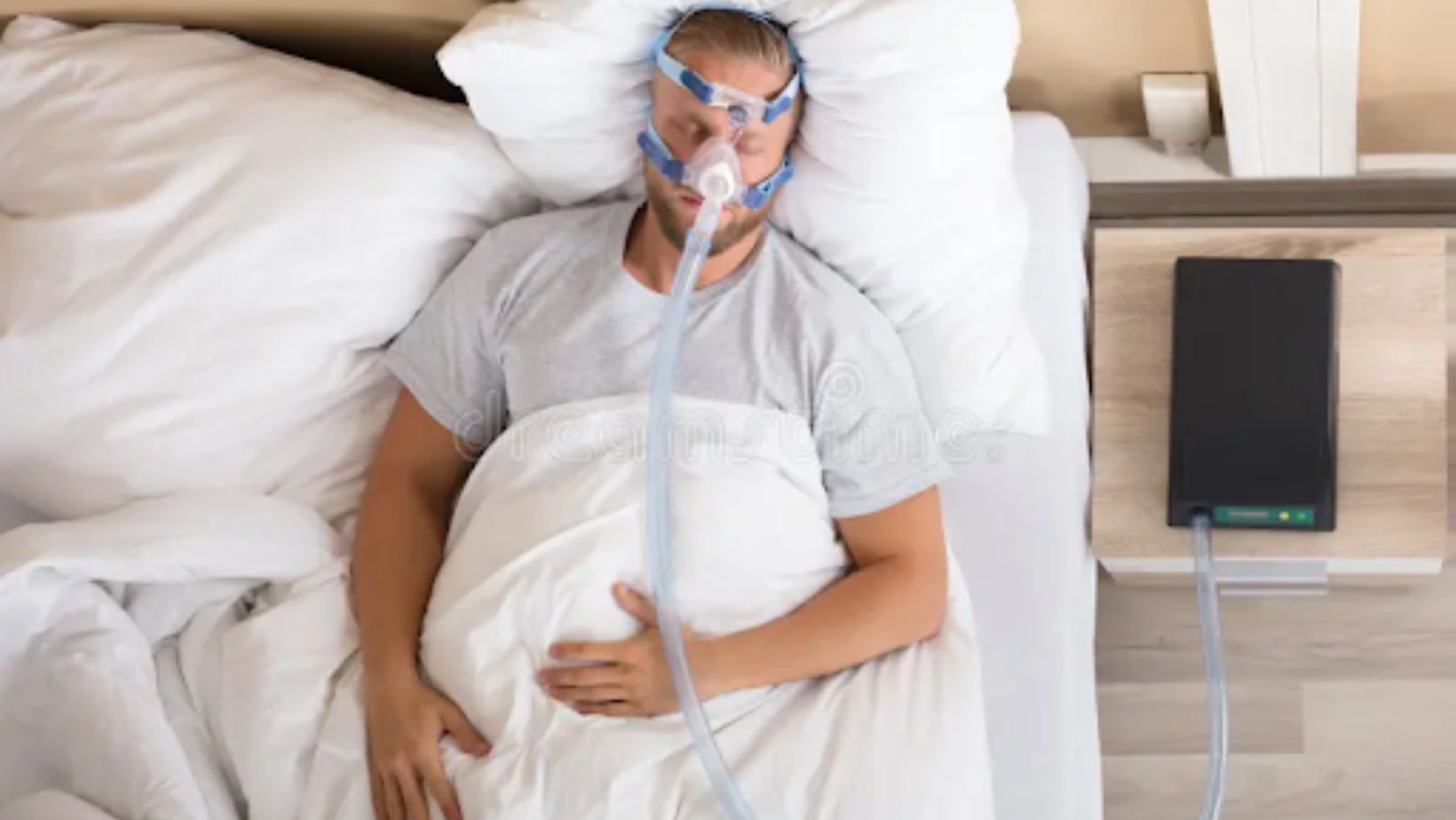
CPAP is considered the standard for treating obstructive sleep apnea (OSA). This machine consists of a mask that delivers a continuous air stream to keep the airway open during sleep.
CPAP is effective in reducing apneas and improving sleep quality. It is also non-invasive and easy to use once adapted. However, some users may find the mask uncomfortable or experience difficulty adjusting to the airflow.
Tips for Adapting:
- Start by using the device for short periods while awake.
- Ensure a proper mask fit, and consider trying different styles for comfort.
2. Mandibular Advancement Device (MAD)
MADs are custom-made oral appliances designed to reposition the jaw forward and keep the airway open during sleep. It is suitable for individuals with mild to severe cases of sleep apnea.
3. Tongue Retaining Mouthpiece
This device holds the tongue forward to avoid blockage of the airway during sleep. It can be effective for those who struggle with CPAP or MADs, but some users may experience discomfort or difficulty adjusting to the device.
4. Bilevel Positive Airway Pressure (BiPAP)
BiPAP machines provide two levels of pressure: higher for inhalation and lower for exhalation. This can make breathing easier for some individuals compared to CPAP.
5. Adaptive Servo-Ventilation (ASV)
ASV is primarily used for central sleep apnea and delivers variable air pressure based on detected breathing patterns. It adjusts in real time, providing tailored support during sleep.
6. Surgical Treatments
Surgical treatments are typically considered only when other treatments fail or in severe cases of sleep apnea. Common surgical options include:
- Uvulopalatopharyngoplasty (UPPP): This treatment removes excess tissue from the throat to widen the airway.
- Nerve Stimulation: It involves a device that is implanted and stimulates nerves, controls throat muscles, and helps keep the airway open.
- Maxillomandibular Advancement: Moves the jaw forward to enlarge the airway space.
- Tracheostomy: A more invasive option where an opening in the neck is created to allow direct airflow into the windpipe, usually reserved for life-threatening situations
Tips for Long-Term Sleep Health
Maintaining long-term sleep health is essential for overall well-being. Here are some effective strategies to help you achieve better sleep quality over time.
- Stick to Your Treatment Plan
If you have been diagnosed with sleep apnea or another sleep disorder, adhering to your prescribed treatment plan is crucial. This may include using devices like CPAP or MADs, taking medications, or following specific lifestyle changes. Consistency in your treatment can lead to significant improvements in your sleep quality and help manage symptoms effectively.
- Create a Sleep-Friendly Environment
Your bedroom environment helps in promoting restful sleep. Consider the following tips:
- Use blackout curtains to block outside light.
- Use earplugs or white noise machines if necessary.
- Aim for a cool, comfortable room temperature, ideally between 65°F and 68°F.
- A comfortable mattress and pillows can help enhance your sleep experience.
- Exercise Regularly
Aim for at least 20-30 minutes of exercise most days of the week. However, try to avoid vigorous workouts close to bedtime, as they may hinder your ability to fall asleep.
- Stay Hydrated
Aim to drink enough water throughout the day and limit large amounts of liquid in the evening. However, be mindful of your fluid intake before sleep to avoid frequent trips to the bathroom during the night.
- Monitor Your Progress
Keeping track of your sleep patterns can help you identify trends and discuss any concerns with your healthcare provider.
Consider maintaining a sleep diary where you record the following:
- Bedtime and wake-up time
- Quality of sleep (e.g., how rested you feel)
- Any disturbances during the night
Conclusion
Addressing sleep apnea is a step towards better sleep quality. By understanding the treatment options, you can take a step in managing this condition effectively. 
Quality sleep is not only a luxury; it is essential for a healthier and happier life. By prioritising your sleep health and seeking appropriate treatment, you can experience improvements in your daily functioning and emotional well-being.
Don’t hesitate to reach out to a professional to explore the options tailored to your needs. Taking action today can pave the way for restful nights and vibrant days ahead.
About the Author