
Melanoma is the most serious and deadly type of skin cancer. But what exactly is melanoma? And how is it different from other skin cancers?
Melanomas start in the melanocyte cells of our skin, which produce the brown pigment called melanin. These cells can mutate and grow out of control, forming malignant cancerous masses. Melanomas usually develop on parts of the body overexposed to the sun like the trunk, legs, arms, and face which get heavy sun exposure over time. But they can occur anywhere on the body.
Causes of Melanomas
Several factors and exposures are known to trigger the development of dangerous melanomas:
- Ultraviolet (UV) Radiation: Getting too much ultraviolet radiation from sunlight or tanning beds often sparks genetic damage in skin cells, jumpstarting melanoma formation.
- Genetic Predisposition: Inherited gene mutations passed through families can make some people’s skin more vulnerable to becoming cancerous later in life after sun exposure.
- Fair Skin and Light Eyes: Those with less skin pigment have less innate protection against UV radiation damaging cell DNA. Red or blonde hair and blue/green eyes are also risk markers.
- Moles: Preexisting moles on the skin, especially irregularly shaped or larger ones, can slowly transform into melanomas over decades.
- Weakened Immune System: Those undergoing organ transplants or chemotherapy have fewer defenses stopping abnormal moles from suddenly changing into melanoma cells.
Symptoms of Melanomas
Be on guard for any new or evolving skin spots showing the following trait changes:
- Asymmetry: Benign moles are round while melanoma mole shapes differ on each half.
- Border Irregularity: Jagged, uneven edges are warning signs for this cancer type.
- Color Variation: Multi-toned spots containing black, brown, red, blue, white, and light gray shades signal danger.
- Diameter: Moles larger than 1/4 inch across warrant medical evaluation, especially on the torso and neck.
- Evolving: Fast-changing moles that are different month-to-month demand urgent biopsy testing.
Risk Factors for Melanomas
You may be prone to developing melanomas if several of these common risk factors apply to your situation:
- Sun Exposure: Getting 5 or more blistering sunburns before age 20 is linked to future melanoma chances. Lifetime UV exposure must be managed.
- Tanning Bed Use: Frequent artificial tanning bed light exposure dramatically raises melanoma risks, especially for younger users.
- Sunburns: Childhood sunburn history and cumulative burns over decades multiply the odds of melanomas later forming.
- Family History: Those with close blood relatives diagnosed with melanoma have a higher genetic predisposition for this cancer type themselves.

- Many Moles: Having more than 50 ordinary moles puts you in higher risk brackets for some becoming cancerous down the road.
- Fair Skin and Light Eyes: Pale freckled skin paired with red/blonde hair and blue/green eyes carries higher vulnerability to sun damage triggering melanoma formation.
- Weakened Immune System: Organ transplant anti-rejection medicines or HIV drug regimes hamper the body’s defense barriers to abnormal moles mutating over time.
- Personal History of Skin Cancer: Even one prior case of less lethal skin cancer forms like basal cell carcinoma means you already have significant sun damage, raising future melanoma risks.
Diagnosing Melanomas
Doctors follow this process to conclusively diagnose suspected melanomas:
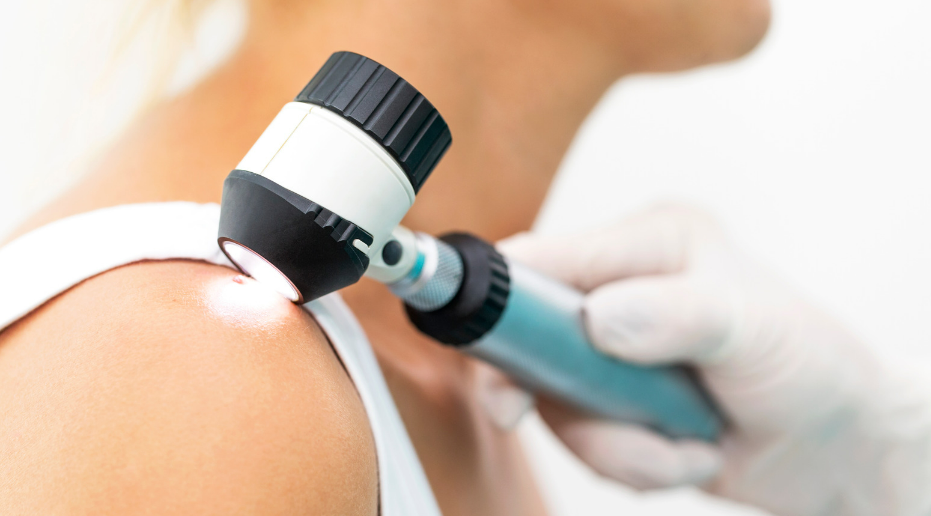
- Physical Examination: Using a dermatoscope device to magnify skin spots needing evaluation, checking traits like color, borders, and diameter for irregularities. Comparison photographs may document changes.
- Dermoscopy: The physician scans the worrisome mole with a special microscope peering just under the skin surface for attributes aligning with melanoma warning signs like bleeding vessels.
- Biopsy: If concerning visual evidence exists, the doctor surgically extracts a small skin sample and ships it to a pathology lab for microscopic makeup analysis and confirmation if cancer cells are actively present.
Types of Melanoma Biopsies
Various minimally invasive biopsy methods check suspect skin areas:
- Shave Biopsy: Using a blade, the upper mole layers are neatly “shaved off” and sent to the lab.
- Punch Biopsy: A round cutting tool removes a small cylinder core sample from the entirety of the weird mole needing further examination.
- Excisional Biopsy: Surgeons use a scalpel to cut out the entire growth and some clear margins around it which then gets tested. This checks both the skin and the below layers.
The biopsy results will confirm the diagnosis of melanoma and determine its stage and type, which is crucial for planning the appropriate treatment.
Stages of Melanoma
Cancer staging communicates severity based on how far it has infiltrated into body tissues. Melanomas have five common stages:
- Stage 0: Abnormal cells reside only along the top skin layer and have not advanced deeper. This is dubbed “in situ” melanoma.
- Stage I: Cancerous cells penetrate the first skin layer but have not reached the second layer yet. Tumor thickness defines Stage 1 subcategories.
- Stage II: The melanoma tumor invades deeper into the second skin layer rich with blood vessels and lymph nodes which could enable wider spread soon.

- Stage III: The cancer reaches nearby lymph nodes but has not yet traveled to distant body organs like the lungs or brain. Prognoses worsen.
- Stage IV: When life-threatening metastatic melanoma is confirmed with malignant tumors present in remote body areas far from the original skin site. Harder to treat.
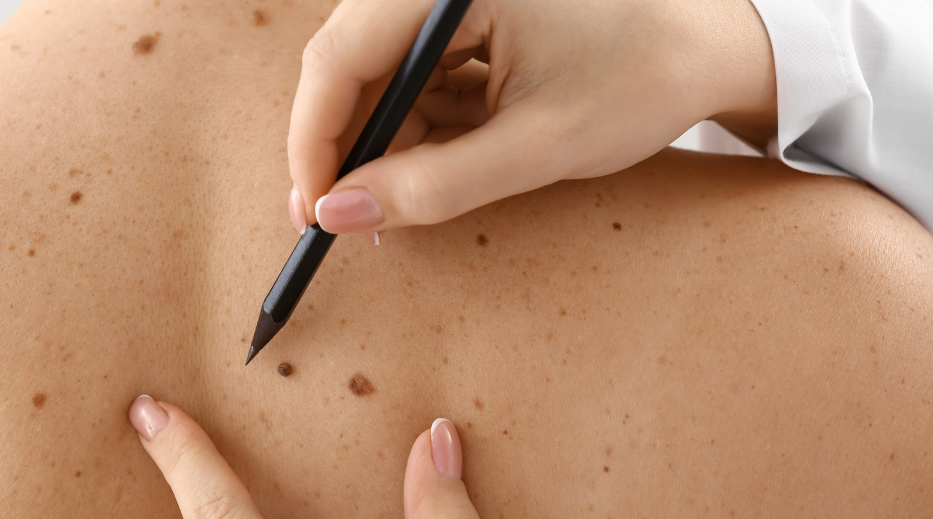
Catching earlier stage 0, I, or II melanoma is crucial—treatment odds decline later as cells infiltrate greater skin depths and travel internally by stage III or IV.
Types of Melanomas
Doctors characterize melanomas into subtypes based on where they first formed:
- Superficial Spreading Melanoma: Starting in the upper skin layers before penetrating downwards. Most common overall.
- Nodular Melanoma: Forms as raised bumps rapidly boring through the skin. Very aggressive.
- Lentigo Maligna Melanoma: Begins as flat discolored patches on chronically sun-exposed facial areas like cheeks and nose. Slow growing at first.
- Acral Lentiginous Melanoma: Occurs on non-sun exposed regions like palms, nails, soles of feet, and under nails. Tends to afflict those with darker complexions more.
Treatment Options for Melanomas
Medical teams tailor combination approaches on how to treat melanomas based on the type and disease stage once biopsy results are out:
- Surgery: Operations remove tumors and surrounding margins trying to extract all cancerous cells. Lymph nodes may be sampled to check the degree of internal spread.
- Immunotherapy: Powerful IV drugs boost the body’s immune defenses to attack lingering melanoma cells post-surgery.
- Targeted Therapy: Oral or topical medications turn off specific cancer cell signaling pathways causing tumors to shrink.
- Radiation Therapy: High-energy X-ray beams destroy leftover malignant tumor tissue externally or internally to lower recurrence odds.
- Chemotherapy: Cytotoxic IV chemotherapy medications aimed at killing rapidly dividing cancer cells are used when melanoma later metastasizes more extensively through lymph or blood channels.
Conclusion
Melanoma can be beaten if identified and treated early before spreading extensively. Pay attention to skin changes and call your doctor if anything seems suspicious or evolves rapidly so they can properly evaluate risks. Consistent sun safety helps thwart this dangerous disease. If diagnosed with melanoma, an experienced cancer care team will map out a comprehensive treatment plan and journey with you each step of the way toward recovery.
About the Author