Addiction doesn’t discriminate; it affects countless lives, casting a long, haunting shadow over individuals and society. It’s an overwhelming presence, highlighting the need to address relapse and renewal as integral components of the addiction cycle.
Whether directly affected by addiction, supporting a loved one, or a professional in the field, you’ll gain insight and understanding of this intricate and, at times, confounding path.
The Cycle of Addiction
Binging And Intoxication
During the initial stages of addiction, you may find yourself in a pattern of excessive, uncontrolled substance use called binging. The intoxication that follows can create a deceptive sense of pleasure.
This deceptive allure often masks the impending adverse effects and the danger lurking ahead. Overcoming addiction begins by recognizing and confronting this insidious progression, initiating a flexible, individualized response to address the challenges ahead.
Negative Effects Following Withdrawal
When the fleeting euphoria dissipates, you experience withdrawal. It’s a phase marked by a stark contrast, where discomfort, anxiety, and physical symptoms replace the temporary bliss. These can range from mild uneasiness to severe, debilitating conditions, highlighting the urgent need for intervention and support to counter this impending crisis.
Cravings
Cravings, unexpected and overpowering, can strike with formidable force. It’s a physical and psychological yearning, marked by an intense desire to revert to substance use to alleviate the unsettling symptoms of withdrawal. In this phase, the grip of the substance is starkly evident, exerting a pull that goes beyond conscious control, illustrating the sinister power of addiction.
Stages Of Relapse
Mental Relapse
In the mental relapse stage, you find yourself managing internal conflicts, balancing the urge to use and the aspiration for sobriety. This struggle can be exhausting. Your conflicting thoughts clamor for dominance, and even as part of you pushes towards sobriety, another part is drawn towards the addictive behavior.
Emotional Relapse
The emotional relapse stage isn’t characterized by active thoughts of using. It’s instead a prelude, marked by negative emotions, stress, and unhealthy behaviors. Ignored or unaddressed, these can act as precursors to a more pronounced and dangerous relapse.
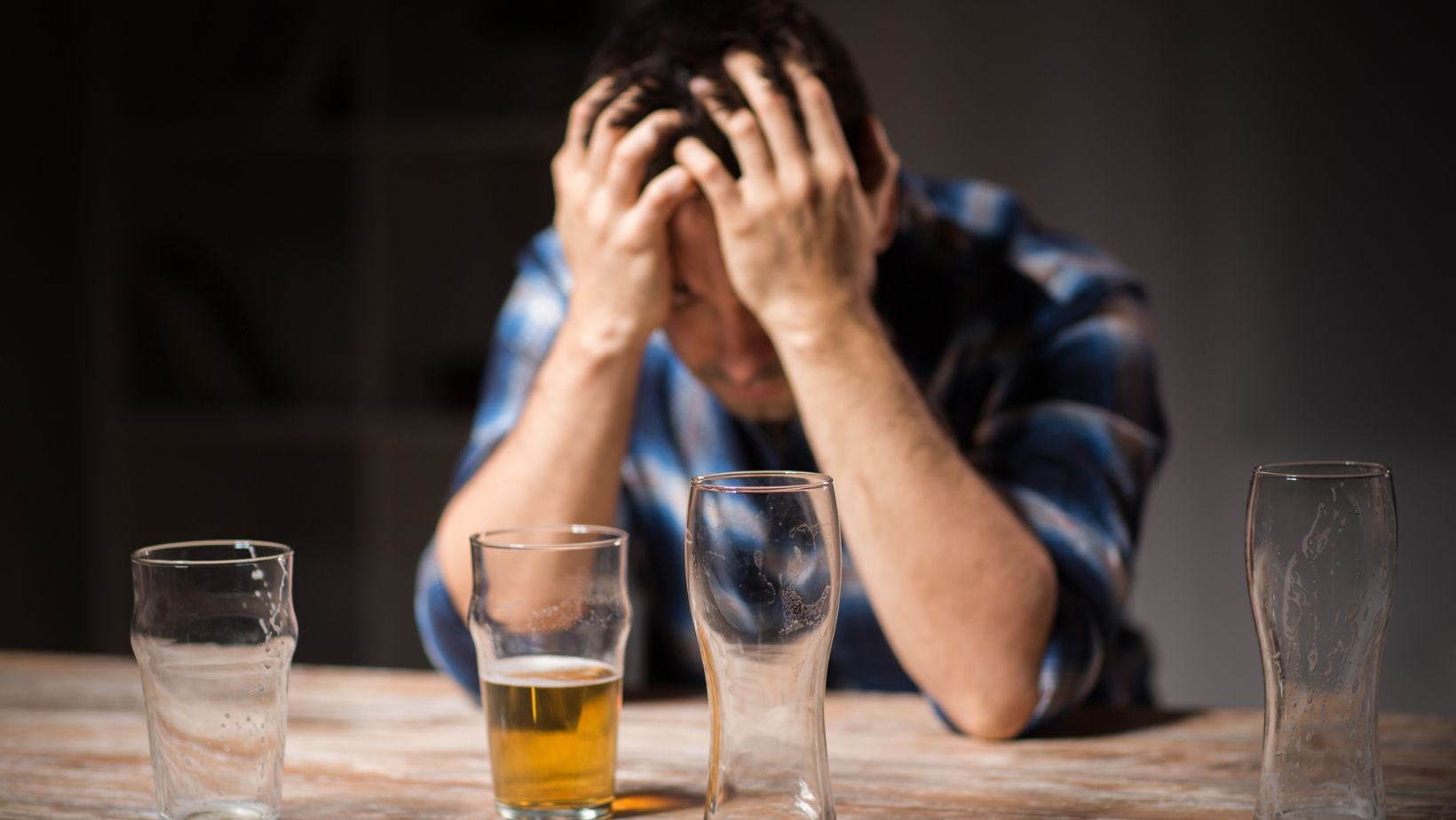
Awareness and intervention at this stage can be instrumental in averting the subsequent, more overt stages of relapse.
Physical Relapse
The physical relapse stage sees the re-emergence of addictive behaviors. It’s where the internal conflicts and emotional tumult manifest into action, leading to the actual act of substance use. Swift, decisive intervention is necessary here, as this stage is a crucial turning point where the cycle of addiction can be reinforced or interrupted.
Factors Contributing To Relapse
Trigger Exposure
Triggers are often subtle yet significant. Exposure to places, people, or things associated with past substance use can instantaneously ignite intense cravings. Knowledge and avoidance of these triggers, coupled with coping strategies when exposure is unavoidable, becomes a vital element of sustained recovery.
Stress
Life’s challenges and stress are inescapable, yet for someone grappling with addiction, they magnify the risk of relapse. Stress, whether from professional pressures, personal challenges, or unexpected life events, can prompt a return to substance use as a coping mechanism. Developing stress management skills is not optional but essential in the quest for sustained sobriety.
Interpersonal Issues
Relationships can be both a source of support and stress. Interpersonal issues, conflicts, and the ensuing emotional turbulence can sometimes act as catalysts, prompting a return to addictive behaviors. Addressing and resolving these issues while cultivating healthy relationships is integral to building support against relapse.
Lack Of Social Support
Without a solid support network, the path to recovery can be isolating and treacherous. Social support acts as a buffer, offering encouragement, understanding, and resources to counter the challenges of addiction. Strengthening your support network is foundational to fortifying your defenses against relapse.
Peer Pressure
The company you keep significantly influences your recovery. Peer pressure, especially from individuals engaging in substance use, can be a powerful force driving relapse. Cultivating connections with those supporting your sobriety and distancing yourself from influences undermining it is a strategic and necessary step.
Low Self-Esteem
Addressing low self-esteem is vital to the recovery process, promoting self-compassion and resilience. It can foster feelings of worthlessness and despair, driving individuals back to the illusory comfort of substance use. Building self-esteem and self-worth is critical to recovery, paving the way for sustained sobriety.
A Positive Mood
Ironically, positive emotions could also trigger a relapse. Achievements and good moods might lead to the “celebratory” use of substances, undoing the strides made in recovery. Recognizing and mitigating this risk is essential, stressing the need for vigilance even in moments of joy and triumph.
Breaking The Cycle: Strategies For Renewal
Early recognition of relapse indicators isn’t just a proactive step but a lifeline. Equipped with awareness, you’re empowered to face and manage the challenges of cravings and triggers. Cognitive-behavioral therapy is an anchor, keeping you steady. Contingency management, too, illuminates the path of recovery.
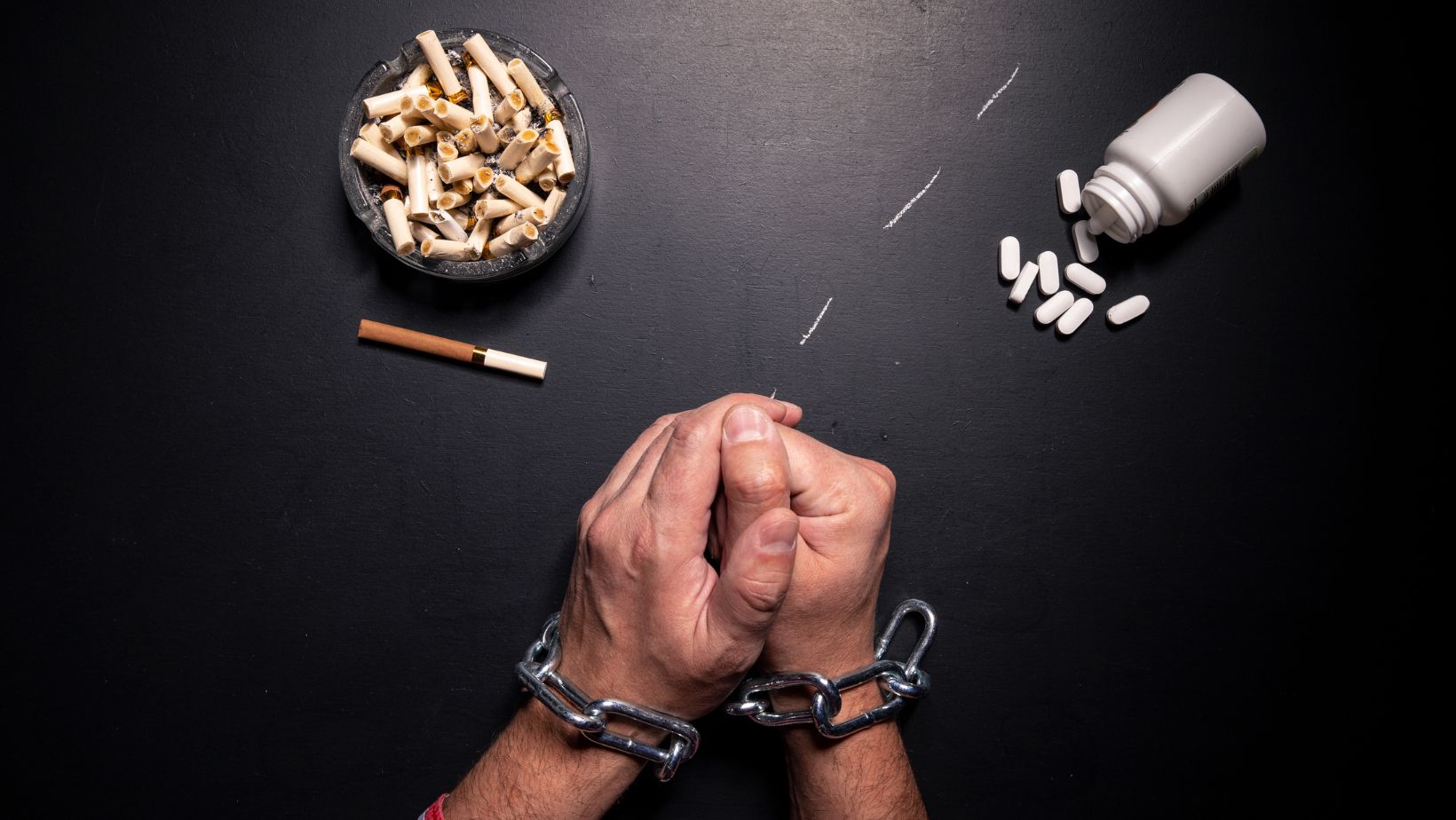
Peer groups, family intervention, and self-help programs are your safe harbors. In the isolation that addiction can often bring, these support systems stand as pillars of empathy, understanding, and encouragement.
Stages of Addiction Recovery
Abstinence Stage
The abstinence stage is where you confront addiction head-on. It’s marked by physical withdrawal and the formidable challenge of post-acute withdrawal syndrome (PAWS). Symptoms like mood fluctuations, sleep disturbances, and cognitive impairments characterize PAWS, representing a significant obstacle and an entry point to healing.
Repair Stage
As you transition into the repair stage, your focus shifts to mending the damage inflicted by addiction. It’s about physical healing, re-establishing broken relationships, and rebuilding self-esteem. This stage is about restoration – of health, connections, and self-worth.
Growth Stage
In the growth stage, the foundations of long-term recovery solidify. It’s characterized by enhanced resilience, where the skills and strengths honed during the previous stages coalesce, fostering a robust defense against relapse. It’s not just about avoiding substances but about nurturing a life that’s enriched, fulfilling, and resilient against the pulls of addiction.
Promoting Long-Term Recovery
Recovery is more than attaining sobriety; it’s a continuous process of care and mindfulness to uphold long-term well-being. Aftercare programs aren’t optional; they guard against a potential relapse. Addressing underlying issues and adopting lifestyle changes is a commitment, marking a path of sustained recovery despite recurring temptations.
Conclusion
The cycle of addiction, which includes relapse and renewal, poses significant challenges yet opportunities for profound transformation. You’re not destined to be trapped in this cycle. Tools, support, and strategies abound to break free and forge a path to sustained recovery.
You have the innate capacity to rise from addiction resilient and equipped to face a future where renewed hope, strength, and well-being dispels the shadows of substance dependence. Every setback is an opportunity for a comeback, and every challenge is a step closer to renewal and recovery.
About the Author