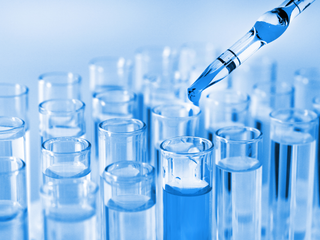
In the not-so-distant past, environmental regulations were sparse, often allowing industries to dispose of chemicals and waste with little regard for the long-term impact on our planet and its inhabitants. This leniency resulted in numerous environmental disasters and health crises, leaving communities to pay a heavy price for the negligence. From the smog-choked cities of the industrial boom to contaminated waterways and toxic landfills, the evidence of these practices still scars our landscape and, in some cases, our genetics. Thankfully, a global awakening to the importance of environmental stewardship has spurred stricter regulations and a collective effort to “clean up our act.”
Still, ongoing vigilance is incredibly important for protecting the future of our communities. Environmental testing, in its many forms, stands as a fundamental tool in this endeavor. It allows us to monitor the health of our environment, from the air we breathe to the water we drink and the soil that nourishes our food. Through various types of environmental testing, we can detect pollutants and contaminants before they pose serious health risks, ensuring the well-being of current and future generations.
Water Quality Testing
Water is the source of life, but it is also a conduit for pollutants. Water quality testing involves analyzing water samples from rivers, lakes, oceans, and water supply systems to detect contaminants such as chemicals, heavy metals, bacteria, and other pathogens. This testing ensures that water is safe for consumption and recreational activities and supports healthy aquatic ecosystems.
Why Water Quality Testing is Essential
Human Health: Ensuring that water is free from contaminants is crucial for preventing waterborne diseases and safeguarding public health. Access to clean drinking water is a fundamental human need, and water quality testing is key in fulfilling this requirement.
Environmental Health: Aquatic ecosystems are incredibly sensitive to changes in water quality. Pollutants can disrupt the balance of these ecosystems, leading to the decline of fish populations, the death of aquatic plants, and the disruption of entire food chains.
Recreational Safety: Lakes, rivers, and oceans are popular sites for recreational activities. Regular water quality testing ensures these waters are safe for swimming, fishing, and other recreational uses, preventing skin irritations, gastrointestinal illnesses, and more serious health issues.
Regulatory Compliance: For municipalities and industries, water quality testing is not just about safeguarding health and the environment; it’s also a legal requirement. Meeting the standards set by environmental protection agencies ensures compliance and helps avoid potential fines and legal action.
Future Sustainability: By monitoring water quality over time, we can identify trends, address emerging contaminants, and develop strategies to mitigate pollution sources. This ongoing vigilance supports the sustainable management of water resources, ensuring they remain viable for future generations.
In essence, water quality testing is a fundamental tool in our collective effort to protect and preserve the most indispensable resource on our planet. It empowers communities, governments, and industries to take informed actions, ensuring that water continues to nurture life in all its diversity.
Air Quality Testing
Air quality testing involves the systematic measurement of pollutants that compromise the composition of the atmosphere, directly impacting both ecological balance and human health. Among these pollutants are particulate matter (PM), volatile organic compounds (VOCs), carbon monoxide (CO), sulfur dioxide (SO2), and nitrogen oxides (NOx). Each of these compounds poses distinct threats, from exacerbating respiratory conditions such as asthma to influencing climate change.
Why Air Quality Testing Matters
Health and Well-being: The correlation between air quality and health outcomes is well-documented. Pollutants like fine particulate matter (PM2.5) and NOx can penetrate deep into the lungs and even enter the bloodstream, leading to cardiovascular, cerebrovascular, and respiratory diseases. By monitoring air quality, communities can be alerted to harmful levels of pollution, enabling individuals to take preventive measures, especially those with pre-existing health conditions.
Environmental Impact: Air pollution does not stop at health effects; it also has a profound impact on ecosystems. Acid rain, caused by elevated levels of SO2 and NOx, can damage forests, harm aquatic life, and degrade soil quality. Testing and regulating air quality help mitigate these adverse environmental effects and preserve biodiversity and ecosystem functionality.
Regulatory Compliance and Policy Making: Air quality testing provides the data necessary for governments and regulatory bodies to enforce environmental standards and develop policies aimed at reducing pollution.

By identifying the mold remediation and investigations of pollution sources and trends, policymakers can tailor interventions, set achievable targets for air quality improvements, and track progress over time.
Public Awareness and Behavior Change: Regularly published air quality indices (AQI) inform the public about the current state of the air they breathe, raising awareness about pollution sources and health implications. This information can drive community engagement in environmental protection efforts and encourage behaviors that reduce personal and collective pollution footprints, such as using public transportation and supporting clean energy initiatives.
Soil Quality Testing
Soil testing is another type of environmental test that can have far-reaching implications. For agriculture, they direct the balanced application of fertilizers, enhancing crop yield while minimizing environmental impact. In environmental management, soil testing is a critical step in the identification and remediation of contaminated lands, helping to restore ecosystems and reduce exposure to harmful pollutants. For construction and urban planning, soil tests provide the foundation for safe and sustainable development.
The Importance of Soil Testing
Agricultural Productivity: For farmers and gardeners, soil testing is an indispensable tool in achieving optimal plant growth and crop production. By assessing nutrient levels—including nitrogen (N), phosphorus (P), potassium (K), and other essential minerals—soil tests can inform the precise fertilization needed to enhance soil fertility without the risk of overapplication, which can lead to runoff and pollution.
Environmental Health: Beyond its agricultural implications, soil testing plays a pivotal role in environmental conservation. Testing for contaminants such as heavy metals, pesticides, and industrial chemicals is crucial in identifying polluted sites. These insights enable targeted soil remediation efforts, preventing harmful substances from leaching into waterways or being absorbed by plants, thereby protecting ecosystems and human health alike.
Construction and Land Use: Soil testing informs safe construction practices by evaluating soil stability, composition, and bearing capacity. This information is critical in preventing structural failures and ensuring that land use aligns with soil characteristics, thereby safeguarding infrastructure and investments.

Soil Remediation and Recovery: In cases where contamination is detected, soil testing guides the remediation process, identifying the most effective methods for treating polluted sites. Whether through bioremediation, phytoremediation, or physical removal, understanding the specific contaminants and soil conditions is key to restoring soil health.
About the Author