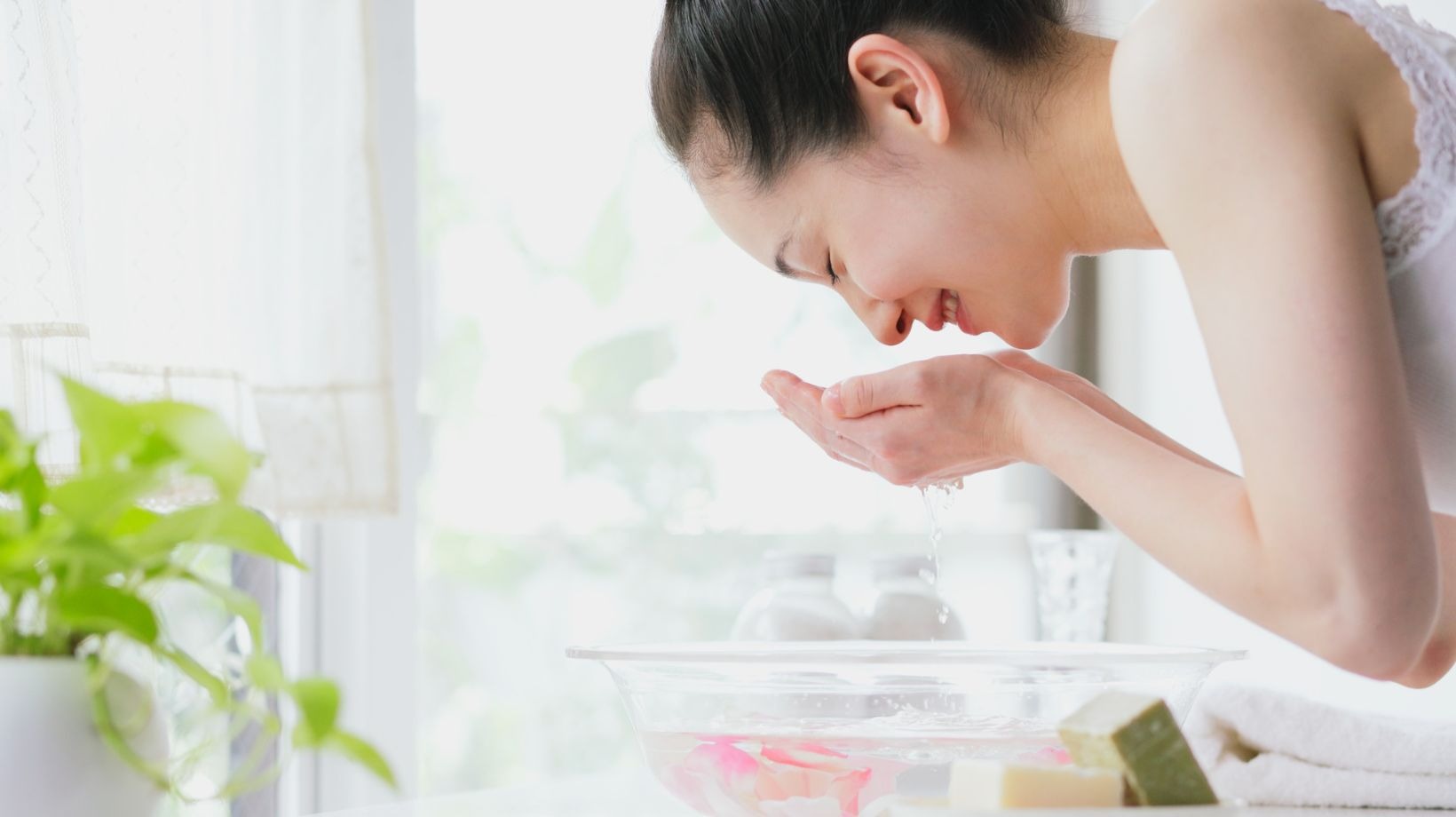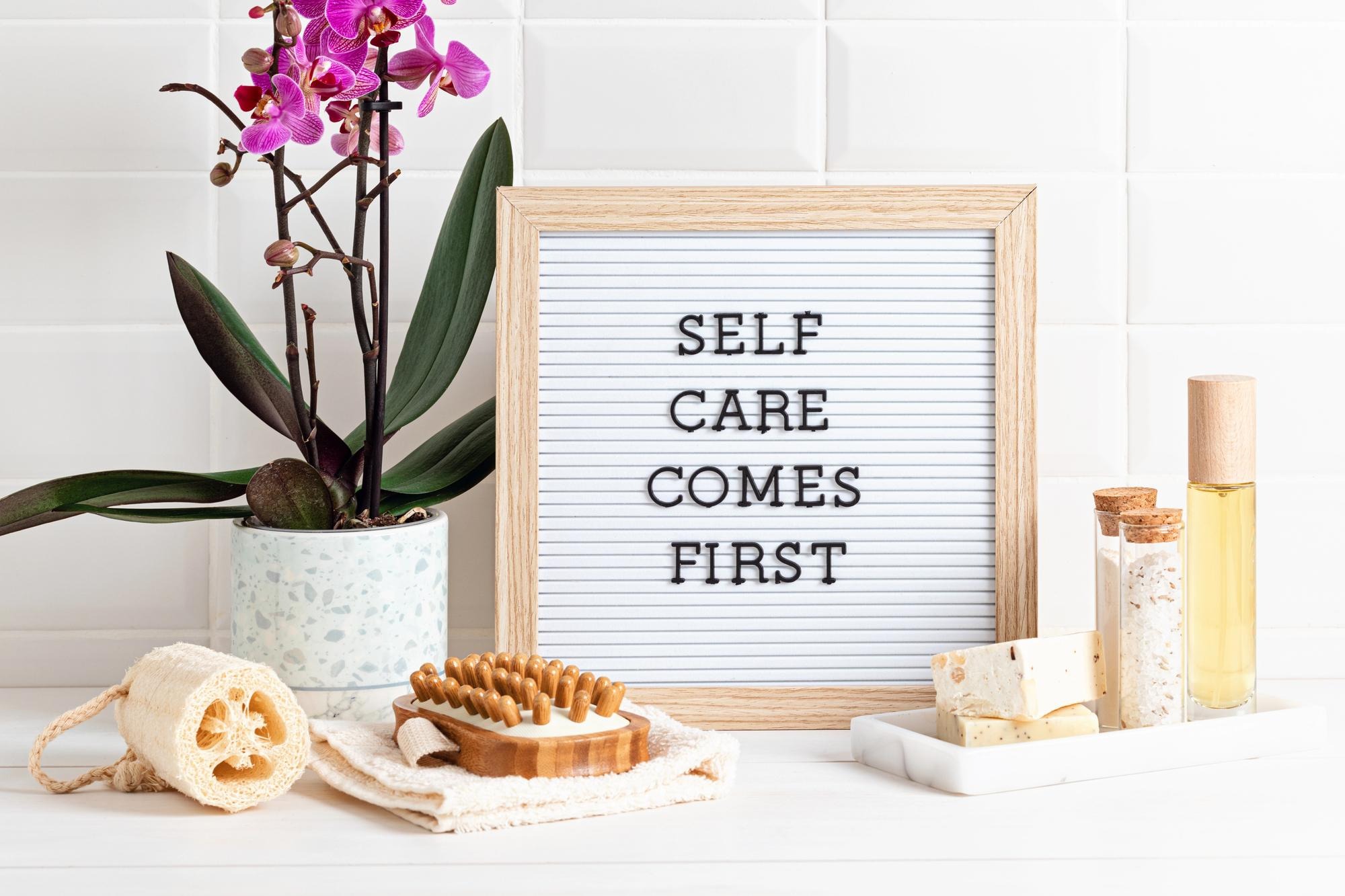
Self-care has evolved from bubble baths and face masks into something far more substantial. What was once dismissed as indulgent or selfish has become the ultimate status symbol, replacing designer handbags and expensive cars as the marker of a life well-lived. People are investing in their health, mental wellness, and personal growth with the same intention they once reserved for material possessions.
The Shift From Owning to Being
The definition of luxury has changed completely. Where previous generations measured success through accumulated possessions, today’s lifestyle priorities center on experiences, wellness, and personal development. A premium gym membership or a regular therapy appointment now holds more cultural currency than a new watch or the latest smartphone.
This shift shows what actually improves quality of life. Material goods provide temporary satisfaction, but investing in your physical and mental health creates lasting benefits that compound over time. We’re realizing that you can’t enjoy wealth or success if you’re burned out, unhealthy, or disconnected from yourself.
The pandemic sped this up. When lockdowns forced everyone to slow down and reassess their priorities, many discovered they’d been neglecting the most important investment of all: themselves. The result is a cultural movement that treats personal wellness as essential rather than optional.
What Modern Self-Care Actually Looks Like
Contemporary self-care goes well beyond the stereotypical spa day. It encompasses a holistic approach to physical health, mental wellness, emotional balance, and personal growth. This means different things to different people, but certain trends have emerged as cornerstones of the movement.
Physical wellness has become increasingly sophisticated. People are exploring options like IV therapy and other wellness treatments that deliver nutrients directly to their bodies. These interventions reflect a proactive approach to health rather than waiting until problems develop.
Mental health care has finally shed its stigma. Therapy’s now discussed openly, even casually, in social settings where it once would’ve been considered taboo. In a 2023 survey, nearly 40% of adults under 35 reported attending therapy regularly, compared to just 15% a decade earlier. People proudly share their therapeutic breakthroughs the way they might have once bragged about vacation destinations. This normalization has created space for millions to address issues they previously suffered through in silence.
Sleep optimization has become its own industry. People invest in blackout curtains, white noise machines, weighted blankets, and sleep tracking devices. The recognition that quality sleep affects everything from mood to metabolism to longevity has elevated it from afterthought to priority.
The Economics of Wellness
The wellness industry has exploded into an estimated multi-trillion-dollar market, and that growth shows no signs of slowing. People allocate significant portions of their budgets to wellness products and services, treating these expenses as essential rather than discretionary.
This spending reflects changed values. A person might skip buying new clothes to afford a massage therapist or nutritionist. They’ll pack lunch all week to save for their meditation retreat. These trade-offs demonstrate that wellness has moved from the “nice to have” category into the “must have” column.
The democratization of wellness has made self-care accessible at various price points. While luxury options exist, effective self-care doesn’t require wealth. Free meditation apps, YouTube yoga classes, nature walks, and library books on personal development provide genuine benefits without financial barriers. The key is intention and consistency rather than expense.
The Role of Natural Remedies and Alternative Therapies
People are increasingly turning to natural solutions for stress, sleep issues, and overall wellness. Many people now use CBD gummies for anxiety and sleep problems as they seek alternatives to pharmaceutical interventions. This trend reflects a broader desire to work with the body’s natural systems rather than against them.
Alternative therapies that were once considered fringe have entered the mainstream. Acupuncture, massage therapy, aromatherapy, and herbal supplements are now commonly integrated into comprehensive wellness routines.
Many people combine conventional and alternative approaches, creating personalized health strategies that address their unique needs. This openness to different modalities represents a maturation in how we think about health. Rather than seeking a single solution, people recognize that wellness is multifaceted and requires a toolkit of strategies. What works for one person might not work for another, and that’s perfectly acceptable.
Boundaries as the Ultimate Luxury
Perhaps the most significant aspect of the self-care movement is the recognition that protecting your time and energy is crucial. Setting boundaries at work, in relationships, and with technology has become a sophisticated life skill rather than a character flaw.
Saying no without guilt or extensive justification is a marker of someone who understands their worth and priorities. This might mean leaving work at a reasonable hour, declining social invitations when you need rest, or taking a digital detox weekend. The always-available culture that technology created is finally facing pushback, as people turn off notifications, establish phone-free zones in their homes, and resist the pressure to respond instantly to every message.
The Ripple Effects of Personal Investment
When you prioritize taking care of yourself, the benefits extend beyond your individual experience. Better-rested, healthier, more balanced people show up differently in their relationships, work, and communities. They’ve got more patience, creativity, and generosity to offer.
A manager who takes mental health days signals to their team that burnout isn’t a badge of honor. Parents who model self-care teach their children that personal wellness matters. Employees who set boundaries create space for colleagues to do the same. Friends who prioritize mental health normalize seeking help and processing emotions constructively. These ripple effects create cultural change that makes wellness more accessible for everyone.
Companies are beginning to recognize this reality too. Progressive employers offer wellness benefits, mental health days, and flexible schedules because they understand that burned-out employees aren’t productive or innovative. The old model of grinding until you break is being replaced by a sustainable approach that honors human limitations.
Making Self-Care Sustainable
The key to lasting self-care practices is integration rather than addition. Instead of trying to add seventeen new habits to an already packed schedule, focus on small, sustainable changes that align with your actual life. Morning stretches while your coffee brews, walking meetings instead of sitting in conference rooms, or therapy appointments scheduled as recurring calendar events.
Self-care shouldn’t feel like another obligation on an endless to-do list. It’s about creating a life that doesn’t require constant recovery from stress and depletion. This might mean making difficult choices about your job, relationships, or commitments, but those decisions become easier when you’re clear about your priorities.
Taking care of yourself isn’t selfish or indulgent. It’s the foundation that makes everything else possible. When you treat your wellbeing as the valuable asset it truly is, you’re not just following a trend. You’re making an investment that’ll pay dividends for the rest of your life. And as more people embrace this shift, we might just be witnessing the beginning of a healthier, more balanced culture, one where taking care of ourselves becomes as natural as any other daily priority.
About the Author