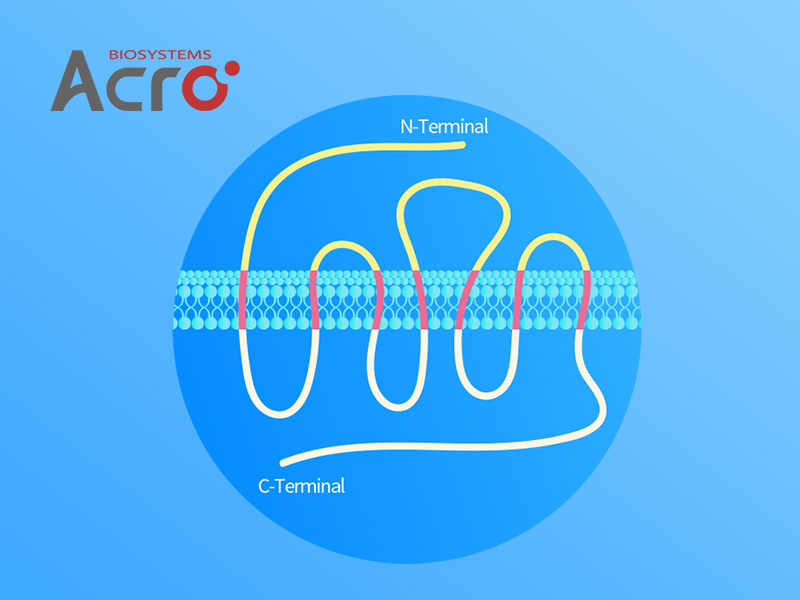
In the intricate world of cellular communication, G Protein-Coupled Receptors (GPCRs) play a pivotal role, acting as the gatekeepers for transmitting signals across cell membranes. Recent advancements in understanding GPCR protein acid sensing have opened new avenues in biomedical research, offering insights into their complex mechanisms and potential therapeutic applications.
This article delves into the latest breakthroughs in GPCR acid sensing, highlighting cutting-edge research on how these receptors detect and respond to acidic environments. By exploring these developments, readers will gain a deeper understanding of their implications for treating conditions like cancer, inflammation, and metabolic disorders. Exploring these receptors illuminates their biological significance and underscores their potential as targets for innovative drug development.
Overview of G Protein-Coupled Receptors (GPCRs)
GPCRs form an extensive protein family that transversal cellular membranes, facilitating communication between extracellular signals and intracellular responses. They play a fundamental role in physiological processes, impacting senses like vision and taste. Signal transduction involves binding ligands, activating the G protein, and triggering various cellular pathways. With the identification of over 800 human G-protein-coupled receptors (GPCRs), researchers emphasize their vast potential as pharmacological targets in different therapeutic applications (Heng et al., 2018; Hauser et al., 2018; Zhang et al., 2020)
Understanding Acid Sensing Mechanisms
The Role of GPCRs in Acid Sensing
GPCRs play a crucial role in sensing acidic environments. As these receptors span cell membranes, they detect changes in extracellular pH levels. When exposed to acidic conditions, specific GPCRs activate signaling pathways that modulate intracellular responses. Known for their versatility, these receptors influence various body functions, including those related to neurological and cardiovascular systems. Researchers continue to investigate the precise mechanisms by which GPCRs detect low pH, thereby opening paths for understanding related health conditions.
Challenges in Biotech Product Development
Developing biotech products presents several obstacles. Addressing these challenges is crucial for advancing GPCR research and applications.
Regulatory Hurdles
Regulatory approval is a significant barrier. Agencies like the FDA demand rigorous testing to ensure safety and efficacy. The process, while crucial, can be long and resource-intensive. Documentation, trials, and compliance with regulatory standards require substantial effort. Many biotech firms need help with these requirements, delaying product entry into the market. Success depends on exploring these regulations efficiently while meeting all criteria.
Market Adoption Challenges
Getting biotech products to market involves persuading stakeholders of their value. Healthcare professionals might resist new therapies, favoring established treatments. Pricing pressures and reimbursement issues further complicate adoption.
Demonstrating clear benefits and addressing cost-effective measures become essential. Effective marketing strategies and clinical evidence can improve acceptance, but firms must remain agile in responding to skepticism and adapting to competitive landscapes.
Strategies for Successful Market Introduction
Bringing GPCR-related biotechnologies to market involves several strategic steps. Addressing both the technical and business requirements is crucial for achieving commercial success.
Research to Application: Bridging the Gap
Transitioning from research to practical application remains a key challenge in the biotech industry. Researchers focus on producing strong preclinical data to support effectiveness and form the foundation for clinical trials. Collaborations between academic institutions and biotech companies enhance this process by sharing resources and expertise. Besides, engaging with regulatory bodies early helps in understanding the requirements for approval. While working on a collaborative project years back, researchers noticed streamlined processes enabled faster data validation, paving the way for quicker application development.
Role of Specific Proteins and Antibodies
Specific proteins and antibodies play pivotal roles in the successful market introduction of GPCR innovations. GPCR proteins are essential for identifying targets for therapeutic interventions. Researchers develop custom antibodies to bind precisely with GPCR targets, facilitating higher specificity and effectiveness in treatment. Also, generating comprehensive data on protein-antibody interactions builds confidence among stakeholders. Companies often publish detailed studies demonstrating efficacy, supporting product credibility, and fostering market trust. Leveraging scientific advancements in protein engineering can expedite the development of GPCR-related therapies.
Case Studies and Real-world Applications
GPCRs have transformed the world of drug therapies, offering hope for conditions previously deemed challenging.
Successful Examples of GPCR-targeted Therapies
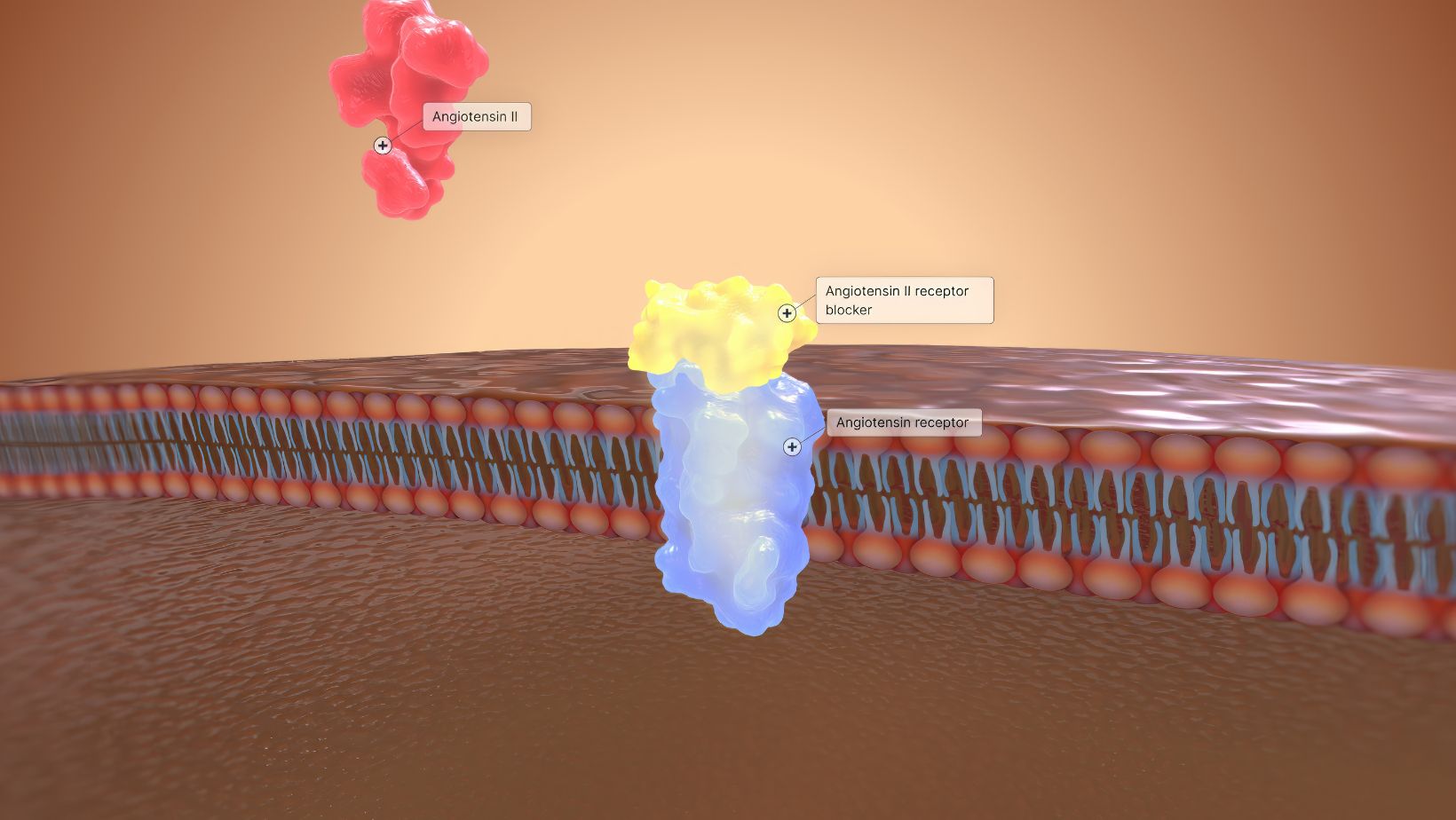
Several therapies targeting GPCR proteins demonstrate significant clinical success. An example is Losartan*, an angiotensin II receptor antagonist used for hypertension. Blocking a specific GPCR lowers blood pressure without causing the side effects typical in older drugs.
Varenicline operates by targeting nicotinic acetylcholine receptors (a subtype of GPCR) and assists in smoking cessation by reducing withdrawal symptoms.
These examples exhibit how precision targeting GPCRs can lead to effective and reliable therapies, solidifying their role as central players in modern pharmacology.
Future Directions and Innovations
Emerging Technologies in GPCR Research
Recent technological advances power GPCR research, particularly in acid sensing. High-throughput screening and cryo-electron microscopy give researchers an edge in understanding receptor structure and dynamics. Machine learning algorithms identify binding patterns and predict receptor behavior. Scientists map receptor interactions in studies like the Human GPCRome Project, enhancing drug discovery. Consider the development of biosensors that measure real-time GPCR activity; these tools revolutionize the ability to monitor cellular processes and improve therapeutic targeting.
Next Steps for Biotech Companies
Biotech companies focus on translating GPCR protein research into innovative treatments. Strengthened partnerships with academic institutions boost resource sharing and drive innovation.
Obtaining strong preclinical data supports regulatory approvals. Companies often participate in collaborative workshops to align research objectives with market demands. Attending these workshops provides valuable insights into regulatory landscapes and market trends. Also, real-world data analytics enhances decision-making processes, effectively positioning companies to address unmet medical needs.
Conclusion
Recent advancements in G-protein-coupled receptor (GPCR) acid sensing have illuminated critical mechanisms by which these receptors respond to acidic environments, opening new avenues for therapeutic applications in treating cancer, inflammation, and metabolic disorders (Heng et al., 2018; Hauser et al., 2018; Zhang et al., 2020). Through strategic partnerships between biotech companies and academic institutions, such as those enhancing data-sharing and innovative protein engineering, researchers are leveraging cutting-edge tools like cryo-electron microscopy and machine learning algorithms to push the boundaries of GPCR research. These collaborations are essential for overcoming regulatory hurdles and accelerating the practical application of GPCR-related biotechnologies, demonstrating the immense potential of targeted therapies in modern medicine.
About the Author