Losing a tooth affects more than your smile; it changes how your mouth works right away and can trigger gradual problems over months and years. For those considering dental implants in Lackawanna, NY, acting promptly is key — without replacing a missing tooth, you risk jawbone loss, shifting of neighboring teeth, bite misalignment, and functional issues like uneven chewing and harder-to-clean gaps.
You’ll also likely notice changes in your facial support and confidence as bone and soft tissue recede. This article will walk you through the practical consequences, how your appearance and bite can change, and the long-term oral health risks so you can decide which replacement option fits your situation.
Consequences of Not Replacing a Missing Tooth
Failing to replace a missing tooth can lead to measurable changes in bone, tooth position, bite mechanics, and how you chew. These changes often progress over months to years and can require more complex treatment later.
Bone Loss and Jaw Deterioration
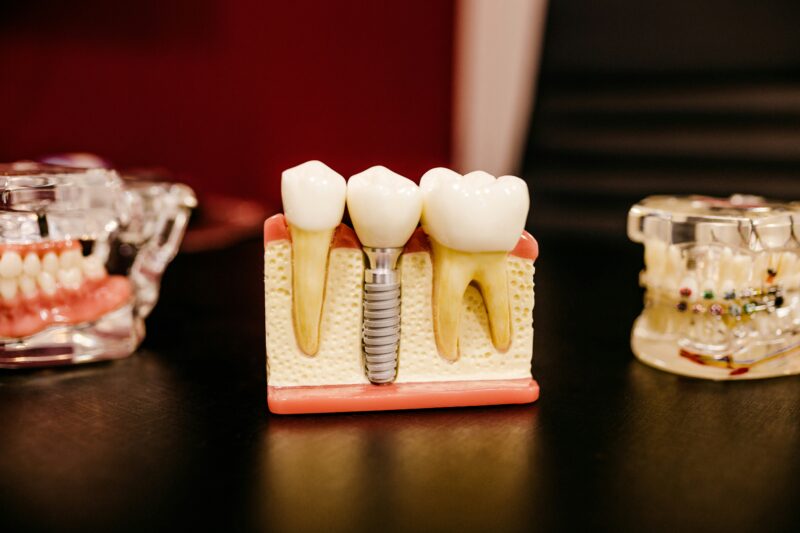
When a tooth is missing, the jawbone where its root used to sit receives less mechanical stimulation. Bone tissue requires loading to maintain density; without a root or implant, the bone begins to resorb, often noticeably within a few months.
Over time that resorption reduces bone height and width at the extraction site. You may notice a sunken appearance in the gum and nearby facial contours, especially if multiple teeth are lost. Reduced bone volume can complicate later implant placement and increase the need for grafting procedures.
Monitor the site for changes in the gum level and facial fullness. If you plan an implant later, earlier intervention preserves bone and simplifies restoration.
Shifting of Surrounding Teeth
Adjacent teeth tend to drift into the empty space because there is no opposing lateral or contact force to hold them in place. This movement can begin within weeks and becomes more pronounced over months.
Shifting alters spacing and can create gaps or crowding. Opposing teeth may overerupt into the vacant space, changing vertical tooth relationships and exposing roots to decay or sensitivity.
You may need orthodontics, crowns, or bridges to correct the new alignment. Addressing tooth movement early often reduces the extent and cost of corrective treatment.
Altered Bite Alignment
A missing tooth changes how your upper and lower teeth meet. As neighboring and opposing teeth move, your occlusion (bite) can become uneven or develop premature contact points.
Uneven bite forces increase wear on certain teeth and can cause tooth fractures, looseness, or pain in the supporting periodontal ligaments. The altered force distribution also raises the risk of temporomandibular joint (TMJ) discomfort, including jaw pain, clicking, or headaches.
A dentist can evaluate bite changes and recommend solutions such as crowns, bridges, implants, or occlusal adjustments to redistribute forces and protect remaining teeth.
Chewing and Digestive Issues
Losing a tooth decreases chewing efficiency, particularly if the missing tooth sits in the back where grinding happens. You may unconsciously favor the other side, causing uneven muscle development and strain.
Reduced chewing effectiveness leads you to swallow larger food particles, which forces your stomach and intestines to work harder and can impair digestion over time. You might also avoid certain foods, limiting fiber or nutrient intake and affecting overall diet quality.
Restoring the missing tooth improves bite balance, spreads chewing forces, and helps you maintain a normal diet without compensatory habits that strain your jaw or digestive system.
Impact on Appearance and Confidence
A missing tooth can change how your face looks, how you speak, and how you feel in social or professional situations. These changes often develop gradually but become more noticeable without treatment.
Facial Structure Changes
When you lose a tooth, the jawbone underneath no longer receives normal chewing pressure. Over months to years, this causes bone resorption at the extraction site, which can reduce bone height and width.
That bone loss affects neighboring teeth; they can tilt or drift into the gap, altering your bite and tooth alignment. Crowding or gaps make restorations harder later and often require orthodontic correction.
You may notice changes in your lower face: the lip on the affected side can collapse inward, and cheek support can decrease. These shifts can create deeper nasolabial folds or a slightly “sunken” look around the mouth, making you appear older.
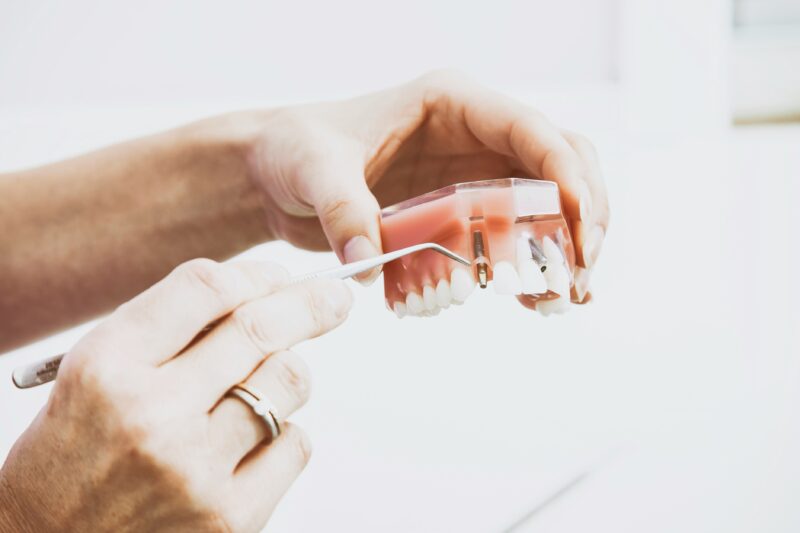
Options like dental implants preserve bone by transmitting chewing forces into the jaw. Bridges and dentures restore appearance but vary in how well they prevent bone loss; implants offer the most predictable structural preservation.
Speech Difficulties
A missing tooth can interfere with the tongue’s contact points needed for certain consonants. Sounds such as “s,” “t,” “th,” and “f” rely on precise placement of the tongue and lips against teeth.
You might develop a lisp or slurred consonants, especially if a front tooth is missing. These changes can emerge immediately after tooth loss and worsen if adjacent teeth shift.
Denture wearers sometimes experience altered airflow and resonance until they adapt. Removable prostheses may need adjustment or relining to restore normal speech; fixed options like implants or bridges generally offer more natural articulation.
If speech changes affect your job or social confidence, consult your dentist or a speech therapist. Early prosthetic replacement often restores clearer speech and reduces the need for long-term speech retraining.
Psychological Effects
Visible tooth loss often leads to self-consciousness during conversations, smiling, or eating in public. You may avoid photos, cover your mouth when laughing, or decline social invitations to minimize exposure.
That avoidance can reduce professional opportunities and strain relationships, particularly where first impressions matter. Studies show people with missing front teeth report higher social anxiety and lower self-esteem compared with those who have complete smiles.
Immediate replacement options help restore confidence quickly by improving appearance and function. Behavioral changes — such as practicing speech and planning restorative treatment — also reduce anxiety while you pursue definitive care.
Long-Term Oral Health Risks
Missing a tooth can lead to progressive problems that affect nearby gums, supporting bone, and the stability of surrounding teeth. These issues often develop gradually but become harder and more expensive to treat over time.
Gum Disease and Infection
When a tooth is gone, the gum tissue and bone at that site receive less stimulation from chewing. Without stimulation, the socket can harbor food debris and bacteria, increasing plaque buildup along adjacent teeth and at the gumline. That raises your risk of localized gum inflammation (gingivitis) that can progress into periodontitis if not managed.
Periodontitis destroys the fibers and bone that hold teeth in place. You may notice increased gum bleeding, deeper periodontal pockets, and gum recession near the gap. If infection sets in, you could develop abscesses requiring antibiotics, drainage, or surgical intervention. Maintaining strict oral hygiene and professional cleanings becomes more important to prevent these outcomes.
Increased Risk of Additional Tooth Loss
A missing tooth alters how forces travel through your bite during chewing. Neighboring teeth tilt or drift into the empty space, creating misalignment and uneven force distribution. That can produce abnormal wear, cracks, and looseness in those teeth over months to years.
Bone resorption at the extraction site reduces support for adjacent roots. Combined with altered bite forces and potential gum disease, this accelerates mobility and the chance those neighboring teeth will need extraction later. Restorative options such as implants, bridges, or partial dentures restore function and protect surrounding teeth by preserving alignment and distributing chewing load.
About the Author