You’ll feel how dental implants blend with your mouth because they replace both the visible tooth and its root-like support in the jaw. For those exploring All-on-4 dental implants in Stuart, FL, implants feel and function like natural teeth for most people because they fuse with bone, provide stable chewing force, and recreate normal bite mechanics.
This post will walk you through how implants mimic real teeth, what sensations to expect, why they look natural, and how they protect long-term oral health so you can decide with clear facts. Expect straightforward details about comfort, sensation, appearance, and durability to help you know what to expect.
How Dental Implants Mimic Real Teeth
Dental implants reproduce the main functional elements you rely on: a fixed root-like anchor, a tooth-shaped crown, and stable force transfer for biting and chewing. You get solid support, predictable wear patterns, and sensory differences explained by anatomy and bone integration.
Anatomy of Dental Implants vs. Natural Teeth
Natural teeth consist of a crown, root, and periodontal ligament (PDL) that attaches the root to bone and provides sensory feedback. Implants replace the root with a titanium or zirconia post that sits in bone; an abutment connects the post to a custom crown that matches your adjacent teeth in shape and color.
Key differences you should note:
- Periodontal ligament: present in natural teeth, absent in implants. This reduces fine pressure sensation around an implant.
- Materials: implant fixtures are biocompatible metals or ceramics, while natural dentin and enamel differ in hardness and wear characteristics.
- Prosthetic design: crowns on implants are made to mimic occlusion and contact points so they function like your original teeth.
These structural choices let implants restore form and function while creating predictable long-term stability.
Osseointegration and Stability
Osseointegration describes bone bonding directly to the implant surface. After placement, your jawbone remodels and grows tightly against the implant, creating a rigid attachment that acts like a root anchored in bone rather than a ligament-suspended tooth.
Factors that affect integration:
- Bone quality and quantity at the site.
- Implant surface texture and material.
- Proper surgical technique and post-op care.
Once integrated, the implant resists micromovement and provides a stable platform for the crown. That stability keeps the prosthetic from shifting during speech or chewing, and it lowers the risk of wear or damage to adjacent teeth.
Bite Force and Chewing Function
Because an integrated implant transfers force directly to bone, it restores much of your original bite strength. Studies and clinical experience show implants allow near-normal chewing efficiency for most foods when properly restored and aligned.
Practical points for you:
- Occlusal adjustment: your dentist shapes contacts to distribute force evenly across the implant and natural teeth.
- Prosthetic material: crowns use durable ceramics or porcelain-fused-to-metal to withstand chewing loads.
- Sensory adaptation: without the PDL you may initially perceive biting differently; your muscles and brain adapt within weeks.
With correct planning and maintenance, implants let you bite, chew, and speak with confidence comparable to natural teeth.
Sensory Experience and Oral Comfort
You can expect an oral sensation that closely matches natural teeth and a fit that interacts predictably with gums and adjacent teeth. The section explains how implants transmit pressure and how soft tissues adapt to preserve comfort and function.
Natural Sensation in the Mouth
Dental implants anchor directly into bone, so you feel pressure through the implant crown rather than through a periodontal ligament. That means you can detect bite force and food texture, though fine tactile feedback—like slight tooth movement sensed by natural teeth—will be reduced. Studies of tactile sensibility and thickness discrimination show measurable differences, but most people report sufficient feedback to chew safely and confidently.
Expect a short learning period as your nervous system adapts. You may notice subtle differences when biting thin objects or sensing vibration, but these seldom affect everyday function. If you have sensitivity to temperature or pain after surgery, contact your clinician—long-term temperature perception is typically similar to natural teeth once healing completes.
Fit and Interaction With Surrounding Tissue
Your implant crown is shaped and positioned to match neighboring teeth and maintain proper occlusion. A well-designed restoration distributes chewing forces through the implant and jawbone, reducing abnormal load on adjacent teeth. The prosthetic margin sits at or slightly below the gum line to protect soft tissue and allow easy cleaning.
Soft tissue response matters: healthy gums should form a tight seal around the implant abutment, minimizing food impaction and inflammation. You must keep the area clean with interdental brushes and floss designed for implants. If you notice persistent redness, bleeding, or loosening, schedule an exam to assess peri-implant health and the restoration’s fit.
Aesthetic Benefits of Dental Implants
Dental implants restore the visible tooth and support the surrounding gum and bone, so your smile looks natural and proportionate. They match color, shape, and alignment while preventing the sunken appearance that can follow tooth loss.
Replicating the Appearance of Real Teeth
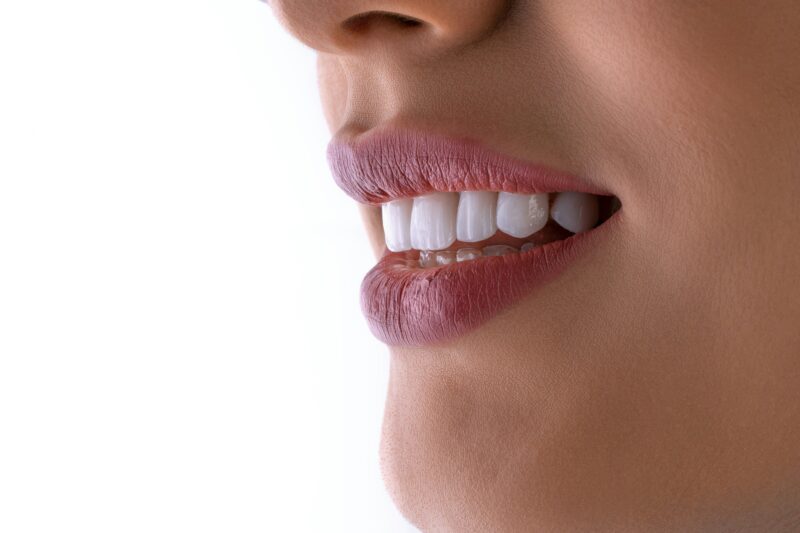
Dental implant crowns are custom-made from materials like porcelain or zirconia to match your adjacent teeth in color, translucency, and surface texture. Your dentist takes precise impressions or digital scans, then sculpts the crown to replicate the exact height and contour of the original tooth.
The implant’s titanium post sits under the gum, so the crown emerges from tissue rather than sitting on top like a denture. That emergence profile produces natural-looking gum contours and avoids dark lines at the gum margin.
You can expect shade matching, surface characterization (striations or slight translucency), and proper contact points so the implant blends visually and functionally with neighboring teeth.
Preservation of Facial Structure
When you lose a tooth, the jawbone in that area begins to resorb, which can shorten the lower face and deepen nasolabial folds. An implant stimulates the bone through the implant-to-bone connection, reducing the rate of bone loss compared with leaving the space empty or using removable dentures.
Maintaining bone volume supports the overlying soft tissues—lips and cheeks—so your facial profile stays firmer and more youthful. This structural support also helps nearby teeth remain stable, preserving your overall dental alignment and the natural look of your smile.
Long-Term Performance and Oral Health
Dental implants provide stable chewing, slow bone loss near the implant, and usually require only routine hygiene and periodic checkups to maintain function. You should expect predictable outcomes when you follow care instructions and address risk factors like smoking or uncontrolled diabetes.
Durability and Longevity
Implants are made from titanium or zirconia and fuse to bone through osseointegration, which gives them high resistance to loosening. With proper oral hygiene and regular dental visits, many implants last 15–25 years or longer; reported survival rates commonly exceed 90% at 10 years.
Factors that shorten lifespan include heavy bruxism, poor fitting restorations, untreated periodontal disease, and systemic conditions that impair healing. You can extend implant life by using a nightguard if you grind, replacing worn crowns on schedule, and keeping gums healthy with daily brushing and interdental cleaning.
Impact on Adjacent Teeth
Unlike bridges, implants do not require grinding down neighboring teeth, so they preserve the structure and strength of adjacent teeth. Implants also help maintain local jawbone volume, which prevents shifting of nearby teeth and reduces long-term bite changes.
However, implants need a healthy surrounding environment: untreated gum disease near an implant can lead to peri-implantitis and bone loss that affects neighboring teeth. You should get professional cleanings and have your dentist check implant contacts and occlusion to prevent wear or food trapping that could harm adjacent teeth.
About the Author