The Growing Interest in Bioactive Compounds
More people today are paying closer attention to what goes into their bodies and their research labs. From the supplements on store shelves to the compounds studied in scientific settings, there is a growing curiosity around bioactive substances and how they interact with biological systems.
But here is the thing: not all bioactive products are created equal. Quality matters more than most people realize, and understanding why can save you time, money, and frustration.
Whether you are exploring wellness supplements for personal use or sourcing materials for scientific study, the standard of what you use directly shapes the results you get.
What Are Bioactive Compounds and Why Do They Matter?
Bioactive compounds are naturally occurring or synthetically developed substances that have an effect on living organisms. They interact with cells, tissues, and biological pathways in meaningful ways.
You will find them in many places, including:
- Functional foods like berries, green tea, and cruciferous vegetables
- Nutritional supplements and vitamins
- Compounds used in laboratory and research settings
The reason they matter so much comes down to biological activity. A compound that is impure, poorly stored, or incorrectly formulated may not behave the way it is supposed to. This is especially important in research contexts where precision is everything.
The Quality Problem in the Bioactive Products Market
The supplement and research compound industry is large and growing fast. Unfortunately, that growth has not always come with consistent quality standards.
Common Issues With Low-Quality Products
Low-grade bioactive products often suffer from the following problems:
Contamination: Trace amounts of heavy metals, pesticides, or microbial agents can compromise both safety and study outcomes.
Incorrect purity levels: A compound labeled at 98% purity that actually tests at 80% will produce unreliable results in any research setting.
Poor storage and handling: Many bioactive substances are sensitive to light, temperature, and moisture. Without proper protocols, degradation starts long before the product reaches the end user.
Inaccurate labeling: This is more common than it should be. Misleading concentration values or undisclosed fillers can throw off any carefully designed study or wellness routine.
How Quality Impacts Research Outcomes
In scientific and laboratory settings, the integrity of your materials is foundational. Researchers studying biological pathways, cellular behavior, or compound interactions need to trust that what they are working with is exactly what it says it is.
For example, scientists who regularly need to Research Peptides for Sale understand that sourcing from a reputable, transparent supplier is not optional. It is the difference between data that holds up and data that needs to be repeated three more times.
Reproducibility is one of the biggest challenges in modern research. A huge part of that problem traces back to inconsistent or low-quality inputs. When the same compound from two different suppliers produces different results, it creates confusion, wasted resources, and setbacks.
This is why third-party testing and Certificates of Analysis (COAs) have become non-negotiable benchmarks in the research community.
What to Look for in a High-Quality Bioactive Product
Whether you are buying for personal wellness or professional research, here are the key markers of a trustworthy product.
Third-Party Testing
Any reputable supplier will have their products independently verified. Look for COAs from accredited labs that confirm purity, potency, and the absence of contaminants.
Transparent Sourcing
Where do the raw materials come from? How are they processed? Companies that are open about their supply chain are generally more reliable.
Proper Storage Guidelines
Quality bioactive compounds come with clear storage instructions. Pay attention to temperature requirements and shelf life information.
Realistic Claims
Be cautious of products that promise dramatic outcomes. Trustworthy brands stick to factual, evidence-informed language rather than sensational marketing.
Bioactive Compounds in Everyday Wellness
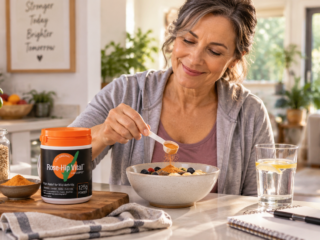
Outside of research, many people incorporate bioactive-rich foods and supplements into their daily routines to support general wellbeing. Think polyphenols from dark berries, curcumin from turmeric, or omega-3 fatty acids from fish oil.
The science around these compounds continues to grow, and while no supplement replaces a balanced lifestyle, choosing high-quality versions of these substances makes a noticeable difference in how consistently they support your goals.
The same logic applies here as it does in professional research: quality inputs lead to more reliable outcomes.
Responsible Use and Sourcing Tips
A few practical guidelines worth keeping in mind:
- Always purchase from suppliers who provide verifiable purity documentation.
- Check for batch-specific testing, not just general product claims.
- Store products correctly from the moment they arrive.
- For research applications, confirm that any compound you source, including if you need to Research Peptides for Sale, is intended strictly for laboratory and research use and not for human consumption.
- Stay informed about regulatory guidelines in your region before sourcing or using any bioactive compound.
Responsible sourcing is not just about getting good results. It also reflects a broader commitment to ethical research and personal integrity.
Final Thoughts
Quality in bioactive products is not a luxury. It is a baseline requirement, whether you are running a scientific study or simply trying to support your own wellbeing with evidence-backed supplements.
The market is full of options, but not all of them deserve your trust. Choosing products that are transparently tested, properly stored, and honestly labeled gives you the best foundation to work from.
Do the research, ask the right questions, and always prioritize quality over price when it comes to compounds that interact with biology. Your results, and your integrity, depend on it.
Important Note: All peptides and related compounds referenced in this article are intended strictly for research and laboratory study purposes only. They are not approved for human use, consumption, or medical application. Any procurement or use of such compounds should comply fully with applicable institutional, regional, and national regulations governing research materials.
About the Author