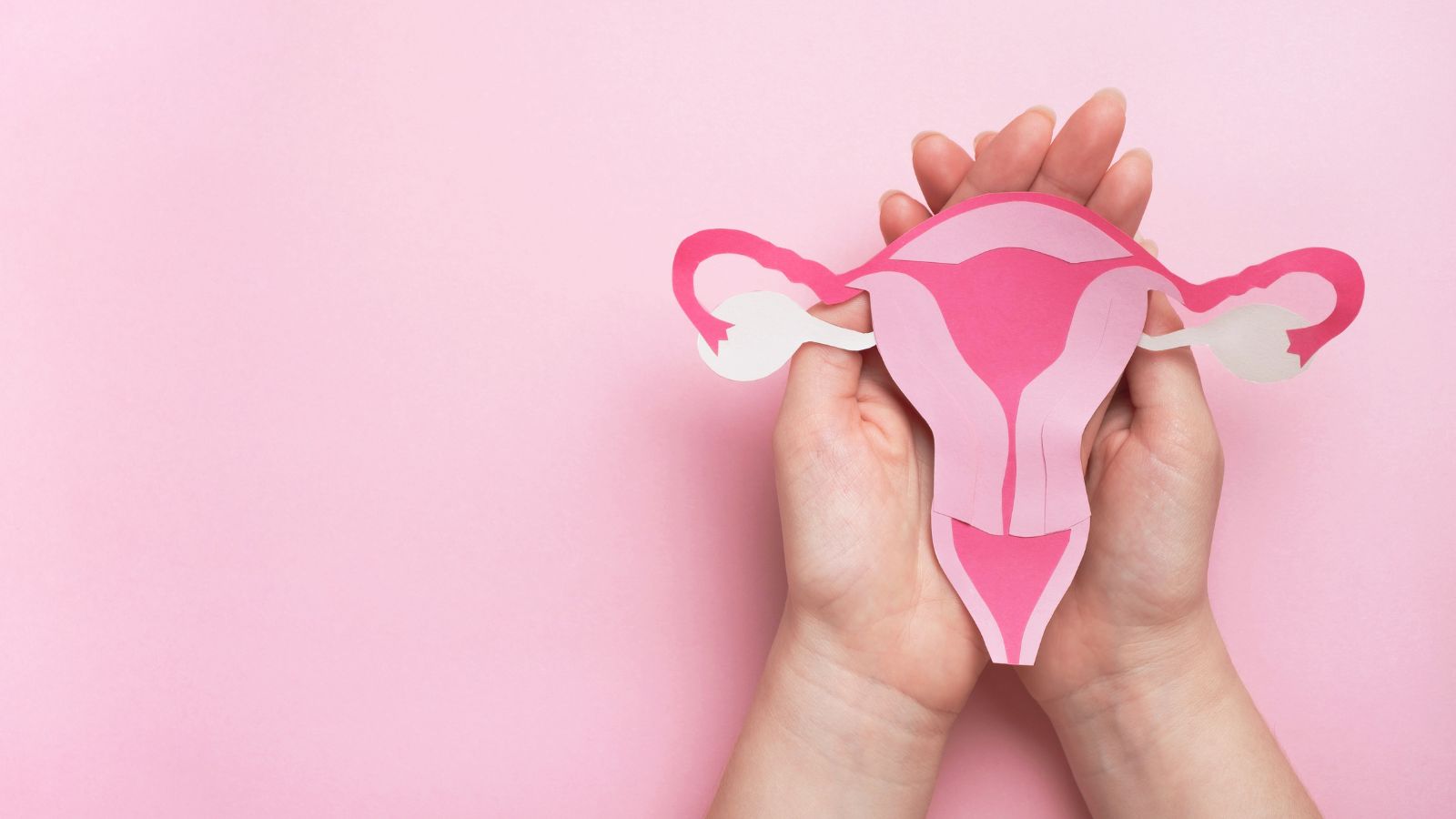
Progesterone cream offers natural support that helps balance hormones and ease symptoms of hormonal changes. This topical solution provides an effective way to supplement this vital hormone when your body needs additional support.
What Is Progesterone Cream?
Progesterone cream is a topical preparation designed to be applied to the skin. It contains progesterone suspended in a cream base that allows for easy application and absorption. This delivery method helps the hormone enter your system gradually and consistently. They’re formulated to absorb quickly and leave minimal residue on the skin.
sp;
The Importance of Bioidentical Progesterone
The progesterone in these creams should be bioidentical, meaning it’s structurally identical to the molecule your body produces naturally. This exact match is crucial because it fits perfectly into your body’s receptors. Bioidentical progesterone creates fewer side effects than synthetic progestins found in many medications. Your body recognizes it as “self” rather than a foreign substance, allowing for more natural processing and utilization [1].
Why Transdermal Application Works Better
Transdermal application (through the skin) offers significant advantages over oral progesterone supplements:
- When taken orally, up to 90% of progesterone is broken down by the liver before reaching circulation. This “first-pass metabolism” greatly reduces effectiveness [2].
- Oral progesterone creates metabolites that may cause drowsiness and other unwanted effects.
- Research shows that progesterone cream can pass through the skin and enter the bloodstream, though absorption rates vary based on individual factors like skin thickness, application site, and cream formulation [3].
- Transdermal delivery systems generally provide more gradual release of hormones compared to oral administration [3].
- Transdermal application may require lower doses to achieve the same benefits as oral supplements.
Benefits for Women
Menopause Support
Progesterone levels drop during menopause. This drop contributes to many uncomfortable symptoms.
Progesterone cream may help with:
- Hot flashes and night sweats
- Sleep problems
- Mood changes
- Vaginal dryness
- Memory issues
Many women report feeling more like themselves after using progesterone cream. The hormone helps balance the effects of estrogen, which can become dominant during menopause [4]. Individual responses vary significantly, and progesterone may not address all symptoms for all women. Your personal hormone profile and symptoms will determine your results.
PMS and Menstrual Support
During the menstrual cycle, progesterone rises after ovulation. Low levels can cause PMS symptoms.
Progesterone cream may help with:
- Breast tenderness
- Bloating
- Mood swings
- Headaches
- Cramps
Using the cream during the second half of your cycle can restore balance. This timing mimics your body’s natural progesterone pattern [5].

Fertility Support
Progesterone prepares the uterus for pregnancy. Low levels might affect fertility.
Some women use progesterone cream to:
- Support implantation
- Maintain early pregnancy
- Regulate cycles
- Improve ovulation
Medical supervision is absolutely essential when using progesterone for fertility issues. Self-treatment can be ineffective or potentially problematic. Always work with a reproductive endocrinologist or fertility specialist who can provide proper testing, dosing guidance, and monitoring throughout your fertility journey.
How to Use Progesterone Cream
Using progesterone cream correctly improves results. Follow these guidelines:
During Menstrual Years
- Start after ovulation (usually day 14)
- Continue until your period begins
- Apply to thin-skinned areas like wrists, chest, or inner arms
- Use the recommended amount (typically 20-40 mg)
During Menopause
- Use daily for 25-27 days per month
- Take a 3-5 day break monthly
- Apply to thin-skinned areas • Use the recommended amount
Application Tips
- Rotate application sites to prevent skin saturation
- Apply to clean, dry skin
- Apply to areas where fat deposits are low, such as behind knees, inside elbows, or nape of neck
- Wash hands after applying
Finding Your Optimal Dose
The right amount varies by person. Start with a lower dose and adjust based on how you feel.
Signs you might need to adjust your dose include:
Using Too little:
- Symptoms don’t improve
- Sleep problems persist
- Mood issues continue
Using Too much:
- Sleepiness
- Dizziness
- Spotting
Testing hormone levels before and during use helps find your ideal dose, with saliva testing often showing greater sensitivity to changes from progesterone cream than blood tests. However, the optimal testing method may vary by individual and clinical situation. Work with a healthcare provider familiar with bioidentical hormones who can recommend the most appropriate testing approach for your specific needs.
What to Look for in Quality Progesterone Cream
Not all progesterone creams are equal. Choose products with:
- Bio Identical Progesterone (same as your body naturally produces
- Micronized USP, high grade Progesterone small particles optimized for delivery
- 20-40 mg per serving
- Accurate, consistent dosing method, such as a metered pump
- Third-party testing
Avoid creams listing only “wild yam extract.” Wild yam extract contains diosgenin which your body can’t convert to progesterone without chemical processing.
Delivery Methods
Progesterone cream comes in several forms:
- Pump bottles: Provide precise dosing and better hygiene
- Jars: Allow you to scoop the amount you need
- Tubes: Portable and convenient
Many users prefer pump bottles for their consistent dosing and cleanliness. Each pump delivers an exact amount, making it easier to track your usage.
Potential Side Effects
Most side effects are mild and often resolve as your body adjusts.
Possible side effects include:
- Breast tenderness
- Spotting or bleeding
- Headaches
- Fatigue • Dizziness
Reduce your dose if side effects occur. Talk to your healthcare provider if they persist.
Who Should Avoid Progesterone Cream
Some people should use caution or avoid progesterone cream:
- Those with hormone-sensitive cancers
- People with blood clotting disorders
- Those with liver disease
- Women with undiagnosed vaginal bleeding
- People taking certain medications
Always check with your healthcare provider before starting progesterone cream.
Progesterone for Men
Men also produce progesterone, though in smaller amounts than women. As men age, their hormone levels change too. Some men find benefits from using progesterone cream:
Hormone Balance
Progesterone helps balance testosterone and estrogen in men. This balance becomes more important with age.
Benefits may include:
- Better sleep quality
- Improved mood stability
- Reduced anxiety
- Enhanced mental clarity
Prostate Health
Some researchers are investigating potential relationships between progesterone and prostate health.
Early-stage research suggests possible mechanisms by which hormonal balance might influence:
- Hormone metabolism, including DHT (dihydrotestosterone) pathways
- Inflammatory processes in prostate tissue
- Cellular signaling related to prostate tissue [7]
Men interested in progesterone typically use smaller amounts than women. Professional hormone testing and guidance from a healthcare provider knowledgeable about men’s hormonal health is essential. This represents an emerging area of research in regards to progesterone’s specific effects on the prostate.
Combining with Other Hormones
Some people use progesterone cream alongside other hormone therapies.
Common combinations include:
- Progesterone with estrogen for menopause
- Progesterone with DHEA for adrenal support
Proper testing and professional guidance help ensure these combinations work well together.
The Science Behind Progesterone
Progesterone affects many body systems:
- Brain: Acts as a natural calming agent
- Bones: Supports bone building
- Immune system: Helps regulate immune response
- Metabolism: Affects how cells use energy
- Sleep: Promotes deep sleep phases [8]
Research continues to uncover new roles for this important hormone.
Lifestyle Factors That Affect Progesterone
Several factors can lower your natural progesterone production:
- Chronic stress
- Poor sleep
- Nutrient deficiencies
- Environmental toxins
- Lack of exercise
Addressing these factors alongside using progesterone cream gives you the best results.
Conclusion
Progesterone cream offers natural hormone support primarily for women experiencing hormonal changes, with growing interest among men seeking hormonal balance as well. Whether you’re dealing with menopause, PMS, fertility issues for women; or age-related hormonal shifts for men, progesterone cream might help restore balance. Start with quality products, proper testing, and professional guidance tailored to your specific needs. Women and men have different optimal dosages and application schedules, so personalized advice is essential. Pay attention to how your body responds and adjust as needed. With the right approach, progesterone cream can be a valuable tool for hormone health across genders. Remember that hormone balance involves more than just progesterone. Diet, exercise, stress management, and sleep all play important roles for everyone seeking hormonal wellness. Consider progesterone cream as part of your complete wellness plan, and work with healthcare providers who understand the unique needs of both women and men when it comes to hormone supplementation.
Disclaimer
This information is educational in nature and not intended to diagnose, treat, cure, or prevent any disease. Always consult with a qualified healthcare provider before starting any new supplement, including progesterone cream, especially if you have existing health conditions or take medications.
1. Holtorf K. The bioidentical hormone debate: are bioidentical hormones (estradiol, estriol, and progesterone) safer or more efficacious than commonly used synthetic versions in hormone replacement therapy? Postgrad Med. 2009 Jan;121(1):73-85. doi: 10.3810/pgm.2009.01.1949. PMID: 19179815.
2. Stanczyk FZ. Pharmacokinetics of progesterone administered by the oral and parenteral routes. J Reprod Med. 1999 Feb;44(2 Suppl):141-7. PMID: 11392023.
3. O’Leary P, Feddema P, Chan K, Taranto M, Smith M, Evans S. Salivary, but not serum or urinary levels of progesterone are elevated after topical application of progesterone cream to pre-and postmenopausal women. Clin Endocrinol (Oxf). 2000 Nov;53(5):615-20. doi: 10.1046/j.1365-2265.2000.01130.x. PMID: 11106923.
4. Prior JC. Progesterone for Symptomatic Perimenopause Treatment – Progesterone politics, physiology and potential for perimenopause. Facts Views Vis Obgyn. 2011;3(2):109-20. PMID: 24753856; PMCID: PMC3987489.
5. Fischer B, Gleason C, Asthana S. Effects of hormone therapy on cognition and mood. Fertil Steril. 2014 Apr;101(4):898-904. doi: 10.1016/j.fertnstert.2014.02.025. PMID: 24680649; PMCID: PMC4330961.
6. Lee JR, et al. What Your Doctor May Not Tell You About Menopause. Warner Books; 2004.
7. Tsilidis KK, Rohrmann S, McGlynn KA, Nyante SJ, Lopez DS, Bradwin G, Feinleib M, Joshu CE, Kanarek N, Nelson WG, Selvin E, Platz EA. Association between endogenous sex steroid hormones and inflammatory biomarkers in US men. Andrology. 2013 Nov;1(6):919-28. doi: 10.1111/j.2047-2927.2013.00129.x. Epub 2013 Sep 30. PMID: 24124163; PMCID: PMC3812341.
8. Caufriez A, Leproult R, L’Hermite-Balériaux M, Kerkhofs M, Copinschi G. Progesterone prevents sleep disturbances and modulates GH, TSH, and melatonin secretion in postmenopausal women. J Clin Endocrinol Metab. 2011 Apr;96(4):E614-23. doi: 10.1210/jc.2010-2558. Epub 2011 Feb 2. PMID: 21289261.