- Gentle therapy techniques support ageing bodies by promoting safe, sustainable movement
- Therapists often tailor care to everyday activities like walking, gardening, or lifting
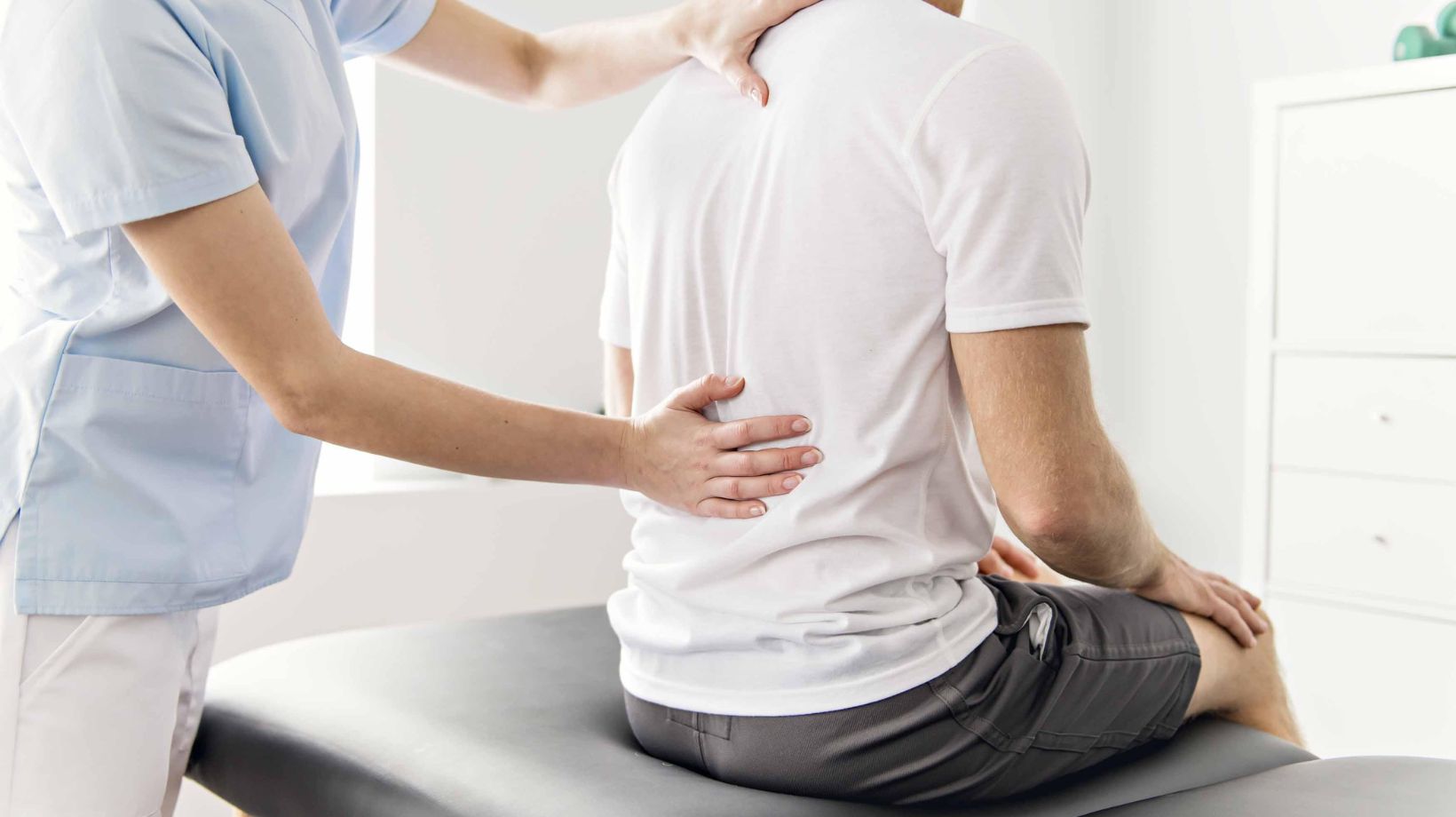
- Hands-on care builds confidence and reduces fear of movement in older adults
- Simple strategies can help maintain mobility and independence outside the clinic
Getting older doesn’t have to mean giving up the things that make life enjoyable. Whether it’s walking the dog, pottering in the garden, or playing with grandkids, staying active is key to maintaining independence and wellbeing. However, stiffness, aches, and reduced balance can make these everyday activities more challenging over time. That’s where gentle therapy can make a real difference.
These approaches are designed with older bodies in mind. They avoid pushing too hard or too fast, focusing instead on movements that support healing and confidence. If you’ve noticed your mobility slowing down or you’re feeling more hesitant with certain tasks, it doesn’t mean you need to stop. It just means your body needs a bit more tailored support—and that’s precisely what gentle therapies are built to provide.
Before starting any physical therapy, it can also be helpful to know what to wear so you can move freely and get the most benefit from each session.
Why movement matters more as we age
As we get older, our bodies naturally lose some of their resilience. Muscles don’t recover as quickly, joints can feel tighter, and reflexes aren’t as sharp as they once were. While this is a normal part of ageing, it’s also something we can influence through regular movement and supportive therapy.
The benefits of staying active go far beyond physical strength. Movement improves circulation, helps manage inflammation, and even supports brain function. However, older adults don’t need high-intensity workouts to experience these benefits. Low-impact, consistent activity, combined with gentle physical therapy, can help maintain function and reduce the risk of falls or long-term pain.
Therapists who specialise in ageing bodies know that pushing too hard can do more harm than good. That’s why the focus is on preserving mobility rather than maximising it. Instead of stretching to extremes or chasing gains, the goal is to support the natural movement you already have—and keep it working for you longer.
A local approach to age-friendly care
In Melbourne’s southeast, people looking for sustainable ways to manage mobility often visit Bayside osteo clinics. These services are highly regarded for their gentle, hands-on care, which is tailored to meet the needs of older adults. Instead of relying heavily on machines or intense manipulation, practitioners often guide the body through movement using slow, controlled techniques.
This kind of therapy isn’t just about relieving pain in the moment. It’s about building confidence to move again. Many older clients come in not only for treatment, but also for advice on how to move more comfortably in their daily lives. The local emphasis means practitioners are often tuned in to the activities common in the area—be it beach walks, weekend gardening, or caring for grandkids—and they tailor care with those goals in mind.

What makes this approach effective isn’t just the therapy itself. It’s the consistency, the pacing, and the attention to what matters to the individual. When therapy aligns with how someone wants to live—not just what hurts—it becomes much easier to stick with and see lasting results.
The science behind gentle techniques
Just because a therapy approach is gentle doesn’t mean it lacks substance. Many of the techniques used in age-focused care are backed by substantial research. Soft tissue release, joint mobilisation, and guided movement exercises have been shown to reduce pain, improve range of motion, and support long-term function when used consistently.
What sets these techniques apart is how they work in conjunction with the body’s natural repair systems, rather than forcing change. For example, slow joint mobilisation can help stimulate synovial fluid production, easing stiffness without stressing ligaments. Similarly, gentle muscle energy work can activate deeper stability muscles without the risk of overuse. These methods are designed to create space for the body to adapt and heal at its own pace, making them well-suited for people dealing with chronic conditions or long-standing pain.
The emphasis isn’t on doing more—it’s on doing what’s effective, safe, and repeatable. That’s why these approaches are often integrated into longer-term care plans, especially when the goal is to preserve independence rather than push athletic performance.
Psychological impact of hands-on care
There’s a lot to be said for what touch, reassurance, and consistency can do for someone who’s struggling with movement. Many older adults experience a loss of confidence as their bodies change, especially if they’ve had a fall or ongoing pain. Therapy becomes more than just treatment—it becomes a relationship that helps rebuild trust in their own body.
Hands-on care offers a sense of presence that’s hard to replicate with machines or group programs. Being listened to, having time to explain concerns, and receiving treatment that’s not rushed all contribute to the psychological side of recovery. This connection can enhance how people interact with their treatment plans, particularly when it comes to maintaining home exercise routines.

Fear of movement is a real barrier for many. If someone is unsure whether they’ll hurt themselves by walking, lifting, or even standing for long periods, they’re less likely to stay active. But when treatment helps reduce that fear—and replaces it with confidence—it has a ripple effect. People start doing more, feeling better, and depending less on others.
Supporting independence through tailored strategies
One of the most valuable aspects of gentle therapy is its seamless integration into everyday life. Instead of relying solely on clinic-based treatment, many practitioners help older adults carry their progress into everyday routines. This often includes simple strengthening exercises that can be done at home, tips for reducing joint stress during common activities, and advice on how to recover more effectively after exercise.
What makes these strategies work is their individual focus. A therapist might suggest ways to adjust how you bend while gardening or recommend specific movement patterns that make standing up from a chair easier. These aren’t generic exercise plans—they’re customised, small shifts that protect mobility over time.
Therapy in this context isn’t about making people dependent on treatment. It’s about teaching skills and habits that reduce the need for constant help. With a bit of guidance, many older adults find they’re able to return to the activities they enjoy with more ease and less worry. That sense of control is often just as important as any physical result.
Conclusion
Staying active as you age doesn’t require pushing through pain or chasing youth. With the right approach, it’s possible to move more effectively, feel more confident, and continue doing the things that matter most. Gentle therapies offer a path forward that’s realistic, respectful of the body’s changes, and built for long-term success, not just quick fixes.
About the Author