Teeth whitening has become an increasingly popular cosmetic procedure, offering a way for individuals to lighten the natural color of their teeth without removing any of the tooth surfaces. It is a sought-after option for those looking to remedy discoloration caused by a variety of factors, including diet, age, certain medications, and lifestyle habits such as smoking.
Professional Teeth whitening, administered by dentists, involves the use of stronger whitening agents and sometimes includes the use of lights or lasers to enhance the bleaching process. Over-the-counter products, such as whitening toothpastes and kits, provide a more accessible but typically less potent alternative. The choice between professional treatments and home remedies depends on the individual’s needs, the degree of whitening desired, and the sensitivity of the teeth.
The effectiveness of teeth whitening varies from person to person, taking into account the type of discoloration and the method used. While some might experience significant brightening, others may see more subdued results. It is important for individuals to have realistic expectations and seek professional advice to ensure the health and safety of their teeth and gums during the whitening process. For those seeking expert care and guidance, a trusted dentist Bonney Lake can help ensure your teeth whitening journey is safe and effective.
The Science of Teeth Whitening
This section examines the fundamental aspects of teeth whitening, from the common causes of tooth discoloration to the science behind various whitening methods.
Causes of Tooth Discoloration
Tooth discoloration can arise from several factors, broadly categorized as extrinsic or intrinsic. Extrinsic causes include:
- Diet: Consuming foods and beverages with strong colorants such as coffee, tea, red wine, and certain fruits.
- Tobacco Use: Nicotine and tar from smoking and chewing tobacco contribute to surface stains.
- Oral Hygiene: Inadequate brushing and flossing that leads to the accumulation of plaque and tartar.
Intrinsic causes stem from within the tooth, including:
- Age-Related Changes: Dentin naturally yellows over time, and tooth enamel thins, allowing the dentin to show through.
- Medication: Certain medications, such as tetracycline, can cause deep staining if taken during tooth development.
- Trauma: Impact injuries can result in discoloration due to damage to the inner structure of the tooth.
Whitening Agents and How They Work
The active agents in most tooth-whitening products fall into two categories: hydrogen peroxide and carbamide peroxide. These chemicals act through oxidation reactions, breaking down the complex molecules that cause stains into smaller, less pigmented components. The process is as follows:
- Hydrogen Peroxide: Directly breaks down stain molecules on the tooth surface.
- Carbamide Peroxide: A slower-acting agent that releases hydrogen peroxide over time.
Comparing Bleaching and Non-Bleaching Methods
Whitening methods are divided into bleaching and non-bleaching approaches, each with distinct mechanisms:
Bleaching Methods: Involve agents like hydrogen peroxide that penetrate the enamel to reach discolored molecules within the tooth.
| Bleaching Method | Agent Used | Application Type |
| In-Office | High-concentration hydrogen peroxide | Professionally applied |
| At-Home Trays | Lower-concentration hydrogen peroxide or carbamide peroxide | Consumer applied |
| Whitening Strips | Hydrogen peroxide or carbamide peroxide | Consumer applied |
Non-Bleaching Methods: Primarily include physical and chemical actions that remove surface stains without altering the tooth’s intrinsic color.
| Non-Bleaching Method | Mechanism of Action |
| Whitening Toothpaste | Abrasive agents that polish the teeth |
| Whitening Chewing Gums | Saliva production assists in stain removal |
Each whitening method’s effectiveness and suitability can vary depending on the individual’s circumstances and the nature of their tooth discoloration.
Teeth Whitening Procedures
Teeth whitening procedures vary in application techniques and effectiveness. They range from professional treatments to do-it-yourself methods. For those in the area, teeth whitening Orlando FL offers expert cosmetic dentistry services with advanced whitening techniques to help achieve a brighter smile safely and effectively.
Professional In-Office Whitening
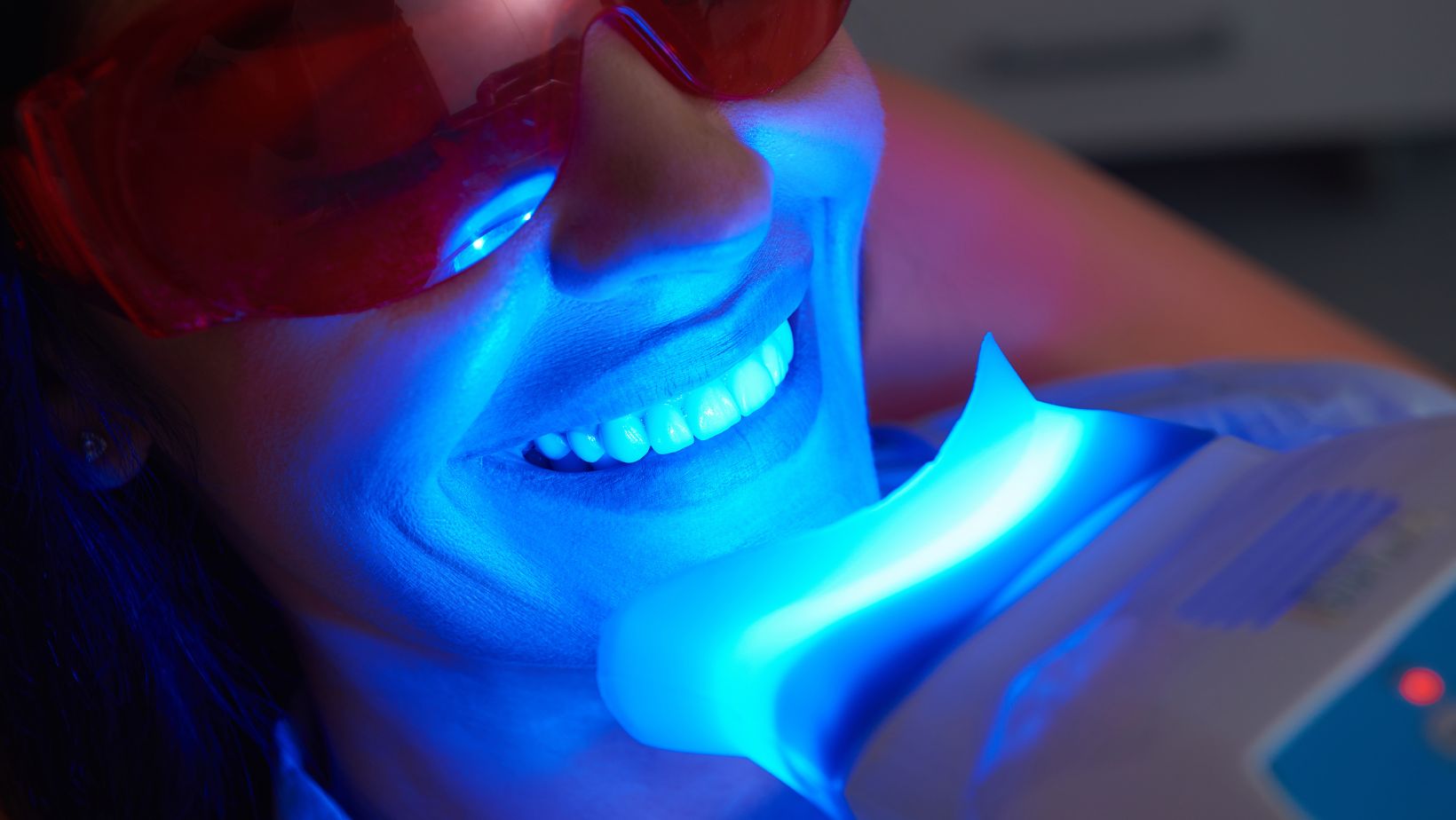
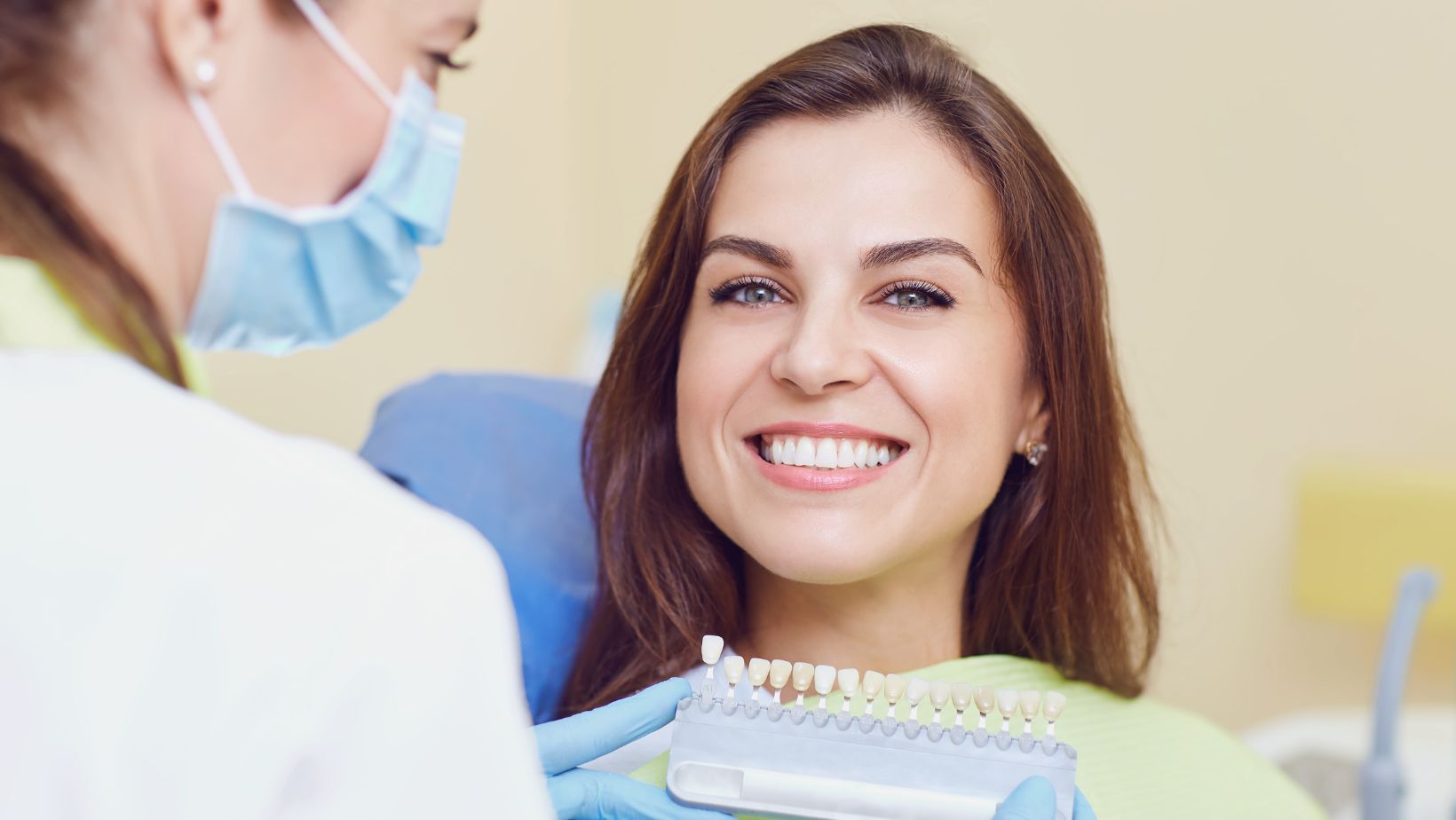
Professional in-office whitening is conducted by dental professionals using high-concentration bleaching agents. These treatments often involve the application of a protective gel to the gums, followed by the bleaching agent to the teeth. A light or laser may be used to accelerate the process. Typically, one session can take about an hour, and results are seen immediately after treatment.
- Session Duration: ~60 minutes
- Results: Immediate
At-Home Whitening Kits and Products
At-home whitening kits can be purchased over the counter or from a dental office. These products usually contain lower concentrations of bleaching agents compared to in-office treatments. Kits often include whitening trays, strips, or paint-on products. They must be used consistently over days or weeks to achieve desired results.
- Trays: Gel-filled molds worn for a specified time
- Strips: Thin, flexible plastic coated with whitening agent
- Paint-on: Applied directly to teeth using a small brush
Natural and DIY Whitening Methods
Natural and DIY methods include a variety of household items and practices thought to reduce tooth discoloration. Common ingredients are baking soda, hydrogen peroxide, and apple cider vinegar. These methods may be less effective than professional treatments and can vary in results. They should be used with caution to avoid damaging tooth enamel.
- Baking Soda: Mild abrasive that can remove stains
- Hydrogen Peroxide: A bleaching agent that can whiten teeth
- Apple Cider Vinegar: Claimed to have whitening properties but may erode enamel
About the Author