Running a lab often feels like a juggling act. You keep samples moving. You check instruments. You chase results. You also handle small tasks that stack up before you notice them.
Many labs look for fresh ways to stay efficient. They want smoother days without hiring more people. It sounds tough, yet it is possible with steady shifts in tools, habits, and workflow design.
Finding Relief Through Better Daily Structure
Most labs deal with crowded schedules. People handle long lists of tasks. The early hours move fast. The rush can feel nonstop. It helps to bring in tools that cut friction. Many teams look toward lab orchestration software once they see the cracks in their routine. The idea sounds simple. You want one system that guides sample flow and flags delays. You want fewer loose ends to chase. The right system supports that goal. It gives each person clear steps and timing. It also keeps things from piling up without notice.
This kind of structure feels small at first. Over time, it brings calm. It also protects staff from burnout. Days gain a smoother rhythm. You get fewer fires to put out. That alone can lift overall performance.
Creating a Clear Map of Every Process
A team stays efficient when every process has a shape. You want clear steps. You want to remove the guesswork. Many labs work with old habits that never got reviewed. People follow them because they always did. When you take time to map out each step, you find odd delays that hide in plain sight. You might see extra handoffs. You might spot unneeded pauses. You might find tasks that no one claims.
Process mapping also helps new staff move with confidence. They do not wander through the day. They know the order of tasks. They know what comes next. The entire team benefits from this clarity. It turns messy days into predictable ones. Predictability supports speed.
Using Small Automation Steps That Add Up
Labs often dream of big automation. Robots. New machines. Large upgrades. Those paths work, yet they need serious budgets. Many teams skip them because cost concerns rise fast. You can still improve daily efficiency with smaller automation choices. Simple barcode systems help. Sample tracking tools help. Shared dashboards help. Small changes like this cut time spent on repeated tasks. They also reduce errors.
Another strong move is automated scheduling for instruments. Many labs lose time because no one knows which device is free. A small scheduling tool fixes that. It keeps the lineup fair. It prevents long waits. It also avoids disputes that come from unclear access.
Tightening Communication to Avoid Missteps
A lab thrives on clear communication. Slow updates waste time. Mixed messages cause mistakes. You want a single place for notes and alerts. You want fast updates on delays. You want smooth handoffs between roles.
Team channels can help. Shared logs can help. Color-coded boards can help. Simple visual tools often solve bigger issues than long meetings. When people understand the status of each sample, they move with certainty. They also help each other more. Efficiency rises in that kind of environment.
Training That Uses Short, Steady Sessions
Training becomes a hidden loss of time when it drags on. New employees take longer to settle. Experienced staff need refreshers. Many labs prefer short training blocks. You teach one skill. You practice it. You repeat that cycle. These micro-sessions help people learn without disrupting the day.
You can also use quick video guides. Staff can revisit them when they forget a step. This keeps consistency strong. It also removes the need to pair each new person with a senior staff member for long periods. That opens time for the senior team to work without extra pressure.
Improving Storage Layout for Faster Access
A cluttered lab slows everyone down. People waste minutes searching for pipette tips. They hunt for reagents that hide in corners. They walk back and forth because tools sit in odd spots. A small layout refresh helps more than many expect. You can group tools by use. You can label drawers. You can place high-use items near shared benches.
Teams often feel a sense of relief when this shift happens. The whole space feels lighter. Tasks move faster. Mistakes drop because people no longer grab the wrong item. It also helps new staff get oriented with less stress.
Keeping Equipment Healthy to Avoid Interruptions
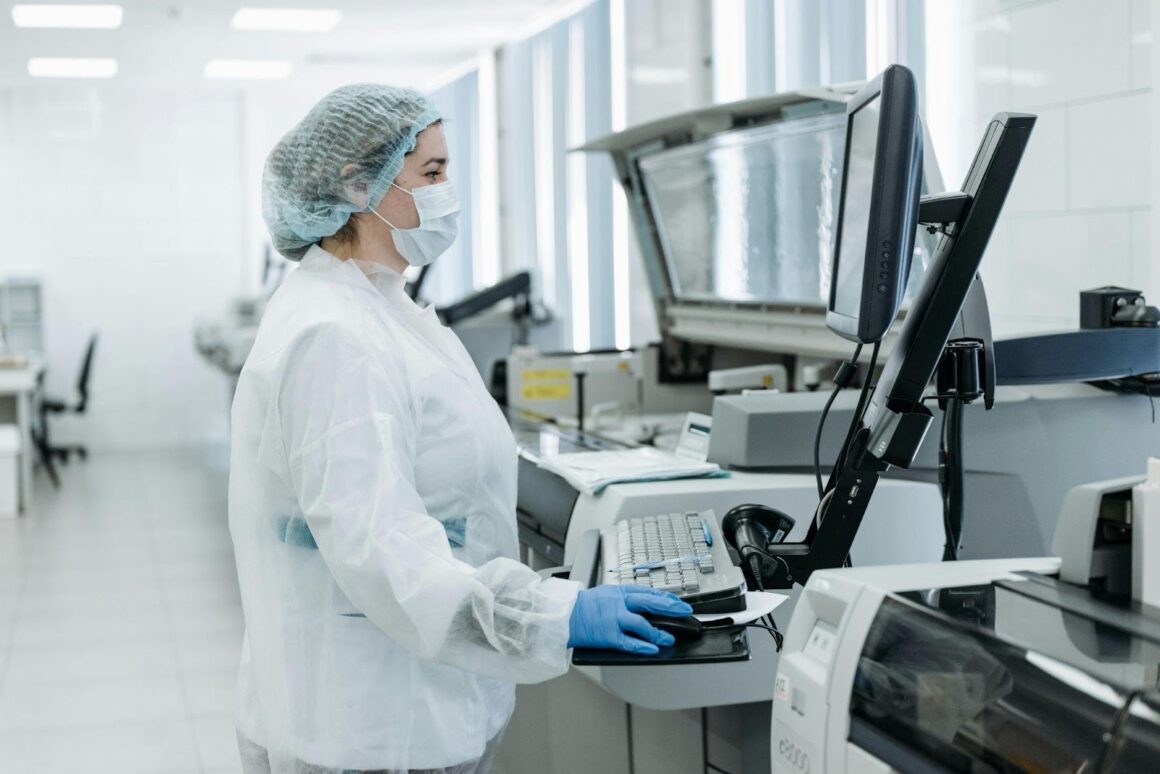
Maintenance often sits low on busy schedules. Many labs handle it only when a device acts up. This leads to sudden pauses that wreck the day. The better path is regular care. Short checks each week help. Planned downtime helps. Simple logs help. These habits keep instruments steady. They also reduce the chance of failures that force long delays.
Some labs assign one person to oversee maintenance. This role keeps track of schedules. It ensures nothing slips through cracks. It also builds pride in the health of the workspace.
Building Efficiency With Mindful Choices
Lifting lab efficiency without more staff is possible. It takes clear structure. It takes small tools. It takes honest review of old habits. You do not need big leaps to see change. Many gains come from steady improvements in workflow, layout, and communication. Each piece supports the next one.
Over time, the entire lab feels lighter and more coordinated. Productivity grows. Stress drops. Daily work feels smoother and more predictable. That balance creates a strong foundation for long-term success.
About the Author