Hospitals are being squeezed. That’s just the reality. More patients, higher costs, a million complex needs—but the money and the manpower don’t stretch any further. So what’s the answer? Some of it, surprisingly, is coming from lines of code.
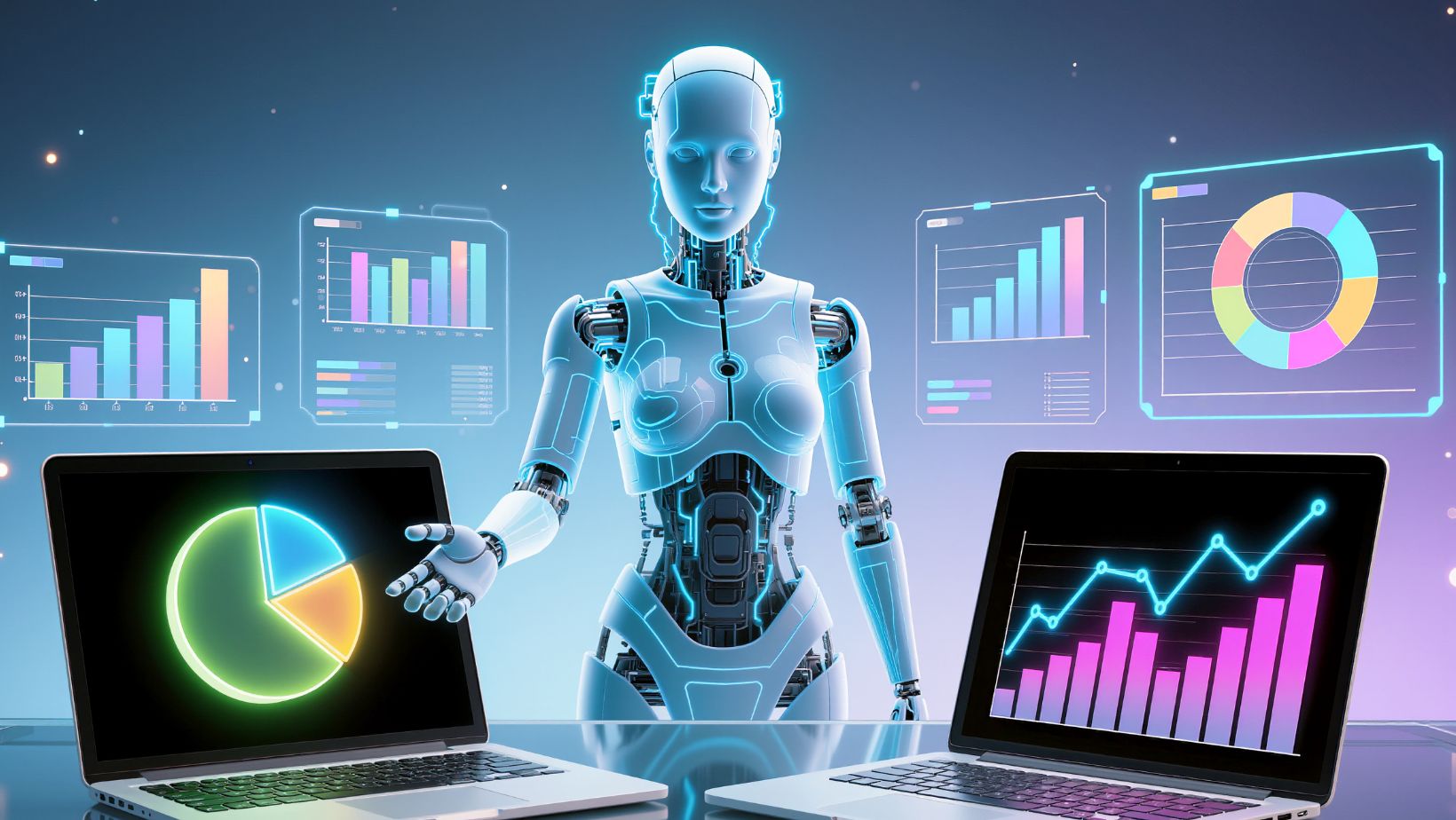
Artificial intelligence is now in practical use beyond research labs, deployed in settings like emergency rooms, administrative offices, and radiology departments. It is providing tangible solutions, such as algorithms that predict patient deterioration, software that automates documentation, and systems that detect abnormalities in medical images.
This isn’t science fiction. It’s happening right now, turning impossible workloads into something manageable. Let’s look at how.
The Rise of AI in Healthcare
The core job is learning from data, performing work that usually requires human intelligence. On-site, it integrates with hospital systems to process records and device outputs at high speed. Market forecasts show a climb to $187 billion in the next several years, with yearly growth exceeding 40%.
This isn’t speculative. It’s a response to concrete issues: staffing gaps, rising patient counts, and the move toward individualized care. Managing this shift effectively typically requires outside knowledge, leading many institutions to hire AI consultants for healthcare to create and execute practical plans.
A primary application for AI is improving administrative operations. Hospitals manage significant paperwork for tasks like appointment booking and insurance claim processing. AI-powered chatbots and virtual assistants manage common requests, allowing staff to focus on higher-priority work.
- Example: Natural language processing (NLP) systems can convert doctor-patient discussions into text automatically, populating EHRs without human data entry.
- Impact: This lowers mistake rates and improves efficiency—data indicates doctors can spend half their workday on records, a task load that AI can reduce.
Additionally, AI improves resource management. Predictive analytics tools examine past data to estimate future patient inflow, aiding hospitals in planning staff levels and bed usage.
- Example: During the COVID-19 pandemic, AI forecasting tools helped predict case increases, enabling hospitals to allocate ventilators and intensive care unit space proactively.
- Impact: These systems reduce operating expenses and help avoid workflow disruptions that can impact patient care.
Enhancing Diagnostic Accuracy and Speed
Diagnostic accuracy represents a fundamental challenge where computational models now demonstrate significant utility. Machine learning architectures, trained on expansive datasets of annotated medical imagery, identify pathological features with a speed and consistency unattainable through manual review alone.
The DeepMind mammography analysis system exemplifies this, achieving an 11.5% superior accuracy rate in breast cancer identification compared to human experts—a differential with profound clinical implications.
Precision oncology leverages similar principles. AI platforms aggregate and parse disparate data sources: genomic sequences, histopathology slides, longitudinal EHR data, and the entire corpus of published clinical research.
The output is a synthesized recommendation, a hypothesized optimal therapeutic pathway tailored to an individual’s disease phenotype. IBM Watson Health operationalizes this approach, aiming to reduce the noise in treatment decision-making.
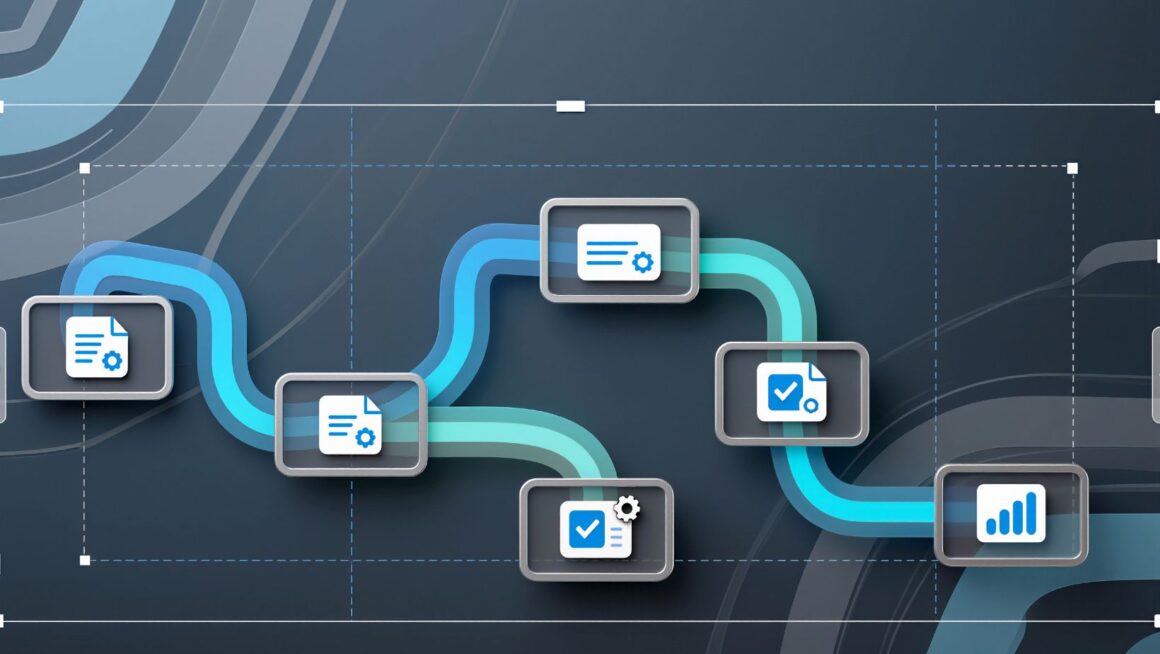
The utility extends to high-acuity environments. Algorithmic triage systems, often patient-facing via digital interfaces, apply weighted logic to reported symptoms to stratify risk and prioritize resource allocation.
Empirical data, such as the UC study citing a 30% reduction in emergency department wait times, validates the operational impact. Speed is the variable it optimizes. Outcomes improve.
Streamlining Operations and Reducing Costs
AI extends its impact well beyond diagnostic support, delivering measurable efficiency gains across hospital operations.
Supply Chain Optimization
Guesses what you’ll need so you don’t over-order. It typically cuts waste by 15–20%, freeing up capital that would otherwise be spent on expired materials.
Energy Management
Turns stuff off when nobody’s there. Seems simple, but for a huge building? The savings pile up fast on power and heating.
Predictive Maintenance
Catches machines before they konk out. Saves a fortune on emergency fixes and avoids the chaos of a scanner dying mid-shift.
Patient Flow Improvement
Software figures out bed shuffles and predicts discharges. Smoothes out the traffic jams. Nurses get back maybe an hour a day not spent walking.
Surgical Scheduling Accuracy
Uses old data to plan the OR day. Knows Dr. Smith is faster on appys than Dr. Jones. Less waiting, less overtime. Everybody wins.
Improving Patient Engagement and Remote Care
The hospital is just the beginning. AI now lives in everyday life—like the sentry on your wrist, detecting a faltering heartbeat or a fall, summoning help in seconds. That’s the shift: from reactive to proactive. Early results show readmissions down by 25%. Lives interrupted less.
Even telemedicine is reading between the pixels. On a call, AI can estimate heart rate, pick up stress cues. Afterward, a simple text reminder turns medication into a quiet dialogue, not a lecture.
But it goes deeper. Care plans become living documents, shaped by your genetics, your habits, your life. For an older adult, an AI helper might offer a steadying hand and conversation—fighting isolation, preserving independence. This isn’t cold automation. It’s support that fits. And when care fits, people engage. Health gets better. Just like that.
Challenges and the Road Ahead
There are clear obstacles to using AI effectively in healthcare. Protecting patient data is paramount and demands significant security investment. Furthermore, most hospitals operate on older IT systems, making new software integration difficult and expensive. The human element—training and acceptance—is another layer of complexity.
The risk of algorithmic bias is a profound concern. When AI is trained on non-representative data, its outputs may be unreliable or unfair for certain groups. Ongoing research is dedicated to improving data sourcing and developing fairness metrics.
The technology’s trajectory points toward wider use. Future applications may involve generative AI managing routine inquiries and edge devices enabling instant analysis.
Projections indicate automation could handle a large minority of standard healthcare workflows. This potential shift is less about replacing jobs and more about reallocating human expertise to where it matters most.
Conclusion
AI is transforming hospitals by tackling inefficiency and enhancing precision. From administration to diagnostics, its impact is significant. However, ethical deployment is non-negotiable for success. This technology empowers medical staff; it doesn’t remove them. Early adopters will lead the next era of healthcare.
About the Author