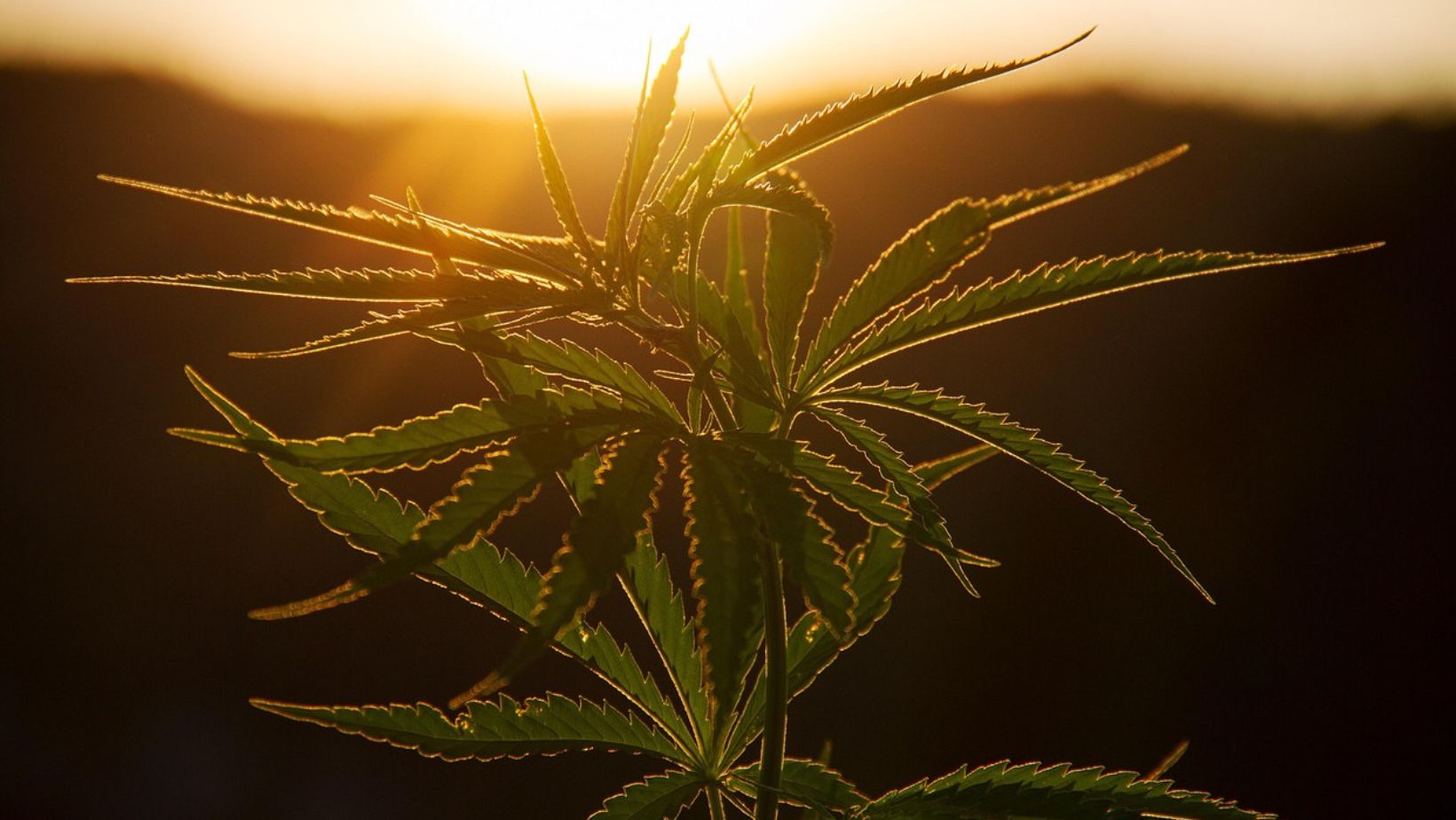
Many cannabis users think that sativa and indica have different impacts. But this technique of classifying things often makes it too easy to grasp how cannabis affects the mind and body. These classifications have helped us learn more about the plant’s characteristics, but the distinction between sativa and indica goes beyond just how they affect you. We learn more about these two main strains as more research is done on cannabis. The difference between sativa and indica is more complex than once thought.
What are Indica and Sativa?
Where It Comes From and What It Means
The terms “sativa” and “indica” originate from botanical studies. Each phrase stands for a plant that grows well in a given kind of place:
- Sativa plants thrived in warm, equatorial climes, and their tall, thin shapes let them absorb more sunlight over their long growing seasons.
- Indica, on the other hand, thrived in cooler regions and had shorter, denser forms that could live their whole lives in a shorter amount of time.
These basic differences in structure used to be the most important way to distinguish them apart. But as farming got better, crossbreeding made the lines less evident. Now we have hybrids that have features from both groups.
What Makes Sativa and Indica Different In Terms of the Body
Sativa and indica plants look different:
Sativa:
- Taller and with leaves that are thinner
- Flowers take longer to blossom
- They are usually good for outside situations because they are tall.
- Buds that are more open and spaced out
Indica:
- Plants that are shorter and more bushy
- Leaves that are longer and broader
- Faster cycles of blooming
- Because they are little, people often wish to grow them inside.
In the past, gardeners and breeders exploited these morphological differences to choose plants. But now that genetics are mixed in hybrids, these differences are less clear.
How Effects Have Been Traditionally Categorized
Impact of Sativa
In the past, people have said that sativas make them feel more awake and happy. People that smoke sativa strains often remark they feel more focused, creative, or social. Because of these effects, many generally recommend sativas for use throughout the day or when you need to be intellectually alert.
What Indica Does
Indicas, on the other hand, are often regarded to be more calming and relaxing. They are perfect for night use because they help people relax and sleep. Indicas are popular for relieving pain and anxiety since they tend to have a bigger effect on the body.
These definitions are a nice place to start, although the effects of sativa and indica can be highly different from each other depending on the strain’s chemical makeup, like how many cannabinoids and terpenes it has.
Why the Sativa/Indica Classification Isn’t Enough Anymore
What Cannabinoids and Terpenes Do
Scientists are learning more about cannabis, and it’s clear that the previous technique of classifying it based on how it appears and what it does isn’t enough. When you smoke cannabis, the cannabinoids and terpenes in each strain are what actually affect your body and mind.
- Cannabinoids like THC (tetrahydrocannabinol) and CBD (cannabidiol) have the most effects on the body. People know that THC makes them feel high, whereas CBD is excellent for calming and mending without making them feel high.
- Terpenes are the compounds in cannabis that smell good and have a huge effect on how a strain makes you feel. For example, limonene might help you feel better, and myrcene might help you relax more.
People commonly think of sativa strains as giving you energy and indica strains as making you feel relaxed, but these effects aren’t necessarily the same. They depend a lot on the chemicals in the plant, which can be highly varied even within the same group. This is why some people may find an indica calming and a sativa energizing.
Hybrids and the Current Cannabis Scene
Most of the cannabis you can buy these days is a blend of sativa and indica. Because of this mingling of genetic traits, modern strains are a mix of both sorts. The effects rely on the specific mix of cannabinoids and terpenes.
It’s important to remember that the previous classifications don’t necessarily tell you how someone will feel, especially with the rise of hybrid strains. Because this strain has a unique chemical makeup and a mix of sativa and indica genetics, any classification is more of a recommendation than a rule.
How to Choose the Right Cannabis for You
Instead of merely the distinction between sativa and indica, you should pay attention to the following aspects right now:
- The amounts of THC and CBD and other cannabinoids in the product
- Terpene profiles
- Findings from lab testing
- Personal experience and acceptance
These factors give you a better understanding of how a strain might affect you than just its name.
To Sum Up
People have traditionally used the difference between sativa and indica to understand cannabis, but further research and the rise of hybrids have shown that these categories don’t cover all the ways cannabis might influence you. You need to know what compounds are in the cannabis strain you want to buy, especially how many cannabinoids and terpenes it has. By looking into a strain’s profile instead of just its label, users can make smarter choices that are more in line with the effects they want.
About the Author