Varicose veins can feel like an unwelcome visitor, bringing discomfort and sometimes severe pain that interrupts our daily lives. But we don’t have to endure this any longer. With guidance from an Austin vein specialist, we can better understand what varicose veins are, recognize their symptoms early, and explore treatment options tailored to our needs.
In this text, we’ll investigate how varicose veins develop, what signs to watch for, and the lifestyle habits that can help manage discomfort. We’ll also break down the most effective modern treatments—from minimally invasive procedures to advanced techniques—that can help us reclaim our comfort, improve circulation, and finally say goodbye to vein-related pain. With the right knowledge and specialist support, relief is well within reach.
Understanding Varicose Veins
What Are Varicose Veins?
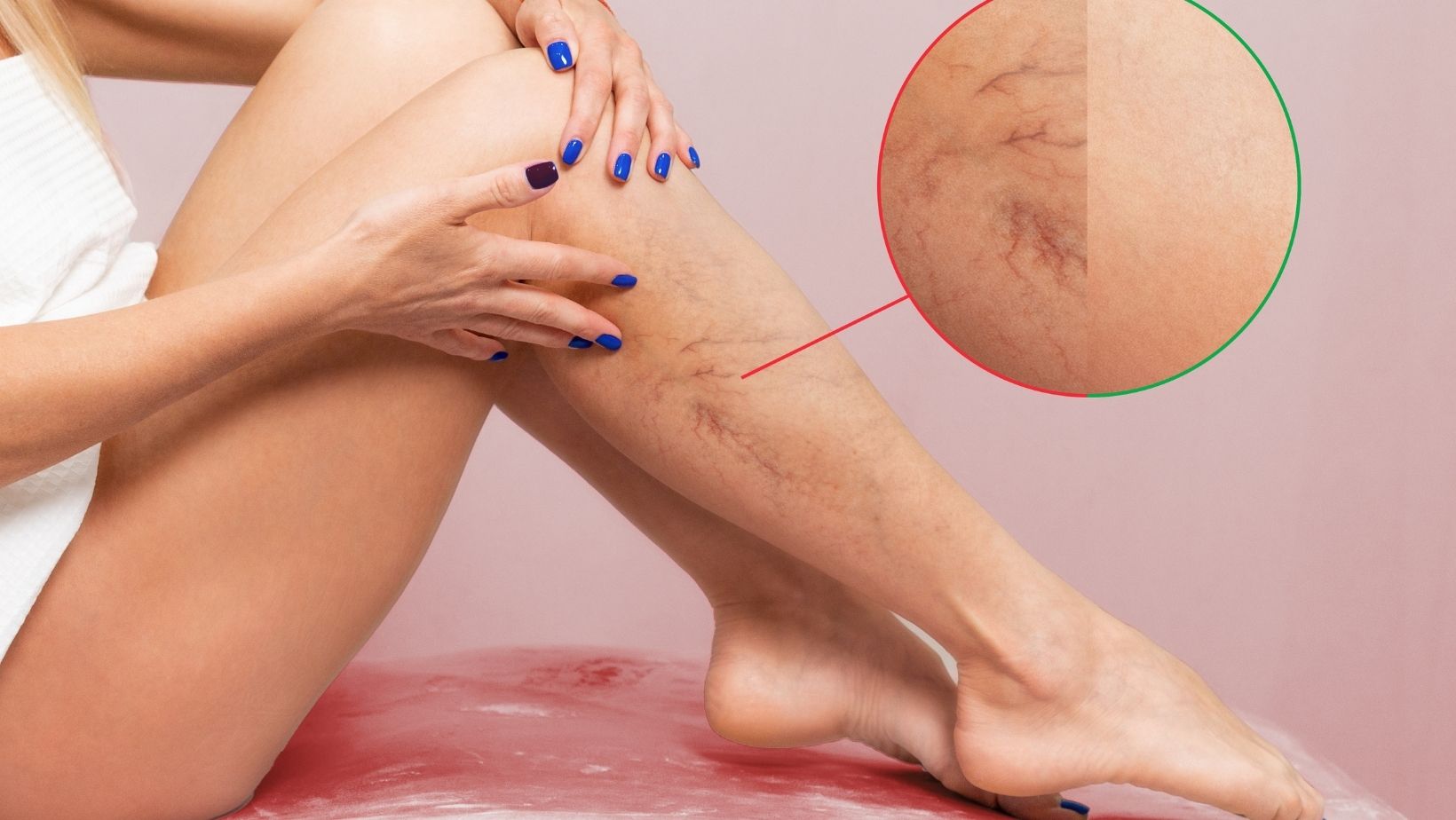
Varicose veins are enlarged, twisted veins that often appear blue or dark purple on the surface of the skin. Typically found in the legs, they occur when veins become weak or damaged, causing blood to pool instead of flowing smoothly back to the heart. About 23% of adults experience varicose veins at some point in their lives, making it a common condition.
Symptoms and Causes of Varicose Veins
Common symptoms of varicose veins include:
- Swelling in the legs and ankles
- Aching or heavy feeling in the legs
- Fatigue, particularly after long periods of sitting or standing
- Itching around the veins
While heredity plays a significant role in the development of varicose veins, other factors can contribute as well, such as age, pregnancy, and certain lifestyle choices. Understanding these symptoms and causes is our first step towards effective treatment.
The Impact of Varicose Veins on Quality of Life
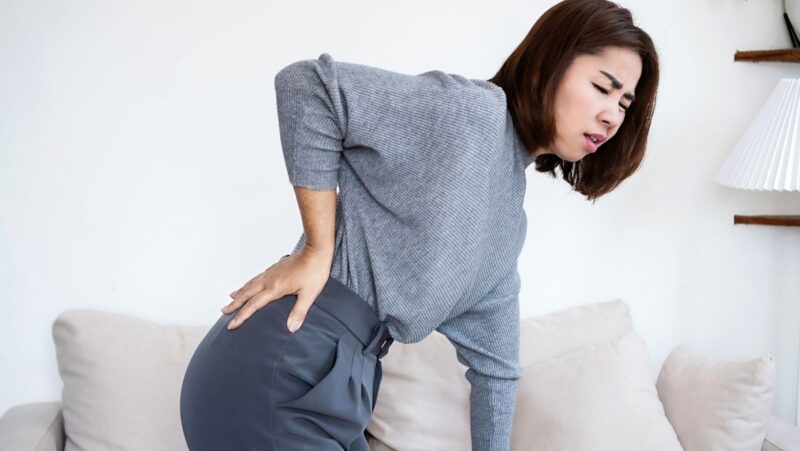
Living with varicose veins can profoundly impact our quality of life. The physical discomfort can make it difficult to engage in daily activities, such as exercising or even standing for extended periods. Beyond the physical symptoms, the aesthetic concerns associated with visible veins can also affect our self-esteem and body image. Many of us may find ourselves avoiding social events or situations where our legs would be exposed. Understanding these impacts can motivate us to take action towards finding the right treatment.
Common Varicose Vein Treatments
Lifestyle Changes and Home Remedies
Before considering medical interventions, we can start with some lifestyle adjustments and home remedies. Simple changes like elevating our legs, wearing compression stockings, and staying active can alleviate symptoms and slow down the progression of varicose veins. Maintaining a healthy diet rich in fiber can also help prevent constipation, which is a contributing factor.
Minimally Invasive Procedures
For those of us seeking more immediate relief, there are several minimally invasive procedures available. Techniques such as sclerotherapy, where a solution is injected into the vein, leading it to collapse and fade, offer effective results with relatively little downtime.
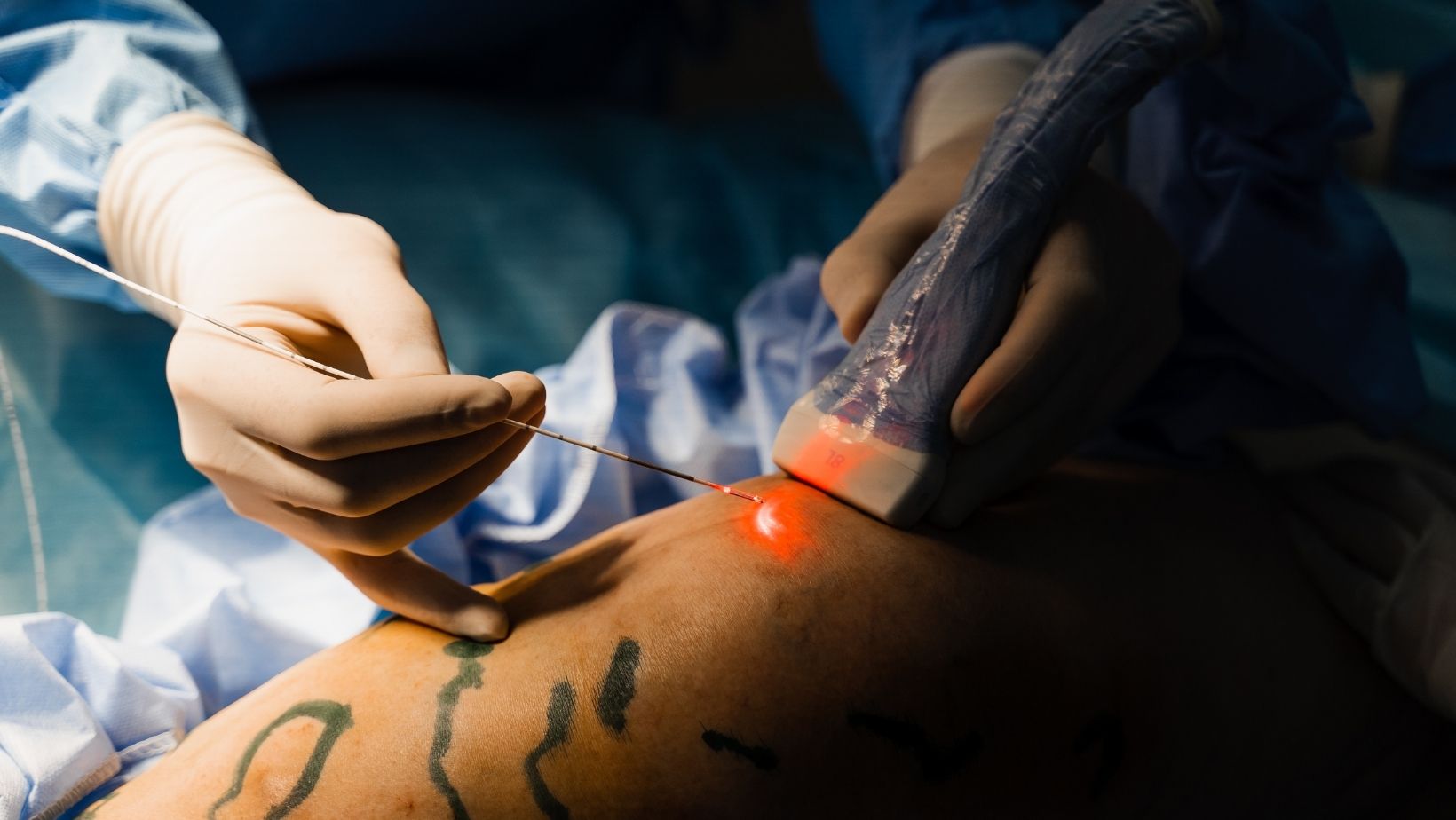
Another option is endovenous laser treatment (EVLT), which uses laser energy to close off varicose veins. These procedures generally require local anesthesia and can be performed in an outpatient setting, allowing us to return to our daily routines quickly.
Choosing the Right Treatment for You
Consultation and Diagnosis Process
Choosing the right treatment begins with a thorough consultation with a healthcare provider who specializes in vein health. During this process, they will assess our condition through a physical examination and may recommend an ultrasound to evaluate blood flow and the severity of the varicose veins.
Factors Influencing Treatment Decisions
Several factors influence the best treatment option for us, including the severity of our condition, our overall health, lifestyle, and personal preferences. Our healthcare provider will help us weigh the pros and cons of each treatment, ensuring we choose an approach that aligns with our goals and lifestyle.
Post-Treatment Care and Expectations
Long-Term Management of Varicose Veins
After treatment, many of us might feel a significant reduction in pain and discomfort. But it’s essential to remember that varicose veins can recur. Engaging in regular follow-ups with our healthcare provider and adopting healthy habits becomes crucial in managing our vein health.
Prevention Strategies to Avoid Recurrence
Prevention is key to avoiding the return of varicose veins. Continuing with lifestyle changes like regular exercise, maintaining a healthy weight, and using compression stockings when necessary can significantly help. The more proactive we are, the less likely we are to experience the pain and discomfort associated with varicose veins again.
Conclusion
Summarizing, saying goodbye to pain from varicose veins is within our reach. From understanding what they are to exploring various treatment options tailored to our needs, we can take charge of our health. Whether it’s making simple lifestyle adjustments, exploring minimally invasive procedures, or considering surgical options, effective treatments are available. By embracing proactive care and preventive strategies, we can reclaim our comfort and enjoy enhanced quality of life.
About the Author