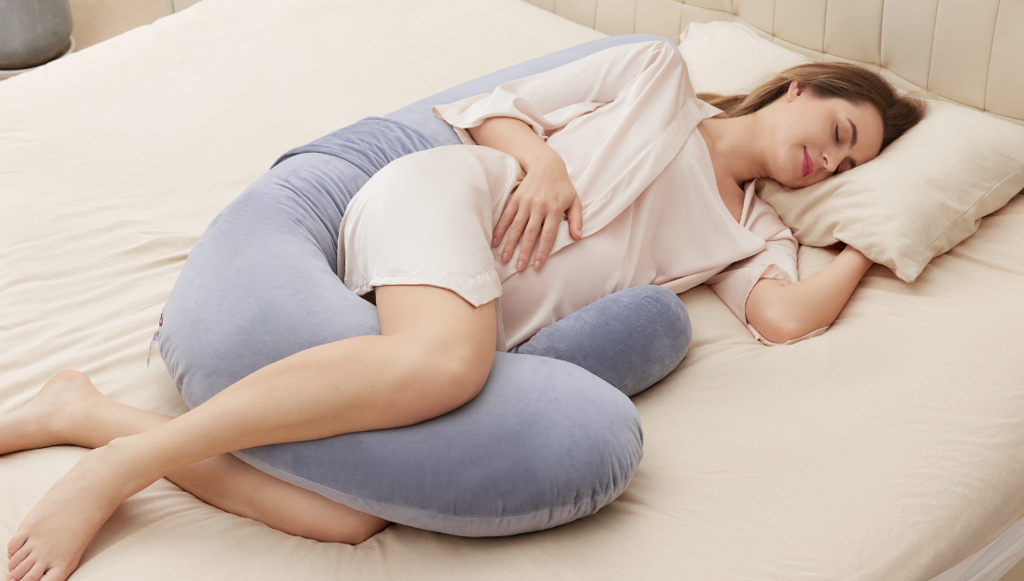
If you’ve been waking up sweating pregnancy nights away, you’re far from alone. Night sweats are one of the most common yet surprising symptoms expecting moms experience, especially during the first and third trimesters. These sudden temperature spikes can disrupt sleep and leave you feeling uncomfortable or worried, even when they’re perfectly normal.
Fortunately, small changes can make a big difference in nighttime comfort. Using supportive tools like a pregnancy wedge pillow can help regulate airflow and body temperature, making restless nights far more manageable. Understanding what’s happening inside your body is the first step toward finding relief.
The Role of Hormones: Why Pregnancy Causes Your Internal Thermostat to Fluctuate
Pregnancy hormones influence nearly every system in your body, and one of their most noticeable effects is temperature regulation. Rising levels of progesterone and estrogen stimulate your internal thermostat, making your body feel warmer than usual. This hormonal shift triggers sweating as your body attempts to cool down during the night.
Because these hormone levels fluctuate throughout pregnancy, some nights may feel hotter than others. You may wake up drenched one night and feel perfectly comfortable the next. This inconsistency is completely normal, though it can be frustrating for moms who simply want a good night’s sleep.
Increased Blood Volume: How More Blood Flow Contributes to Night Sweats
Your body produces up to 50% more blood during pregnancy to nourish your growing baby. While this increase is essential, it also creates more internal heat. As your blood vessels expand and your circulation quickens, your core temperature naturally rises.
This internal warmth often becomes most noticeable at night when you’re lying still. The extra blood volume combined with the weight of blankets or a warm bedroom can lead to excessive sweating. It’s your body’s way of maintaining a safe, stable temperature.
Metabolism on Overdrive: The Body Working Harder and Generating More Heat
Pregnancy is one of the most energy-intensive phases of life. Your metabolism works in high gear to support the development of the placenta, amniotic fluid, and your baby’s rapidly growing organs. This increased metabolic activity produces more heat, which contributes to nighttime sweating.
Even simple daily activities burn more energy when you’re pregnant, so your body continues working overtime while you sleep. This can create long-lasting warmth that lingers through the night, especially during the early hours of deep sleep.
Distinguishing Normal Night Sweats from Potential Underlying Issues
Although waking up sweating pregnancy symptoms are usually harmless, it’s still important to recognize when sweating might indicate something more. Most night sweats are just a sign of hormonal and metabolic changes, but a few symptoms warrant closer attention.
Night sweats are generally normal if they:
-
Occur occasionally
-
Follow a warm day or evening
-
Improve with cooler sleeping conditions
-
Are not accompanied by fever or chills
Contact your healthcare provider if night sweats come with:
-
Persistent fever
-
Vomiting or diarrhea
-
A sudden increase in sweating without explanation
-
Dizziness or rapid heartbeat
-
Signs of infection
-
Excessive thirst or dehydration
Conditions like thyroid imbalances, gestational diabetes, or infections may cause excessive sweating. While uncommon, they should be ruled out when symptoms feel severe or unusual for your body.
Effective Cooling Strategies: Tips for Managing Temperature Before Bed
When night sweats start affecting your sleep, a few simple adjustments can help you stay more comfortable. These changes help your body maintain a stable temperature, reducing the frequency and intensity of sweating episodes.
Try these effective cooling strategies:
-
Lower your bedroom temperature to 18–21°C (65–70°F)
-
Use a fan for gentle air circulation
-
Drink cool water before bed
-
Take a lukewarm shower to help your body relax
-
Avoid heavy meals, hot drinks, or spicy foods before sleeping
-
Keep a cool mist humidifier by your bed
Even small cooling habits can help your body feel more refreshed and less overheated during the night.
Optimizing Your Sleepwear and Bedding: Fabrics That Promote Breathability
Your clothing and bedding play a major role in nighttime temperature control. Choosing breathable fabrics helps your skin release heat naturally without trapping moisture.
Best fabrics for sleepwear and bedding:
-
Cotton
-
Bamboo
-
Linen
-
Moisture-wicking athletic fabrics
Avoid synthetic materials like nylon or polyester, which trap heat and make sweating worse. Lightweight blankets, breathable sheets, and temperature-regulating pillows can also dramatically improve comfort.
Using a pregnancy wedge pillow is especially helpful because it elevates your upper body and allows better airflow, reducing heat buildup around your belly and chest.
Hydration and Diet: Lifestyle Adjustments to Minimize Sweating Episodes
What you eat and drink throughout the day can influence how much you sweat at night. Staying hydrated helps regulate your body temperature, while certain foods can either calm or intensify sweating.
Helpful changes include:
-
Drinking water consistently throughout the day
-
Limiting caffeine and sugary drinks
-
Reducing spicy food intake
-
Eating smaller, more frequent meals
-
Choosing hydrating foods like fruits and vegetables
Proper hydration helps your body cool down more efficiently and prevents sweating from becoming excessive or uncomfortable.
When to Consult Your Doctor: Persistent or Severe Sweating as a Sign for Concern
While most pregnancy-related night sweats are harmless, some situations require professional attention. It’s important to listen to your body and recognize when something feels off.
Speak with your doctor if you experience:
-
Night sweats that appear suddenly or worsen quickly
-
Sweating that disrupts your sleep every night
-
Sweats accompanied by fever or chills
-
Rapid weight changes
-
Dizziness or fatigue that feels extreme
-
Any signs of illness or infection
Your doctor can evaluate potential causes and ensure that your symptoms are within normal pregnancy changes.
Conclusion
Waking up sweating during pregnancy is extremely common, and in most cases, it’s simply your body adjusting to hormonal shifts, increased blood volume, and a faster metabolism. While these temperature swings can be frustrating, they are usually harmless and temporary.
With the right sleep environment, cooling strategies, breathable fabrics, and supportive tools like a pregnancy wedge pillow, you can significantly reduce discomfort and enjoy more restful nights. Understanding what’s happening inside your body helps you stay calm, comfortable, and confident throughout every stage of pregnancy.
About the Author