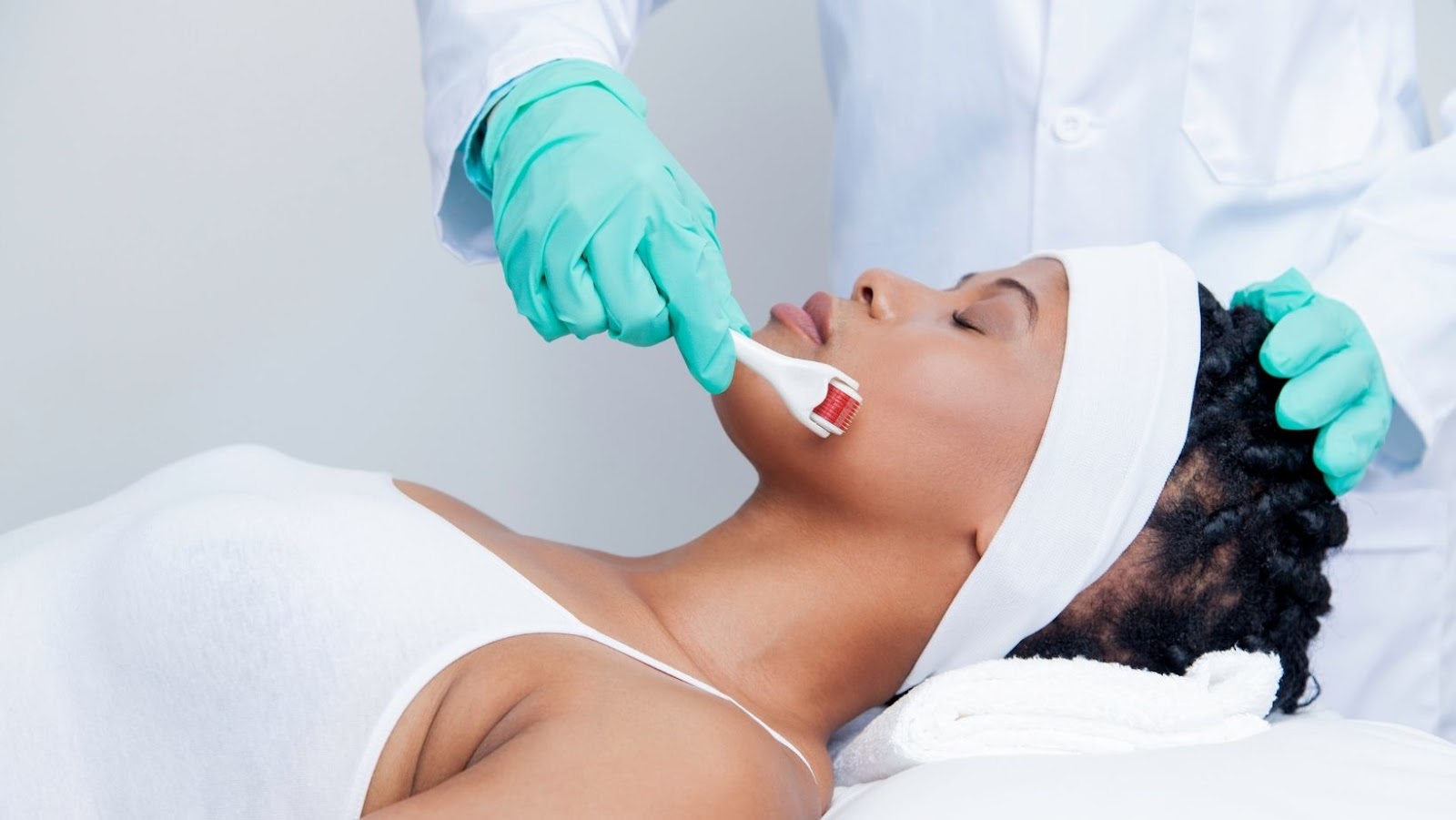
Microneedling is a beauty treatment that uses tiny needles to inflict microscopic wounds on the skin. The purpose of these wounds is to stimulate the body’s natural healing process, which effectively repairs damaged skin and promotes collagen production. Microneedling can be used as a treatment for wrinkles, acne scars, and other skin issues.
Microneedling how often
However, it is important to note that microneedling should only be done by professionals at a reputable medical location. Additionally, the frequency of treatments should be determined by each individual’s needs and should be tailored accordingly by an experienced practitioner. In this article, we will discuss what precautions need to be taken when determining how often someone should get microneedling.
- Consult a professional at a reputable medical location when considering microneedling treatments
- Frequency of treatments should be determined by individual needs and tailored by an experienced practitioner
- Take precautions when determining how often someone should get microneedling
What is Microneedling?
Microneedling is a cosmetic procedure that creates tiny punctures in the skin to help encourage collagen production, resulting in firmer and smoother looking skin over time. During the procedure, a handheld device is used to create many microscopic holes in the skin’s surface. The wounds created by the device stimulate collagen production in your body’s natural healing process which helps in replenishing and reviving your skin. While microneedling can be used to treat various conditions such as acne scars, wrinkles, dark spots, stretch marks and more, it’s important to consult with a dermatologist prior to proceeding with this treatment.
The frequency of microneedling sessions depends on several factors such as age, type of skin and area of treatment. Generally speaking, younger people may benefit most from treatments done every few weeks whereas adults may only need 1-2 treatments per year. The typical length between sessions is 4-6 weeks for mild cases whereas deeper treatments will take longer time intervals (such as 8-12 weeks). It can take several sessions for you to witness noticeable changes – your doctor will be able to advise you on which schedule works best for your individual needs.
- Younger people: Treatments every few weeks
- Adults: 1-2 treatments per year
- Mild cases: 4-6 weeks between sessions
- Deeper treatments: 8-12 weeks between sessions
Most importantly – if you experience any irritation or allergies post-treatment ensure that you consult with your doctor right away!

Benefits of Microneedling
Microneedling is a minimally invasive procedure that uses tiny needles to create microscopic punctures in the skin. This stimulation and controlled injury helps improve the appearance of wrinkles, fine lines and skin texture. When combined with soothing topical products, such as vitamins and growth factors, patients can enjoy improved tone and deep hydration. Microneedling can also reduce the appearance of acne scars and stretch marks, which makes it popular among many consumers.
The benefits of microneedling are not limited to the face; it can also be used on the neck, jaw line, chest and back to help reduce various signs of ageing. It is typically repeated every four to six weeks for optimal results. However, due to individual variability in skin type and response, your healthcare provider should advise you as to how often you should get microneedling treatments based on their assessment of your particular needs. Depending on your skin health goals and individual response to treatments, sessions may be spaced out further or more frequently if recommended by a medical professional. Additionally, microneedling should not be done if you are pregnant or breast-feeding or if you have severe active irritation such as open lesions or rashes on the intended treatment area.
How Often Should You Get Microneedling?
Microneedling is an increasingly popular skin care treatment that can be used to reduce the appearance of wrinkles, acne scars, and other skin blemishes. It involves using tiny needles to create tiny punctures in the skin, which stimulates the production of collagen. The results can be quite impressive, but how often should you get a microneedling treatment? This article will go through the necessary precautions to take when considering a microneedling treatment, and how often it should be done.
- Take the necessary precautions before considering a microneedling treatment.
- Understand how often microneedling treatments should be done.
Frequency of Microneedling Sessions
There is no clear consensus on how often you should get microneedling. Generally, it is recommended to get a series of four to six treatments with gaps of at least four to six weeks between each session for optimal results. The number of sessions will vary for everyone depending on your needs, but the spacing should remain consistent regardless of the amount of treatments that are necessary.
Prior to starting microneedling, a thorough skin evaluation by your aesthetic practitioner is recommended in order to determine the best treatment plan for your individual skin type and goals. During this evaluation, your practitioner will recommend either a series of treatments or a single treatment tailored to meet your needs.
When getting more than one microneedling session, it is important to follow up with maintenance treatments every three to four months in order to maintain optimal results, as well as creating healthier habits such as:
- Proper skincare
- Sunscreen use
- Avoiding smoking and excessive sun exposure
Additionally, hydration and moisturising are essential before and after each session in order to maximise the results of microneedling and protect the skin from irritation.
Factors to Consider When Determining How Often to Get Microneedling
Microneedling is a cosmetic procedure that involves puncturing or pricking the skin with tiny, disposable needles. The purpose of microneedling is to stimulate skin cell turnover and create tiny micro-injuries on the skin surface to promote the growth of new collagen. When done in a professional setting with a qualified aesthetician, microneedling can give you smooth and glowing skin.
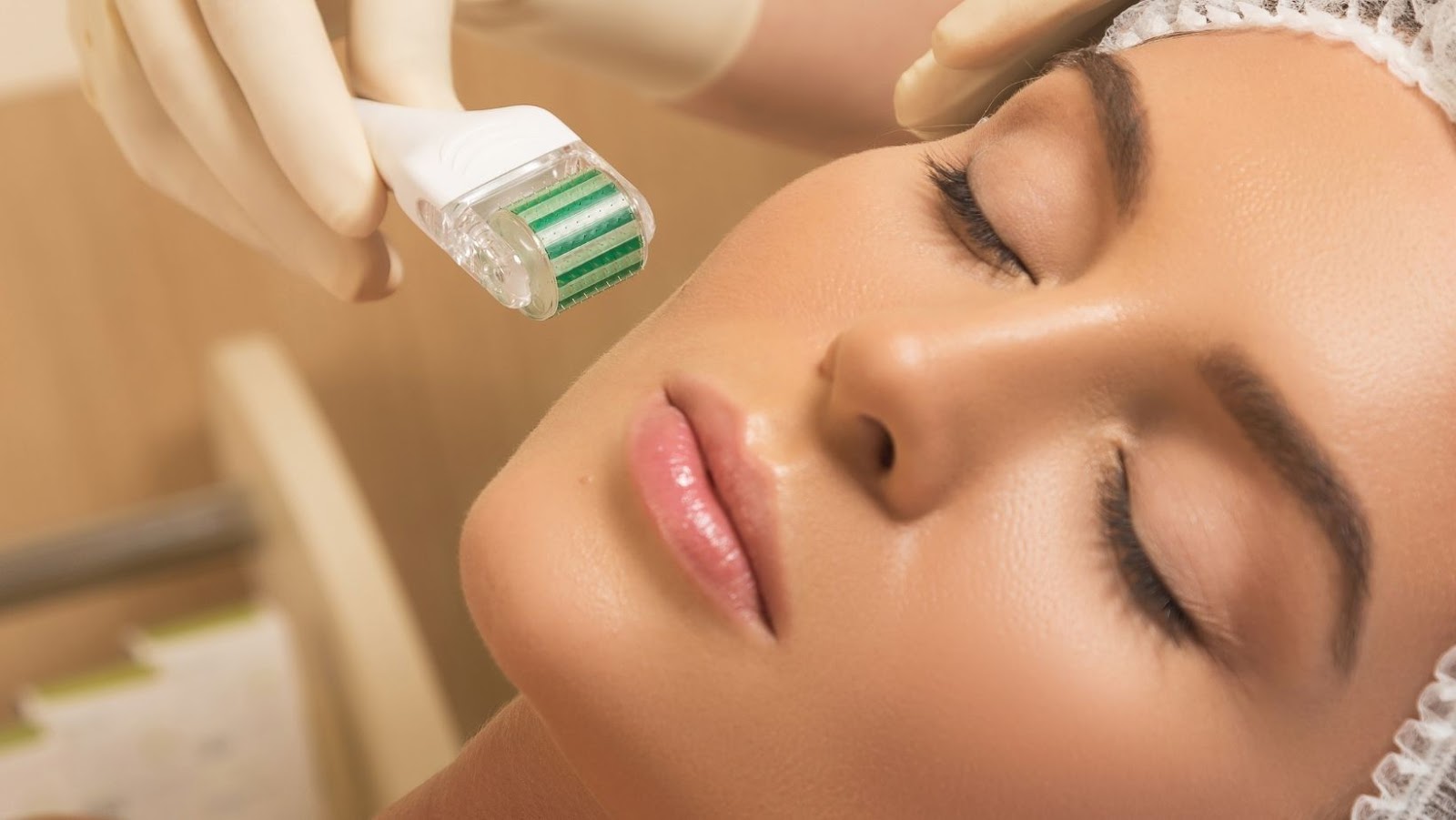
When it comes to determining how often you should get microneedling, there are several factors to consider. For instance, you will want to think about the type of condition you are trying to treat and determine if more frequent treatments will be necessary for better improvements, as well as what your end goal is for your skin care routine.
The first factor that will determine how often you should get microneedling is your overall goals for treatment and desired outcomes. If your goal is to reduce fine lines, then multiple treatments may be necessary depending on the severity of the wrinkles. However, if you’re just looking for a brighter and smoother skin tone, then one or two treatments may be enough. Your aesthetician can give more specific instructions depending on what results you desire from microneedling and your individual needs.
- Age and lifestyle habits, such as smoking or drinking alcohol in excess
- Medical conditions or medications
Other factors that can influence how often you need microneedling include age and lifestyle habits, such as smoking or drinking alcohol in excess. Older patients tend to need more frequent treatments than younger patients due to their decreased collagen production over time; smokers also tend to require more frequent treatments since smoking affects tissue repair and collagen production within the body itself. On top of this, other lifestyle habits can also influence how often you get microneedling since they affect healing times; heavy drinkers tend to require slightly less frequent appointments due to slower healing times associated with excess alcohol intake.
Additionally, some medical conditions or medications may also play a role in deterring how frequently microneedling should be performed; if this applies to your situation it’s best discussed between yourself and your aesthetician at each session so they work out what would be most beneficial for achieving desired results whilst still being mindful of any health concerns associated with certain chronic illnesses or medications used at present time.
Ultimately when considering getting this procedure it’s important to understand that each person’s body responds differently so having a plan tailored specifically for yourself according based off different individual characteristics is key for obtaining successful results from sessions done in frequent intervals tailored specifically towards one’s specific goals & needs regarding their personal skincare routine using this treatment.
Precautions to Take Before and After Microneedling
Microneedling is a popular treatment that can help to reduce the appearance of scars, wrinkles, and other skin imperfections. It is important to take certain precautions before and after a microneedling treatment in order to minimise any potential risks. In this article, we will discuss some of the key precautions that you should take before and after your microneedling treatment:
- Avoid sun exposure for at least one week before the treatment.
- Cleanse and exfoliate the skin thoroughly the day before.
- Avoid using any topical products that contain acids, retinols, or other harsh ingredients for at least one week prior to the treatment.
After the treatment, it is important to:
- Avoid sun exposure for at least two weeks.
- Cleanse and moisturise the skin every day.
- Avoid using any topical products that contain acids, retinols, or other harsh ingredients for at least two weeks.
- Avoid strenuous activities and hot showers for at least one week.
Pre-Treatment Preparation
Before microneedling, it is important to have a plan of action in place to ensure the best results. Patients should start the preparation process four weeks before their treatment session by discussing the procedure with their doctor and asking any questions they may have.
Most physicians will advise that patients follow certain lifestyle changes during this pre-treatment period including:
- Avoiding sun exposure
- Not using any topical medications
- Discontinuing use of products like Retin-A or alpha hydroxy acids
- Avoiding cycles of mint and cinnamon
Additionally, be sure to tell your doctor if you are taking any medication for acne or if you have ever had cold sores before your appointment to make sure appropriate precautions can be taken.
Lastly, make sure to eat a healthy diet prior to the procedure. Having ample critical nutrients from vegetables and fruit helps skin regenerate and heal more quickly which will result in better overall results from microneedling treatments.

Post-Treatment Care
It is important to follow all post-care instructions provided by your dermatologist after your microneedling treatment. To maximise results, you should:
- Cleanse the treated area with a gentle cleanser and warm water twice a day.
- Apply SPF of at least 30 for one week after treatment and continue to wear sunscreen even on cloudy days.
- Avoid touching or scratching the area as much as possible.
- Avoid activities that cause heavy sweating for 72 hours.
- Do not soak in a bath, swimming pool, sauna or Jacuzzi for 48 hours after treatment.
- Do not shave or use any products containing harsh chemicals (exfoliants, acne medicine etc.) over the treated site for 24-48 hours following the procedure.
- Avoid direct sunlight, unnecessary exposure to heat and extreme cold until any redness has dissipated completely (this may take up to 7 days). Even then, continue to use sunscreen with SPF 30 when outdoors and make sure you’re wearing a hat if you’ll be out in the sun for an extended period of time.
- If swelling persists more than 48 hours afterwards, apply ice packs (not direct contact).
Conclusion
Ultimately, the frequency of microneedling treatments is based on your skin’s condition and what you’re trying to achieve. When done correctly, microneedling can be a safe and effective way to treat wrinkles and acne scars as well as promote collagen production. However, it’s important to remember that the procedure should not be done excessively or without the supervision of a medical professional.
After each treatment, your skin needs some time to recover and continue responding positively to the deeper microneedling regimens. It’s best to speak with your doctor or dermatologist directly about an appropriate schedule for each treatment that fits their assessment of your condition and individual needs:
- Skin condition
- Goals
- Excessive treatments
- Recovery time needed
About the Author